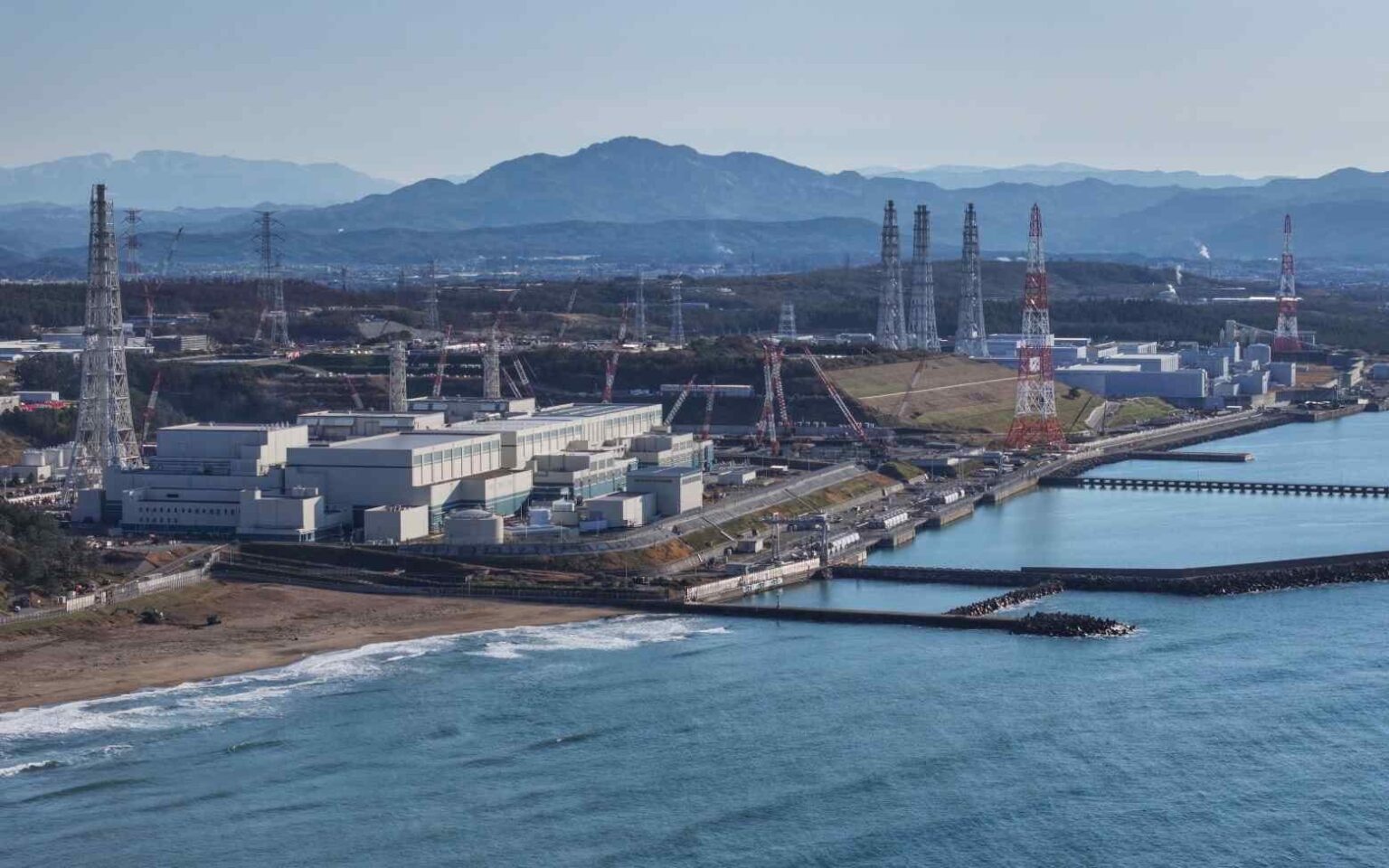
NIIGATA (TDI): Japan is prepared to restart the Kashiwazaki-Kariwa nuclear power plant on Monday, December 22, 2025. Located 220 km northwest of Tokyo, this facility was among 54 reactors closed after the 2011 earthquake and tsunami caused the Fukushima disaster.
This marks the first time a plant has been run by TEPCO (Tokyo Electric Power Company), the company that managed the Fukushima site, since the accident.
The decision follows a vote by the Niigata region, marking a significant step in Japan’s return to nuclear energy. So far, Japan has restarted 14 of its 33 operable reactors to reduce its reliance on imported fossil fuels.
Prime Minister Sanae Takaichi supports the initiative to improve energy security and lower the cost of imported fuels, which provide 60% to 70% of Japan’s power.
Despite having a smaller population, Japan’s energy needs are increasing due to the growth of AI data centers. The government aims for nuclear power to reach 20% of the energy mix by 2040. Experts believe public acceptance is a major milestone for these goals.
The announcement led to immediate protests from local residents. Around 300 people, mostly elderly, gathered at the Niigata prefecture assembly with banners reading “No Nukes” and “Support Fukushima.”
TEPCO spokesperson Masakatsu Takata stated that the company is dedicated to safety and preventing another accident, though he did not confirm the exact restart timing. Public trust remains low in the area.
TEPCO pledged 100 billion yen ($641 million) to the prefecture over the next 10 years to gain support, but an October 2025 survey showed that 60% of residents believe the conditions for a restart are not met.
Additionally, 70% are worried about TEPCO’s management. One protester, Ayako Oga, who fled the Fukushima zone in 2011, said she still struggles with trauma and views the restart as a threat. She expressed her hope that no one else ever suffers from a nuclear disaster. Stating that “As a victim of the Fukushima nuclear accident, I wish that no one, whether in Japan or anywhere in the world, ever again suffers the damage of a nuclear accident,”
According to NHK (Nippon Hoso Kyokai) Japan’s Broadcasting Corporation, TEPCO may reactivate the first of seven reactors on January 20, 2026, if final approvals are granted.