
Bosnia and Herzegovina has partnered with the International Atomic Energy Agency (IAEA) to advance paediatric radiation protection at six hospitals.
The initiative aims to optimise safety standards for children undergoing diagnostic imaging procedures using ionising radiation.
IAEA provides assistance to countries in minimising unnecessary radiation exposure for patients, while ensuring diagnostic images remain effective and treatments deliver the required dose.
Working with the IAEA, Bosnia and Herzegovina is developing diagnostic reference levels. These standards help determine suitable radiation doses for children during diagnostic imaging, ensuring exposures are kept safe and appropriate. The collected data will help optimise paediatric radiology practices.
Diagnostic radiology uses radiation to create internal images, assisting healthcare professionals in determining appropriate treatments. Applying adult imaging protocols to children is unsuitable, as factors such as age and weight must be considered to calculate accurate doses for paediatric patients.
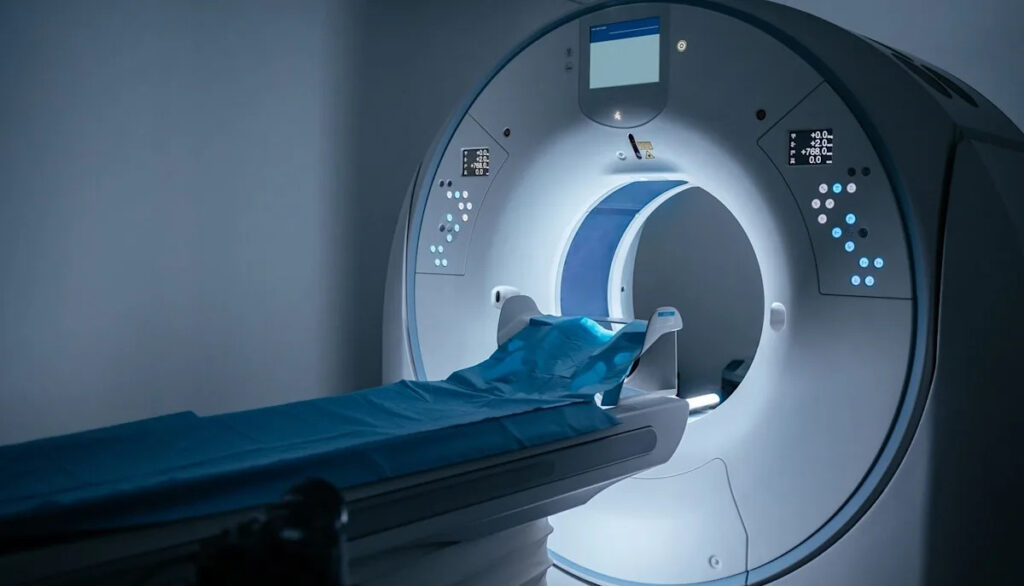
Supported by the IAEA technical cooperation programme, six hospitals have begun using dose tracking systems and conducting surveys of radiation doses in paediatric CT scans.
Bosnia and Herzegovina will now be able to rely on national data rather than general international studies, thereby increasing the relevance and precision of their protocols.
As part of the project, medical staff conducted assessments with phantoms, which are objects intended to simulate human tissue. New head and anthropomorphic phantoms were produced with a 3D printer to accurately reflect the size and shape of children.
IAEA Europe technical cooperation division for Europe and Central Asia director Jing Zhang said: “Protecting children from unnecessary radiation exposure is a priority for the IAEA and its Member States. Through technical cooperation, we help countries build the expertise needed to implement safe, optimized imaging practices.
“Bosnia and Herzegovina’s commitment to paediatric radiation protection sets an important example of how national priorities, combined with international support, can lead to lasting improvements in patient safety, especially for paediatric patients who require tailored approaches.”
“Bosnia and Herzegovina partners with IAEA for paediatric radiation protection” was originally created and published by Hospital Management, a GlobalData owned brand.
The information on this site has been included in good faith for general informational purposes only. It is not intended to amount to advice on which you should rely, and we give no representation, warranty or guarantee, whether express or implied as to its accuracy or completeness. You must obtain professional or specialist advice before taking, or refraining from, any action on the basis of the content on our site.