
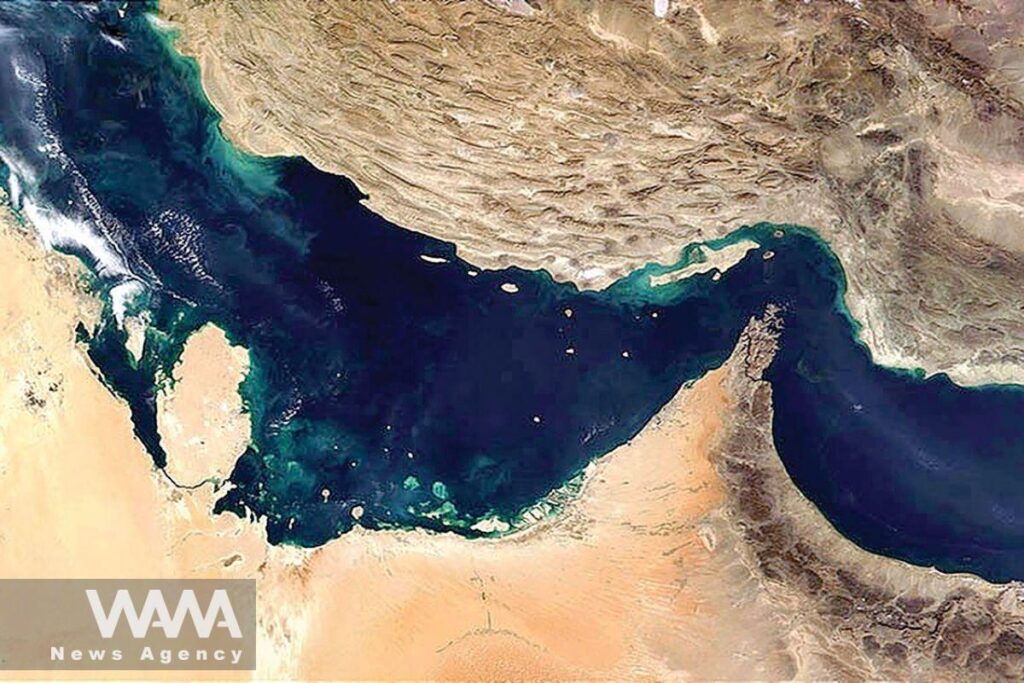
WANA (Dec 24) – Iranian researchers have successfully implemented an environmental monitoring system for the Persian Gulf using biological indicators to identify the most suitable locations for installing fish farming cages and to monitor marine environmental pollutants.
Mostafa Asadi-Far, CEO of a technology-based company based at the Science and Technology Park of the University of Tehran, announced the development of a novel and cost-effective method for environmental monitoring of Iran’s seas using single-celled benthic marine organisms.
He explained that the method is based on the high sensitivity of foraminifera to changes in oxygen levels and environmental pollution. This approach can be effectively used for sustainable management of fish cage site selection, monitoring, and assessment of marine pollutants, and preventing potential environmental damage.
Asadi-Far noted that the company focuses on “environmental monitoring through the use of biological indicators.” The organisms used in this method are benthic marine foraminifera, which respond sharply to oxygen depletion and unfavorable environmental conditions, making them reliable indicators of marine ecosystem health.
Mechanism and Competitive Advantage
Highlighting the key advantage of the method, Asadi-Far said these organisms are widely available across marine environments. Sediment samples are collected from the seabed using sediment traps at specific spatial and temporal intervals around fish farming cages or other study sites.
After laboratory analysis and separation, live and dead organisms are combined using a specialized method, and their survival rate is calculated as the primary indicator of pollution levels in the area.
Sampling is conducted across different locations and time periods, taking into account water current direction and speed, allowing researchers to accurately estimate pollution dispersion patterns.
Practical Application in Fish Farming Management
Asadi-Far pointed to fish cage management as a key practical application of the technology, particularly for optimal site selection of fish farming cages in the Persian Gulf.
He said this monitoring approach not only prevents long-term environmental damage but also helps fish farmers choose locations that ensure sustainable economic returns over time. Improper cage placement can harm the environment and eventually lead to reduced product quality and quantity.
He added that seas are constantly exposed to pollution from oil products as well as industrial and urban wastewater, and Iran’s marine waters are no exception. By using this monitoring method alongside flow modeling and simulation, it is possible to predict the direction, speed, and source of pollutant spread and to propose preventive measures to mitigate future impacts.
Cost and Time Efficiency
Comparing the method with conventional monitoring techniques, Asadi-Far emphasized its main advantages: cost-effectiveness, speed, ease of sampling, and the ready availability of required samples. Traditional methods are often time-consuming and expensive, whereas the biological indicators used in this approach are abundant in marine environments and do not require costly laboratory tests.
Challenges and Call for Support
Referring to the company’s early-stage status, Asadi-Far identified market entry and building trust with major public and private institutions as the main challenges ahead.
He noted that for small and emerging companies, introducing technologies and securing contracts with organizations such as the Ministry of Agriculture Jihad, the Department of Environment, the Iran Fisheries Organization, provincial authorities, or major aquaculture companies is a lengthy and difficult process.
He stressed that any form of support or facilitation in establishing connections with these institutions could significantly accelerate the deployment of this technology and contribute to environmental protection.
The technology developed by this Iranian company represents a practical application of native biological indicators to address both environmental and economic challenges in the Persian Gulf. Its success could serve as a model for monitoring other aquatic ecosystems across the country.
