
Swiss municipal employees to be trained in the recognition of forged foreign passports; centre-right parties are divided over the neutrality initiative; and more news in our roundup this Wednesday.
Municipalities are not efficient in verifying foreign identity documents
A foreign national applying for a permit in Switzerland must present a passport or an identity card at their municipality of residence.
Forged passports – virtually indistinguishable from genuine documents – are repeatedly presented, but local administration employees are not trained in detection techniques and often unfamiliar with the security features of passports from other countries.
To remedy this situation, the Association of Swiss Residents’ Services is planning a major training course, so that municipal employees throughout the country can recognise forged passports and react appropriately.
Centre-right parties are divided over the neutrality initiative
An initiative called “Safeguarding Swiss Neutrality,” instigated by the Pro Suisse group as well as the Swiss People’s Party (SVP), seeks to enshrine ‘perpetual and armed neutrality’ in the Constitution.
It calls for a near-total ban on Switzerland’s participation in international sanctions. Disagreeing with this provision, the Council of States has countered it with a direct counter-proposal, sponsored by the Centre Party.
However, the Swiss Security Alliance, which brings together elected officials from the SVP and the Liberal-Radical Party (FDP), did not participate in the consultation process and considers the “intentional vagueness” of the counter-proposal “problematic.”
Advertisement
Franc to remain strong in 2026
In the new year, Switzerland’s national currency will remain stable and strong.
The reason, according to currency market experts, is that the franc’s fundamental pillars are political stability, high current account surpluses, low debt, a strong economy with high innovation capacity, as well a very low inflation rate.
That is why the Swiss currency will continue to be seen as a safe haven, economists say.
Advertisement
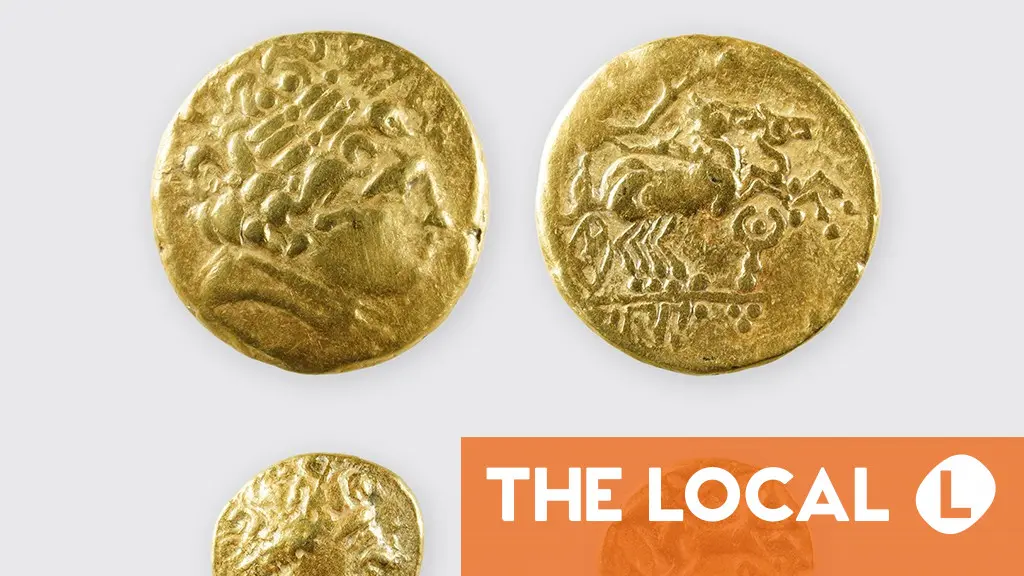
Switzerland’s ‘oldest coins’ found near a bog
Two volunteers from the Basel-Country’s Archaeology Department have discovered two Celtic gold coins in a wooded area near Arisdorf.
They date from approximately the middle and second half of the 3rd century BC, making them among the oldest Celtic coins ever found in Switzerland.
Experts believe they were offerings to the gods.
Due to the rarity of the two gold coins, the Basel-Country archeologists and the Historical Museum of Basel decided to include them into the ongoing exhibition called “Treasure Finds,” to be put n display from March in a special showcase in the Barfüsserkirche in Basel.
If you have any questions about life in Switzerland, ideas for articles or news tips for The Local, please get in touch with us at news@thelocal.ch