
TL;DR
- Sticky Records is Iceland’s only pro-bono record label, offering artists full support without contracts or master ownership.
- The label is funded by Prikið, one of Reykjavík’s oldest and most iconic bars.
- Artists retain 100% ownership of their music, with no recoupment, fees, or obligations.
- Sticky Records operates on a simple philosophy: no bullshit, no overheads, no barriers.
What Is Sticky Records and Why Is It Different?
Sticky Records is an independent Icelandic record label operating on a model that directly challenges traditional music industry norms. Unlike conventional labels, Sticky Records functions entirely pro-bono, meaning it does not charge artists, does not sign contracts, and does not claim ownership of master recordings.
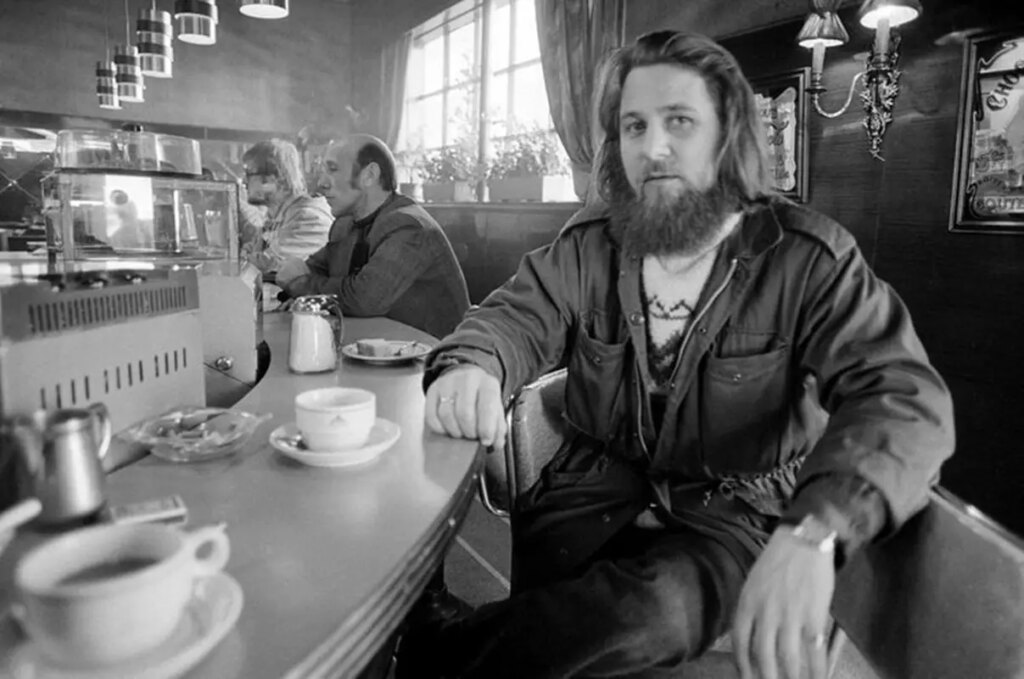
The label was co-founded by Geoffrey Þór Huntington Williams, who also manages Prikið, a long-standing Reykjavík café and nightlife institution. Sticky Records grew organically out of Prikið’s role as a cultural hub for local musicians, DJs, and artists.
Rather than extracting value from artists, Sticky Records exists to help musicians finish projects, release music, and reach audiences — then step out of the way.
How Does the Pro-Bono, No-Masters Policy Work?
Sticky Records does not operate like a traditional label. There are no contracts, no recoupment clauses, and no ownership transfers. Artists keep full control over:
- Master recordings
- Creative decisions
- Release strategies
- Future licensing opportunities
The label provides support, infrastructure, and guidance — but never takes a percentage or places restrictions on the artist’s career. According to Williams, Sticky Records will “never stick any overheads on our artists, ask them to pay us anything back, or stand in their way.”
Funding for the label comes from Prikið itself, allowing Sticky Records to operate essentially as a non-profit extension of the venue, rather than a profit-driven company.
Why Prikið Is Central to Sticky Records’ Identity
Founded in 1951, Prikið is one of Reykjavík’s oldest cafés and bars, located on Bankastræti in the heart of the city. By day it operates as a café; by night it becomes a DJ-driven bar and cultural meeting point for artists, musicians, and locals.
Sticky Records was born from Prikið’s existing role as a platform for music discovery, allowing the venue’s influence to extend beyond physical walls and nightlife hours. As Williams puts it, the goal was to create parity between the bar’s cultural importance and its ability to support artists beyond live performances.
Rather than spending money on advertising, revenue from Prikið is redirected into artist releases, physical formats, and live events.
Who Has Released Music Through Sticky Records?
While Sticky Records has primarily supported emerging Icelandic rappers, the label has shown a commitment to stylistic range. Its catalog includes:

- Emmsjé Gauti – 17 Nóvember
- Aron Can – Í Nótt, which became an overnight streaming success
- A full-length album by HAM, a well-known Icelandic rock band fronted by then-Healthcare Minister Óttarr Proppé
The label has made it clear that it does not want to be locked into a single genre, aiming instead to reflect the diversity of Iceland’s music scene.
Why Sticky Records Matters Beyond Iceland
In an era where artists increasingly fight to reclaim ownership of their work, Sticky Records offers a working alternative, not just a theory. It proves that labels can exist without controlling masters, locking artists into contracts, or prioritizing growth over culture.
Sticky Records’ approach aligns with a growing global push toward artist-first business models, but stands out by fully committing to the idea — even refusing future-planning hype or expansion promises.
As Williams puts it, the label’s only guarantee is simple: “This will only get bigger.”