
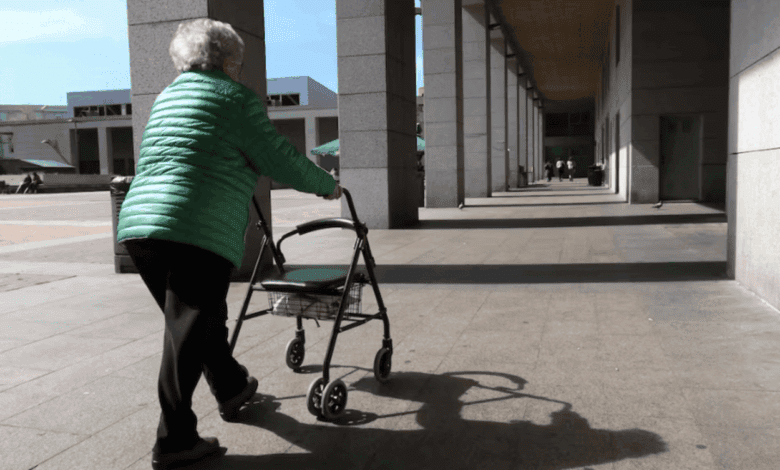
Spain will implement a new increase in pensions and social benefits starting January 1, 2026. The decision, approved by the Council of Ministers, affects nearly 13 million recipients. Most pensions will rise by 2.7%, while certain categories will see an even greater increase. This applies both to old-age pensioners as well as recipients of minimum and non-contributory pensions, and families with children with disabilities.
Authorities emphasize that the pension increase is linked to the rise in consumer prices over the previous year. This approach is enshrined in the law guaranteeing the purchasing power of pensioners. Thanks to this, pensions are now indexed annually according to inflation, ensuring that older people do not lose income as prices rise.
Who qualifies and how much will they get
In 2026, the average old-age pension will rise by about €570 per year. For most average pensioners, the increase will amount to approximately €500 annually. For example, if a pensioner received €1,511.51 per month in 2025, this will rise to €1,552.32 in 2026. This means they will receive €571.35 more over the year.
The changes will affect not only old-age pensions. An increase is also planned for disability pensions, as well as for those receiving payments under the so-called Clases Pasivas scheme. Additionally, the supplemental payment to reduce the gender gap will also rise by 2.7% compared to 2025.
Minimum and non-contributory pensions
Particular attention is focused on minimum and non-contributory pensions, as well as the minimum living income benefit (Ingreso Mínimo Vital). In 2026, minimum pensions will rise by more than 7%. For pensioners with a dependent spouse and widows with children, the increase will be 11.4%. Non-contributory pensions and the minimum income will also rise by 11.4%.
Old-age and disability pensions (SOVI) will increase by 7.07%. As a result, non-combinable pensions will reach €599.60 per month, while combinable ones will be €582.10. The minimum old-age pension for single pensioners over 65 will be €13,106.80 per year, and for those with a dependent spouse — €17,592.40. Families with children with disabilities will also receive more: payments for a child with a disability of 65% will amount to €5,962.80 per year, and for 75% disability — €8,942.40.
Additional measures and changes
The new decree also introduces other important changes. Firefighters and forest rangers will face an additional contribution rate of 10.6%. This will allow them to retire earlier, taking into account the complexity and risks of their work.
General practitioners, family doctors, and pediatricians will be able to combine their pension with work until the end of 2026. This measure has been extended due to a shortage of specialists and has already proven effective: over the past two years, more than 1,200 doctors have taken advantage of it.
System adjustments
The minimum and maximum bases for calculating contributions are also being updated in line with the increase in the minimum wage. The maximum base is now set at €5,101.20. The intergenerational solidarity mechanism (MEI) contribution rate is 0.9%. These funds will go to the social security reserve fund, which is expected to exceed €14 billion by the end of 2025.
For the self-employed, the income levels used to calculate contributions in 2025 remain unchanged. Authorities are continuing talks with business representatives to introduce a contribution system based on actual income. In addition, insurance contribution rates for workplace injuries and occupational diseases have been updated to reflect new economic conditions.