
Published on
December 25, 2025

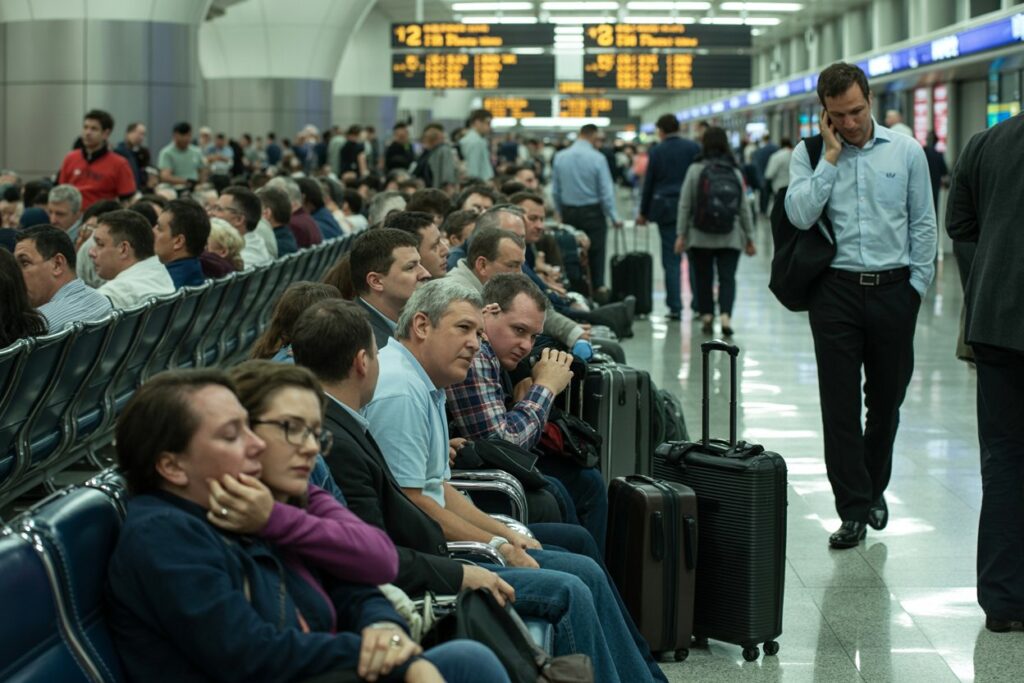
Travelers across South Korea are experiencing widespread disruptions as Seoul flight cancellations continue to affect key domestic and international routes. A total of seven flights were cancelled recently across three major airports: Gimpo International Airport (Seoul), Jeju International Airport (Jeju), and Incheon International Airport (Seoul). The affected destinations include Jeju, Gimpo, Wonju, and Seattle-Tacoma, impacting both leisure and business travelers.
The cancellations come at a time when domestic travel demand remains high, particularly on routes connecting Seoul to Jeju, one of the country’s most popular tourist destinations. Meanwhile, international flights to the United States have also been affected, causing inconvenience for travelers with tight schedules or connecting flights. Passengers are being strongly advised to monitor airline notifications closely and plan alternate arrangements where possible.
Gimpo Airport Delays Affect Popular Seoul–Jeju Route
Gimpo International Airport (RKSS), one of South Korea’s busiest hubs, reported multiple cancellations on flights headed to Jeju International Airport (RKPC). These routes, heavily traveled by both domestic tourists and business travelers, are vital for maintaining smooth connectivity between Seoul and Jeju. The affected flights include:
- Eastar Jet ESR227 (B738) – Scheduled for Sunday at 8:30 PM KST
- Korean Air KAL1357 (B739) – Scheduled for Saturday at 8:45 PM KST
- Korean Air KAL1387 (B739) – Scheduled for Saturday at 5:20 PM KST
The cancellations reflect ongoing Gimpo Airport delays, which have increasingly affected travel reliability on domestic routes. For many passengers, these disruptions not only lead to missed personal and business commitments but also create knock-on effects for connections with other domestic flights or regional transportation services. Airlines have been working to accommodate affected passengers, but the sheer volume of cancellations makes rescheduling challenging.
Jeju Airport Disruptions Impact Regional Connections
Jeju International Airport (RKPC) also faced flight interruptions, affecting both inbound and outbound travel. The key cancellations include:
- Korean Air KAL1256 (B78X) – Flight to Gimpo International Airport on Thursday at 4:05 PM KST
- Jin Air JNA472 (B738) – Flight to Wonju Airport (RKNW) on Wednesday at 9:05 AM KST
These cancellations contribute to broader Jeju Airport disruptions and represent part of the trend of domestic flight cancellations Korea has seen in recent weeks. For passengers, the impact goes beyond immediate delays, as Jeju serves as a key hub for connecting flights and short-haul travel across South Korea. Leisure travelers planning vacations, conference attendees, and those on business trips must now navigate a more unpredictable schedule.
Airlines often offer alternative flights or compensation options, but with limited seat availability on short notice, affected passengers frequently face tough decisions. Some may need to alter hotel bookings or rental arrangements, highlighting the real-world ripple effects of even a small number of flight cancellations.
Incheon Airport Cancellations Affect International Travelers
Incheon International Airport (RKSI), South Korea’s primary international gateway, also experienced significant cancellations affecting long-haul flights. The cancelled flights include:
- Delta Airlines DAL9961 (B764) – Scheduled for Thursday at 9:00 PM KST to Seattle-Tacoma International Airport (KSEA)
- Delta Airlines DAL9972 (B764) – Scheduled for Wednesday at 2:00 PM KST to Seattle-Tacoma International Airport (KSEA)
These Incheon Airport cancellations have disrupted international travel plans, highlighting ongoing international flight cancellations Korea. Passengers heading to the United States face difficulties with connecting flights, visa timing, and scheduled commitments, while airlines work to accommodate these travelers under tight logistical constraints.
International travelers must often coordinate with multiple airlines and ground transportation providers to manage delays, making planning more complicated. The impact is particularly significant for those traveling for business meetings, conferences, or urgent personal matters, as well as for families trying to maintain holiday plans during peak travel periods.
Summary of All Flight Cancellations
Total Cancellations: 7
Travel Advice Amid Ongoing Cancellations
Seoul flight cancellations across major airports demonstrate how unpredictable air travel can be. Travelers can take several proactive steps to reduce the impact:
- Check airline notifications regularly for real-time updates
- Consider alternate airports or routes if schedules are tight
- Allow extra time for connecting flights to avoid missed connections
- Prepare flexible travel plans, especially for international trips
- Contact airline customer service promptly to explore rebooking or compensation options
By following these precautions, travelers can better navigate the disruptions caused by cancellations and minimize unexpected complications.
Final Thoughts
The recent cancellations at Gimpo, Jeju, and Incheon airports underscore the volatility of air travel in South Korea. Seoul flight cancellations have disrupted both domestic and international routes, affecting thousands of passengers. From busy domestic routes connecting Seoul to Jeju and Wonju, to long-haul flights to Seattle-Tacoma, the impact is wide-ranging.
These events highlight the need for flexibility, advanced planning, and staying informed. Passengers, airlines, and airport authorities alike must adapt to minimize disruptions. While the immediate effects of these cancellations are inconvenient, maintaining situational awareness and proactive communication allows travelers to navigate even the busiest periods effectively.
Seoul flight cancellations serve as a reminder that even well-planned travel can be affected by operational and logistical challenges, and preparedness is key to maintaining smooth journeys across both domestic and international routes.
