
The busy tourist shops in Reykjavik have cool little black T-shirts with the slogan: ‘Iceland. Not just cold. But also expensive.’
If that doesn’t put you off, ask Ísòl, Visit Iceland’s helpful ‘AI concierge agent’, if the country isn’t too pricey. Even she agrees the cost of living is high.
Geographic isolation, limited resources, high wages, taxes, regulations and ‘tourism demand’ are all factors, she’ll inform you.
‘The popularity of Iceland as a travel destination has led to higher prices,’ says Ísòl, sounding regretful (can AI robots have regrets?).
I’ve recently spent three days doing a classic Iceland tour – a night in Reykjavik and two in Reykholt on the ‘Golden Circle’. And yes, it was cold, it was expensive and, I’d add, rainy.
The only time I didn’t stress about bills was when I left my glasses in the cabin and couldn’t read the prices on the restaurant menu. It ended up being €137 (£120) for one main course and a glass of wine each: about standard.
So, for forgetful short-sighted visitors, Iceland is great. Others struggle.
On the flight home, a man regaled a patient Icelandic lady about the damage his wallet had just incurred. ‘I know… it’s terrible,’ she replied.
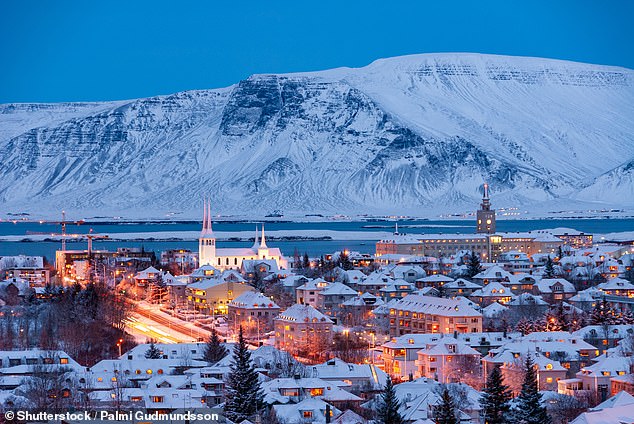
Reykjavik, the capital city of Iceland, is magnificent during the winter time – but it’s never cheap
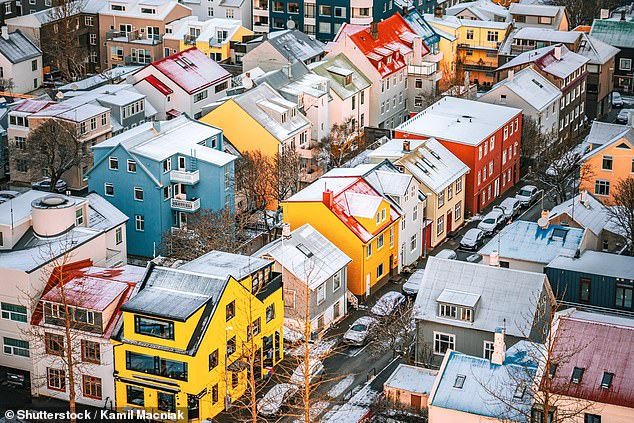
Reykjavik is known for its charming and colorful houses but tourism to the capital has exploded in the last decade, with some suggesting the country’s tourism bubble might soon burst
Perhaps they should have gone somewhere else? I ask Ísòl if there are cheaper destinations she could recommend.
‘A more budget-friendly experience compared to Iceland,’ she advises, is ‘Poland, Hungary, Mexico, Portugal and Greece’. And about 190 other countries, she might have added.
Some suspect that things like off-putting T-shirts and a tourism site that recommends other destinations is a deliberate ploy by Icelanders secretly wanting to reduce tourist numbers.
‘Maybe we just need to tone it down a bit,’ says prime minister Kristrún Frostadòttir, whose name, wonderfully, translates as ‘daughter-of-the-frost’.
Partly inspired by the Game Of Thrones phenomenon, tourism has gone crazy in the past decade – from roughly 500,000 visitors in 2010 to 2.3million in 2018.
So is the ‘cold and expensive’ message finally getting through? Despite reports of tourism bubble bursting, Iceland is on track to return to pre-Covid levels of visitors this year.
The tourism people tell me they can ‘comfortably’ manage 2.5million tourists. But they are keen to persuade people not to do the classic Golden Circle trip and maybe try places like the ‘near solitude’ of Westfjords.
So, there is no respite for locals in what really is ‘an island of strangers’. The trouble is, Iceland is uniquely attractive: weird and wonderful beyond words, from geysers to volcanoes, with superb new visitor attractions such as the Perlan Museum. And it’s not as if fears about overtourism are anything new.
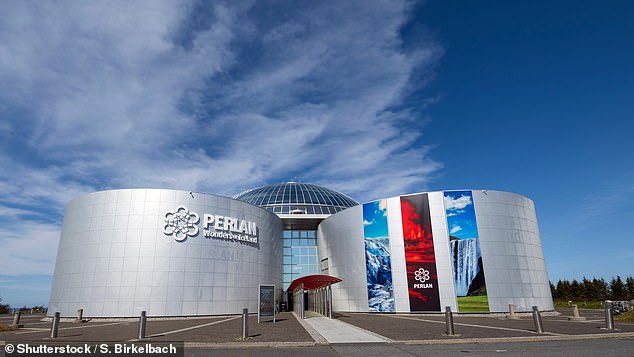
Iceland’s Perlan Museum, which is located around and on top of hot water tanks
On a visit here in 1871, the poet and wallpaper designer William Morris complained about the litter at the Thingvellir geyser.
He also left something behind: a poem describing Iceland as the ‘land of fire and ice’ – a phrase that’s done a fair bit to lure travellers ever since.
Back home, we weighed up the experience. The flights hadn’t been too pricey. Two nights at the Reykholt Airbnb, at €515 (£450), was, but then it was a luxe place with epic views over the landscape.
So, not great value, but how do put a value on somewhere that really is unique? After all, you don’t have to go to the Blue Lagoon (€70 – £61) or buy a woolly jumper keyring (€28 – £24.50), do you?