
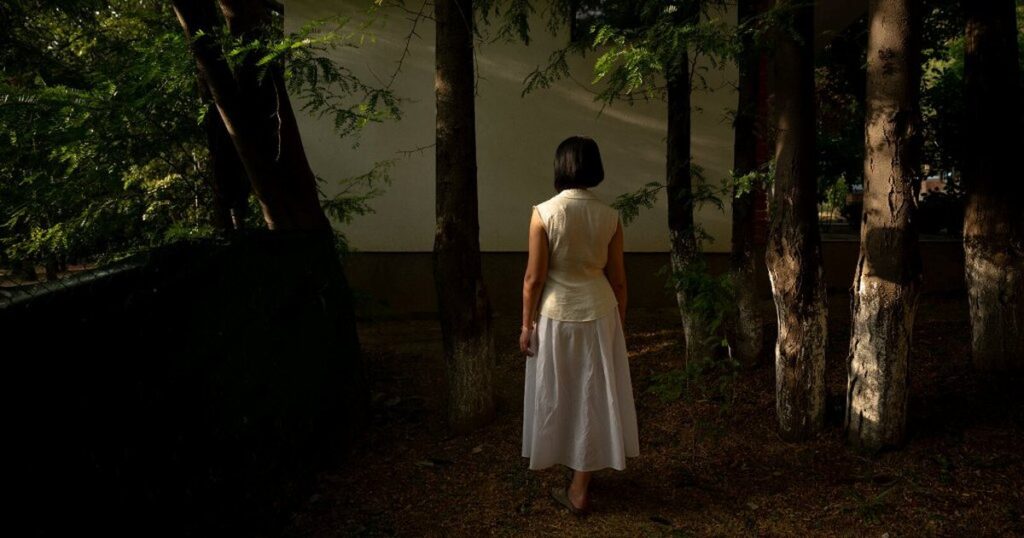
A student from Kosovo, Ema Kurshumlija, paid about $2,000 in 2018 to participate in an internship in New York through the American J-1 visa program, presented as a ” beautiful cultural experience.”
But the reality was quite different: without prior training and with work weeks of up to 60 hours performing heavy physical labor.
“We were promised a wonderful experience. When we saw what awaited us, it was a huge shock,” Kurshumlija said.
Her case is just one of dozens of testimonies emerging from a wide-ranging New York Times investigation , which reveals that the J-1 program, administered by the U.S. State Department, is often transformed from a cultural exchange program into a profit-making mechanism for sponsoring organizations, often at the expense of young foreign students.
The investigation shows that some sponsors paid their executives over $500,000 per year, while family members of executives benefited over $1 million in just two years.
Participants are often sent to work on farms or businesses owned by family members or board members.
Students are also forced to purchase health insurance and other services from companies affiliated with sponsors, raising the cost of participation to up to $5,000 per person.
Dozens of interns reported heavy industrial and agricultural work, without protection and without support from sponsors, even when they suffered injuries or faced harassment.
A South Korean student, Dongho Kang, paid nearly $5,000 and ended up cleaning septic tanks at a steel mill in Indiana.
Others worked on pig farms in Nebraska, where some said they felt like slaves.
The State Department’s Inspector General warned in 2000 that parts of the program were “ out of control” and some sponsors existed primarily “ to make money .” However, the rules have not been tightened and sponsors have no limits on the fees they can charge.
A State Department representative dismissed the criticism, saying the program has been reformed over the years and sponsors who do not comply with the rules have been excluded, calling the New York Times investigation an “unfair attack.”
However, for students like Ema Kurshumlija, the experience remains a bitter warning for young people who dream of America through the J-1 program, but face realities far from the promises.
/ 2025-12-25 23:01:10News
/ 2025-12-25 21:35:20News

Survey: 70% of Berat families affected by emigration (but also returns), in Tirana 35%
Read
/ 2025-12-25 21:17:11News

Tragic accident in Levan-Tepelena, 20-year-old dies
Read
/ 2025-12-25 20:23:57News
/ 2025-12-25 20:06:32News
Jona Cenameri
/ 2025-12-25 19:27:01News
/ 2025-12-25 19:06:57News

The UNREVEALED other side of businessman Gerond Meçe, how he created the tender monopoly at AKSHI
Read
/ 2025-12-25 18:29:59News

Dhunoi vëllanë dhe dajën e tij, arrestohet 51-vjeçari në Patos!
Read
/ 2025-12-25 16:25:28News
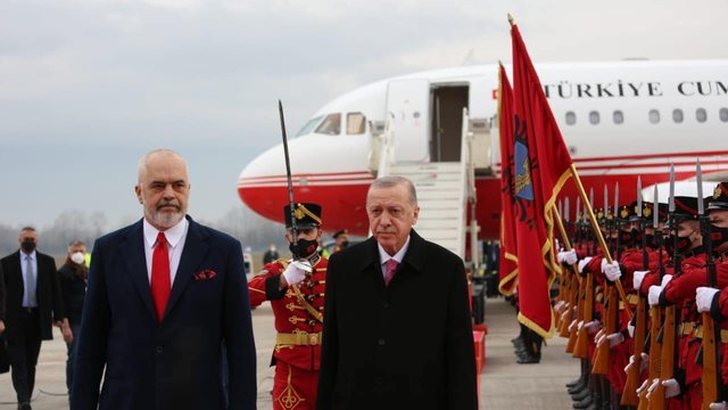
Mediat turke: Erdogani i dhuron qeverisë shqiptare një AVION me vlerë 11.9 milionë dollarë!
Read
/ 2025-12-25 16:02:34News