Home »
Alternative tourism » Japan Joins UAE, Iceland, and Finland in Rewriting the Future of Tourism: 2026’s Focus on Quiet Luxury, Spiritual Traditions, and Eco-Friendly Travel
Published on
December 26, 2025
By: Paramita Sarkar
As we enter 2026, the global tourism industry is undergoing a major transformation. Traditional mass tourism is being replaced with more value-based and regenerative tourism models, focusing on sustainability, cultural preservation, and environmentally conscious travel. Destinations around the world are embracing this new approach, marking a significant shift in how tourism is approached.
Let’s explore some of the leading destinations and trends that will shape the travel landscape in 2026.
1. Finland: Arctic Wellness and Sauna Culture
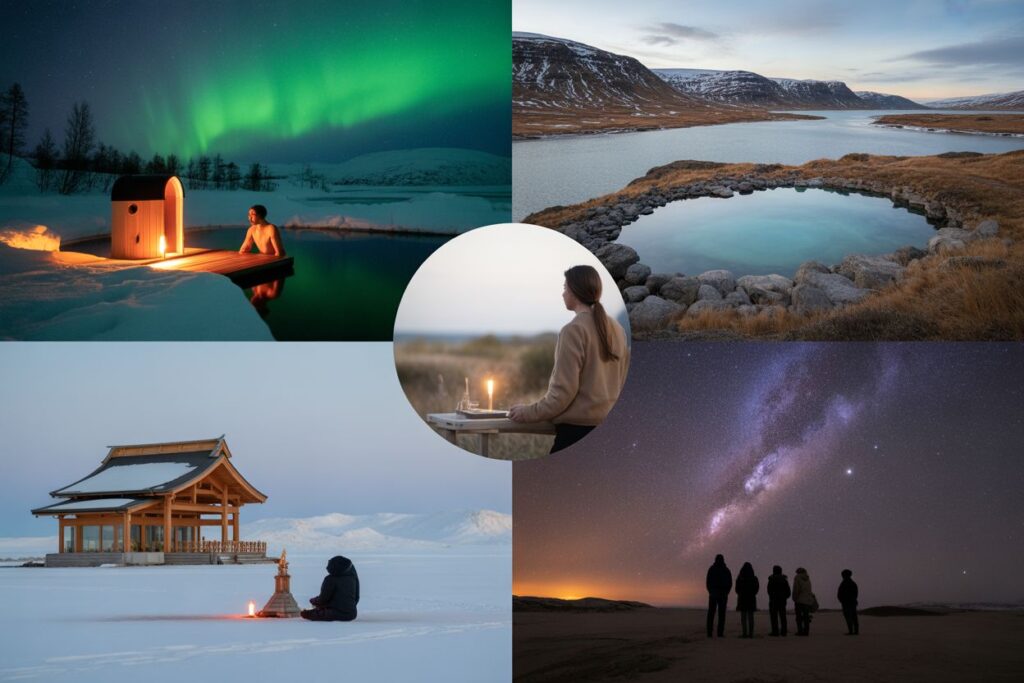
Finland is redefining its winter tourism experience by focusing on wellness and sauna culture. Visit Finland has embraced the concept of “Arctic Wellness”, combining traditional practices like sauna bathing with nature-based health strategies. Here are some key highlights for 2026:
InitiativeDetails
| Sauna and Ice Experience |
Finland is promoting the “Sauna and Ice” experience, combining sauna bathing with ice-hole swimming (avanto) in municipalities regulated by the Finnish Wildlife Agency. |
| Intangible Cultural Heritage |
Finland’s sauna has been officially recognized as an Intangible Cultural Heritage by the Finnish Heritage Agency, emphasizing its cultural significance. |
| Wellness Tourism |
Many Finnish regions are rebranding winter as a season for wellness, attracting tourists year-round to experience health-focused activities in the snowy Arctic landscapes. |
2. Iceland: Slow Travel and Sustainability Map
Iceland has taken the concept of slow travel to the next level, encouraging visitors to explore the less-crowded areas of the country. With its Sustainability Map, Visit Iceland is shifting the focus from mass tourism to more sustainable travel practices:
InitiativeDetails
| Sustainability Map |
Travelers are encouraged to visit regions like the Westfjords to experience geothermal baths and other less-visited attractions. |
| Slow Travel |
The initiative promotes slow travel, advising tourists to spend more time in one area rather than rushing through the entire Ring Road, ensuring more immersive and responsible tourism. |
| Environmental Impact |
This approach aims to reduce the strain on popular destinations and spread the tourism load across less-visited regions, ensuring a more balanced and sustainable experience. |
3. Japan: Spiritual Tourism and Cultural Preservation
Japan, with its rich spiritual heritage, is leading the way in cultural preservation. In Kyoto, the Japan National Tourism Organization (JNTO) has introduced guidelines to preserve local traditions while accommodating tourists. Here are the key elements for 2026:
InitiativeDetails
| Joya-no-Kane (New Year’s Eve Bells) |
The Joya-no-Kane ritual at temples like Chion-in involves 108 bell strikes, symbolizing the purification of sins. JNTO is regulating access to major temples to avoid overcrowding. |
| Quiet New Year |
JNTO now provides “Quiet New Year” guides, directing visitors to smaller, local temples, ensuring a more peaceful experience during the religious ceremonies. |
| Sustainable Spirituality |
This initiative ensures that Japan’s spiritual practices remain respected and intact, even as tourism continues to grow. |
4. South Korea: Sunrise Hiking and Cultural Preservation
In Seoul, South Korea is promoting a more mindful form of tourism through sunrise hiking and the preservation of cultural rituals:
InitiativeDetails
| Sunrise Hiking at Bukhansan National Park |
The Korea Tourism Organization (KTO) is encouraging tourists to hike Bukhansan to view the sunrise, a practice known as Haedoji. |
| Park Ranger Protocols |
KTO provides safety protocols for tourists engaging in the sunrise viewing tradition, ensuring that the natural environment is protected. |
| Cultural Preservation |
By regulating the number of visitors and offering educational guides, South Korea ensures that traditional experiences are maintained in an environmentally sustainable way. |
5. UAE: Astrotourism and Low-Impact Luxury
The UAE is at the forefront of astrotourism, offering visitors a chance to experience the night sky in a way that minimizes environmental impact. Dubai’s Al Marmoom Desert Conservation Reserve is one such place where new tourism practices are being implemented:
InitiativeDetails
| Astrotourism |
The UAE is promoting astrotourism, allowing tourists to stargaze in the desert while minimizing environmental impact. |
| Drone Shows in Ecologically Sensitive Areas |
The UAE has introduced drone-integrated fireworks to replace traditional fireworks, ensuring that the celebrations do not disrupt the natural environment. |
| Low-Impact Luxury |
Dubai is also focusing on low-impact luxury accommodations and experiences, designed to offer high-end comfort without harming the delicate desert ecosystem. |
6. Jordan: Protecting Wadi Rum for Stargazing and Conservation
Jordan is focusing on sustainable tourism through the conservation of its most iconic desert destination, Wadi Rum. The Jordan Tourism Board has worked to limit the number of permanent structures in the area, ensuring that the desert’s cosmic silence and stargazing quality remain intact:
InitiativeDetails
| Protected Area |
Wadi Rum is designated as a Protected Area, with regulations in place to preserve its natural beauty and stargazing quality. |
| Limitations on Structures |
The number of permanent structures is limited to preserve the area’s unique atmosphere and prevent overcrowding. |
| Regenerative Tourism |
Jordan’s National Tourism Strategy focuses on low-impact tourism, ensuring that visitors experience the desert in a way that protects its natural and cultural heritage. |
7. Seychelles: Quiet Luxury and Environmental Sustainability
In the Seychelles, Tourism Seychelles is promoting quiet luxury, where low-density tourism ensures that beaches remain serene and free from commercial noise. The Tourism Environmental Sustainability Levy is helping fund initiatives to maintain this peaceful, eco-friendly atmosphere:
InitiativeDetails
| Tourism Sustainability Levy |
This levy funds low-density tourism, ensuring that the Seychelles maintains its pristine environment while offering visitors a tranquil experience. |
| Quiet Beaches |
Seychelles is committed to maintaining quiet beaches, free from commercial noise and the overcrowding typical of mass tourism. |
| Sustainable Luxury |
The Seychelles is promoting low-impact luxury experiences that provide high-end comfort without harming the environment. |
8. Pet Travel Evolution: A Regulatory Shift in International Transport
The rise of pet-friendly travel is reshaping international tourism, with countries like the EU and US making significant regulatory updates for pet owners:
InitiativeDetails
| EU Pet Passport System |
The EU continues to lead in making pet travel easier, with the EU Pet Passport system being the gold standard for international travel. |
| Digital Health Certificates for Pets |
In the US, APHIS has streamlined the Veterinary Export Health Certification System (VEHCS), enabling digital health certificates for pets traveling to Reset destinations. |
9. Global Entry Shifts: What You Need to Know for 2026
In 2026, several countries will introduce new entry systems that will impact travelers. Key global changes include:
SystemDetails
| ETIAS (Europe) |
Starting in late 2026, travelers from 60+ visa-exempt countries must apply for an ETIAS authorization to enter most European countries. |
| EES (Schengen Area) |
In late 2025, the Entry/Exit System (EES) will begin biometric registration at borders across the Schengen Area, including countries like Iceland and Finland. |
| K-ETA (South Korea) |
South Korea will require K-ETA for all visa-free visitors starting January 1, 2026, after a temporary exemption ends. |
Conclusion: A New Era of Tourism in 2026
The Reset travel trend for 2026 is shaping up to be a turning point in the tourism industry. From wellness tourism in Finland to astrotourism in the UAE, destinations around the world are embracing sustainable, low-impact tourism that prioritizes environmental preservation, cultural heritage, and personalized travel experiences. This global movement toward regenerative tourism will redefine how we explore the world, making 2026 a pivotal year for the future of travel.