
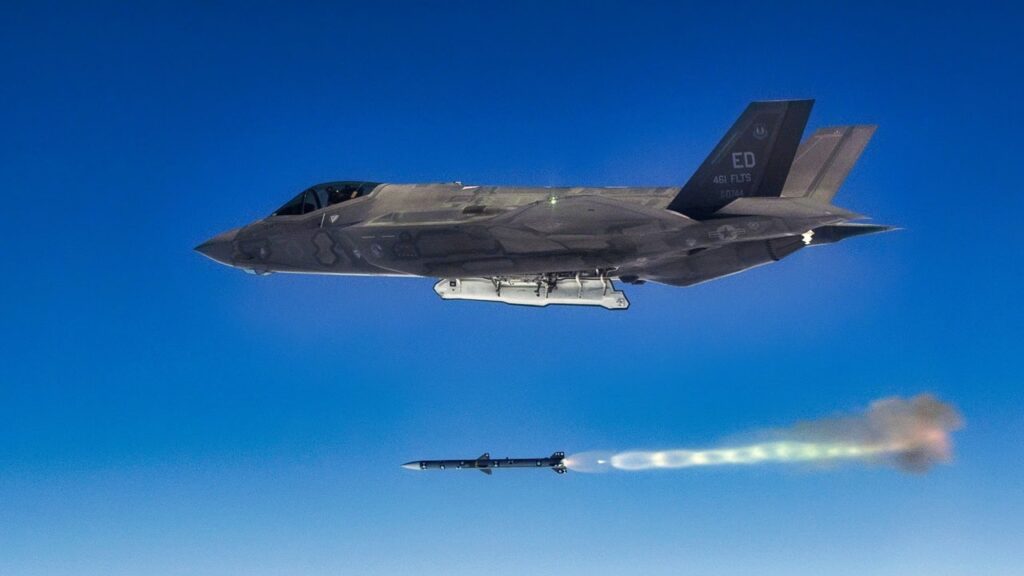
Key Points and Summary – Portugal is moving toward the F-35A as its “preferred” replacement for its aging F-16 fleet, with Air Force chief Gen. João Cartaxo Alves confirming plans for 14–28 fifth-generation jets under Lisbon’s Military Programming Law.
-Beyond swapping out “worn-out” fighters, the choice is about plugging into NATO’s networked battlespace.

U.S. Air Force Capt. Kristin “BEO” Wolfe, the F-35A Demonstration Team pilot, climbs into the sky during a flight practice June 17, 2020, Hill Air Force Base, Utah. Air Combat Command’s single-ship aerial demonstration teams are required to regularly practice in order to maintain flight currencies and stay performance-ready. (U.S. Air Force photo by Capt. Kip Sumner)
-The F-35 would sit at the center of Portugal’s SAFE air-and-space architecture, linked to new radars in the Azores and upgraded air and missile defenses.
-While not yet a formal selection, political and military “body language” points strongly toward joining Europe’s growing F-35 club for decades to come in NATO’s southern flank.
Portugal Says F-35 Fighter “Preferred” Choice to Replace F-16
Despite earlier “wobbling” on whether it would proceed with the procurement, Portugal is reported to be leaning towards acquiring between 14 and 28 F-35A fighter aircraft to replace its aging F-16AM/BM fleet.
The decision by the US fighter to be the preferred choice for an F-16 replacement stems from comments made on December 19 by the chief of the Força Aérea Portuguesa (FAP).
Portugal is currently preparing to modernize its combat aviation fleet, a move the FAP says must be a generational leap in tactical air power for the southern European nation. The F-35 has been placed as one of the leading candidates.
In an interview published by Diário de Notícias on December 19, FAP Chief of Staff General João Cartaxo Alves confirmed plans to procure 14 to 28 5th-generation fighter aircraft. They would be acquired under the country’s Military Programming Law.
Beyond bringing the FAP into the modern age of combat air power, taking on the F-35 is also a clear signal that Portugal remains committed to enhancing interoperability with NATO standards and requirements.
From Separate Service Branches to Networked Platforms
For the Portuguese armed forces, such a move is more than long overdue. “The [FAP] F-16s have been in service for so many years that they add an entire new meaning to the description ‘worn out,’” said one NATO nation representative familiar with the defence planning in Lisbon.
Referring to the older A/B series F-16s currently in inventory, “the Air Force has never had an aircraft in active service for so many consecutive years,” said General Alves. “Thirty-one years for the most recent F-16s, nearly forty for others. The replacement process should have begun two decades ago.”
While other NATO allies, such as Norway and Denmark, had initiated their modernization processes to bring a new fighter on board as far back as 2008, which ended up being the F-35 for both nations, the FAP has not taken any steps along these lines until now.
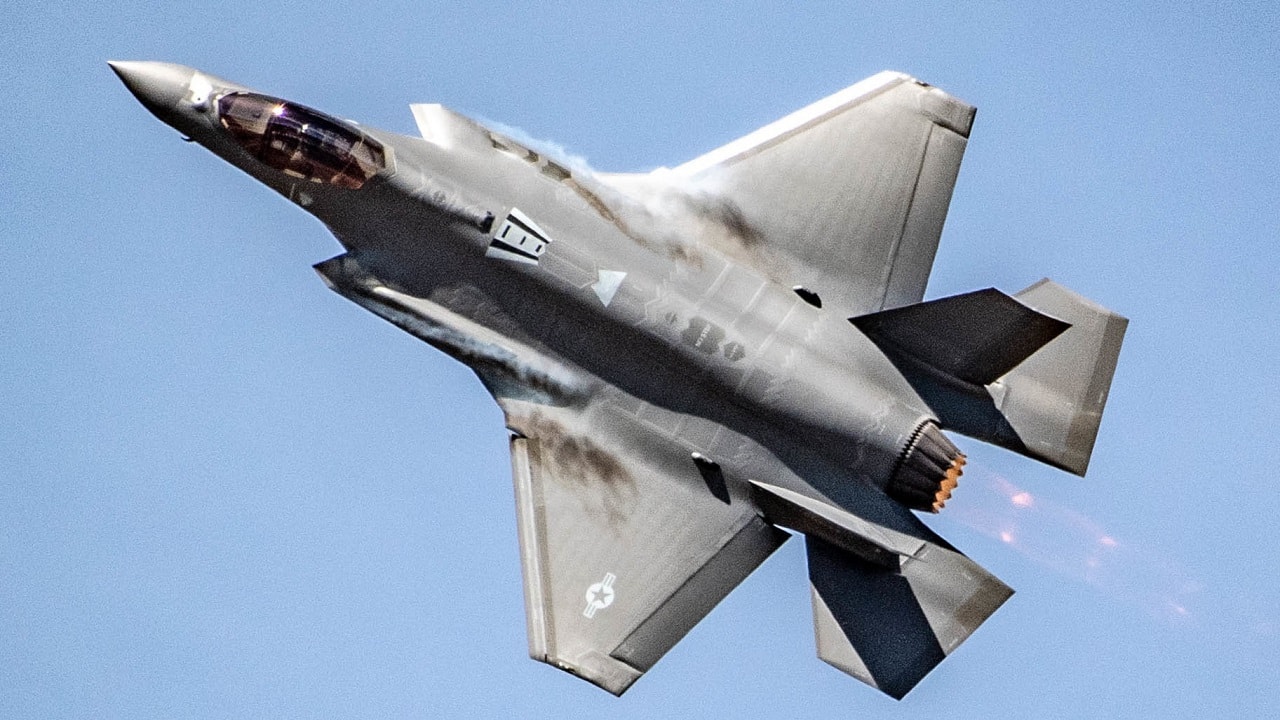
U.S. Air Force Maj. Kristin Wolfe performs a demonstration in the F-35A Lightning II during at the Reno Air Races in Reno, Nevada, September 19, 2021. The F-35 Lightning II Demonstration Team is based out of Hill Air Force Base, Utah. (U.S. Air Force photo by Tech. Sgt. Nicolas Myers)
Selecting a new 5th-generation jet represents more than just upgrading to a newer model platform for the FAP. Alves explained that any F-16 replacement must become a node in an encompassing system-of-systems architecture aligned with network-centric warfare and NATO interoperability objectives.
“Connectivity is fundamental,” he said. “Either we operate in real time, with access to all data flows, or we cannot cope with the threats that exist today.”
“What do these systems connect to?” General Alves asked. “We need new radars, integrated air defense systems, and automated prioritization algorithms. Otherwise, the investment is fragmented and ineffective.”
New-Age Architecture
The Armed Forces modernization initiative is known as the SAFE program (Sistema de Atividades de Força Aérea e Espaço), which is Portugal’s strategic initiative for integrated air and space defense.
The entire system is focused on upgraded early warning systems, including new radar installations in the Azores, and procuring advanced ground-based air and missile defense assets.
This architecture would create an information-infused battlespace where any F-35 fleet would not operate in isolation.
The aircraft would be linked to a digitally fused air-space infrastructure where fighters, air and missile defence systems, and ISR platforms would all share real-time intelligence.
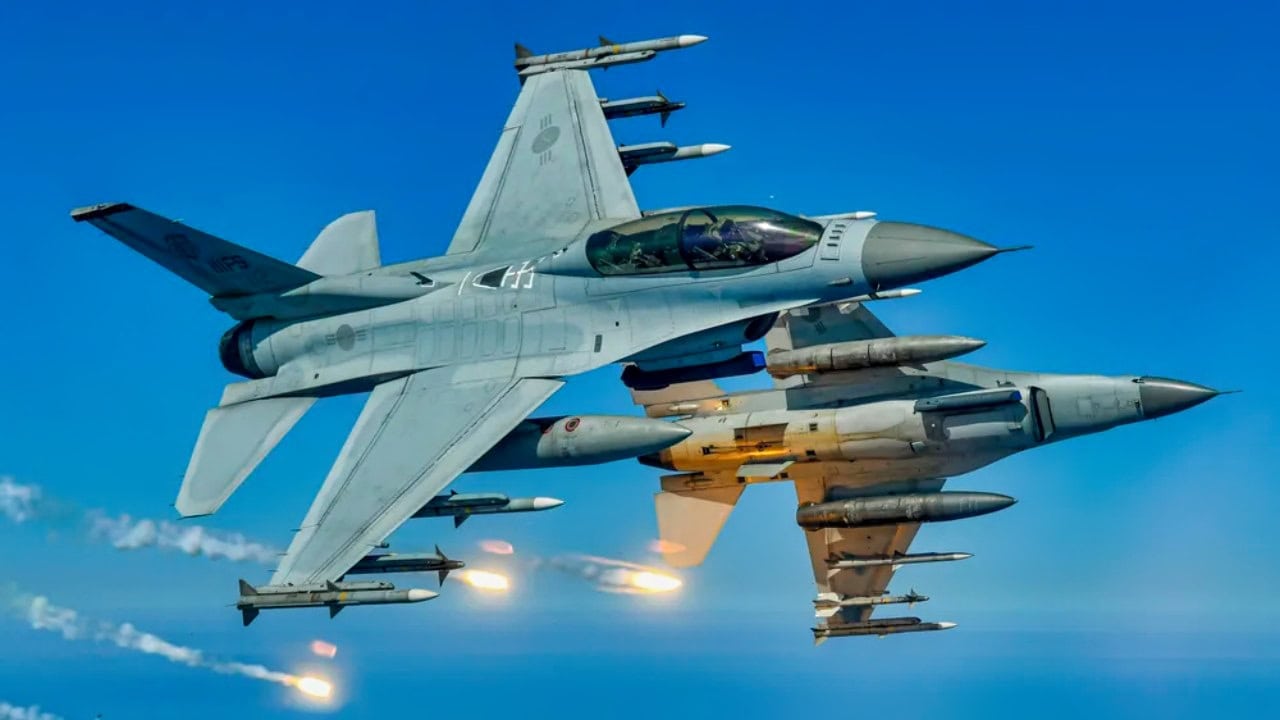
F-16 Fighter. Image Credit: Creative Commons.
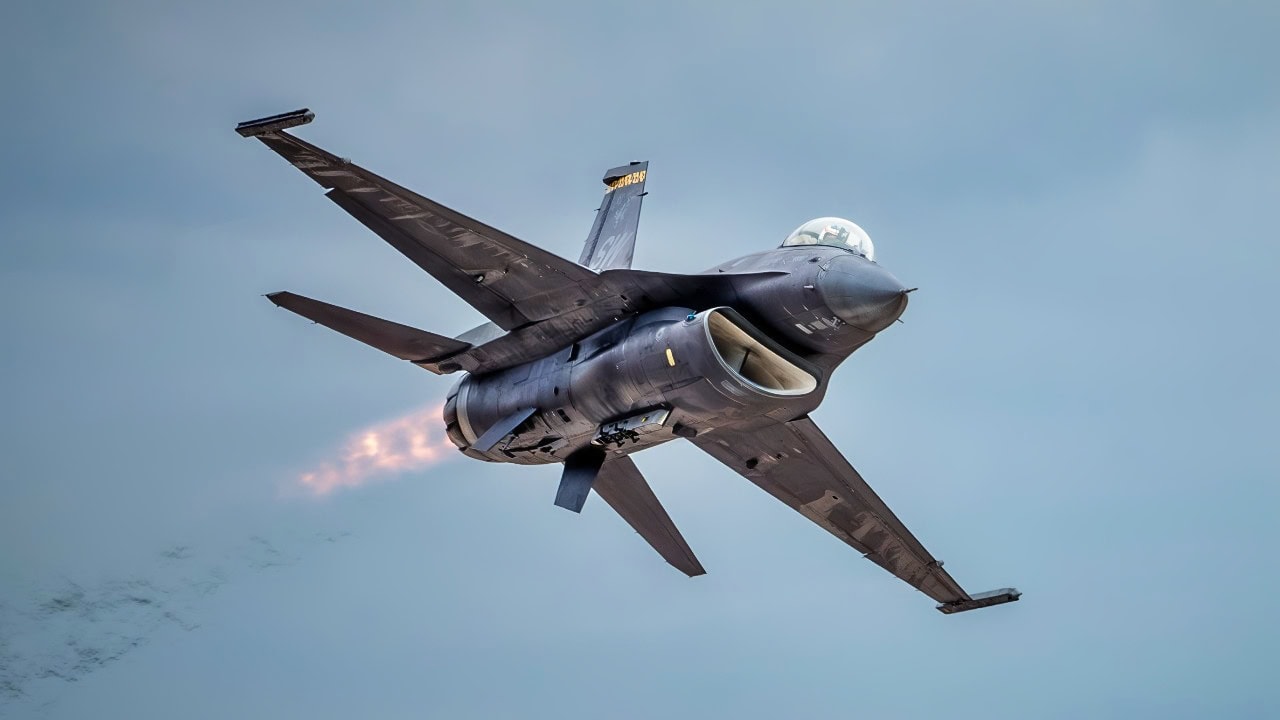
U.S. Air Force Maj. Taylor “FEMA” Hiester, F-16 Viper Demonstration Team commander and pilot, takes off for a practice demonstration at Shaw Air Force Base, S.C., Feb. 13, 2025. Hiester leads a team of Airmen charged with showcasing the combat capabilities of the F-16 Fighting Falcon for millions of spectators each year. (U.S. Air Force photo by Senior Airman Meghan Hutton)
General Alves did not take the final step of formally declaring the F-35 as the FAP’s final selection. Still, much of the “body language” in Lisbon strongly indicates that it is the direction of travel.
Portugal would join the “club” of countries that include Italy, Norway, Denmark, the Netherlands, Belgium, and the UK that are already operating the 5th-generation jet.
“These are all concrete and logical factors that would favor an F-35 procurement,” said the NATO nation representative. “But it also means that with all the other users out there, it makes the F-35 a ‘safe’ choice inside of a military establishment—and like any other nation’s military, the number one rule is to be risk-averse.”
About the Author: Reuben F. Johnson
Reuben F. Johnson has thirty-six years of experience analyzing and reporting on foreign weapons systems, defense technologies, and international arms export policy. Johnson is the Director of Research at the Casimir Pulaski Foundation. He is also a survivor of the Russian invasion of Ukraine in February 2022. He worked for years in the American defense industry as a foreign technology analyst and later as a consultant for the US Department of Defense, the Departments of the Navy and Air Force, and the governments of the United Kingdom and Australia. In 2022-2023, he won two awards in a row for his defense reporting. He holds a bachelor’s degree from DePauw University and a master’s degree from Miami University in Ohio, specializing in Soviet and Russian studies. He lives in Warsaw.