
Published on
December 27, 2025

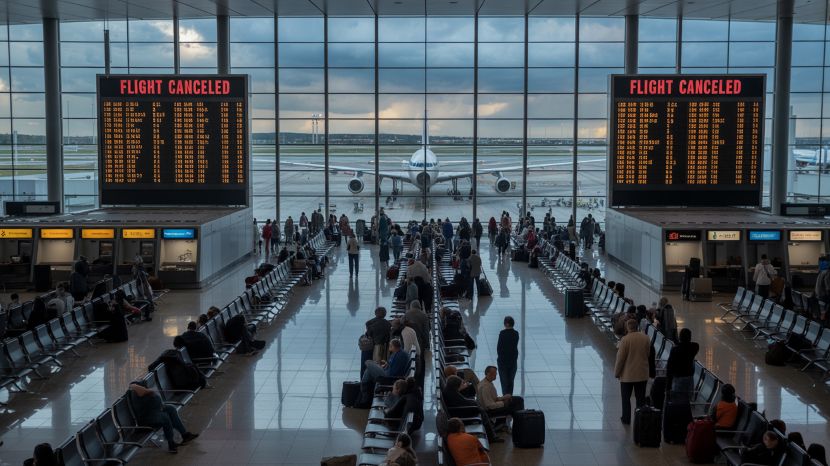
In an unexpected series of weather-related disruptions, the global travel landscape was severely impacted over a weekend, with Air France, KLM, and British Airways forced to cancel dozens of flights. From Europe to North America, and across the Middle East, over 45 flights were grounded, leading to cascading delays and inconvenience for passengers. These cancellations were primarily driven by bad weather conditions, which hit major airports and air corridors, affecting key travel routes between continents.
This disruption highlights the vulnerability of the air travel industry to unpredictable weather events. Not only were passengers left stranded, but the impact reverberated through local tourism economies as travelers were unable to make it to planned vacations, business meetings, and family gatherings. This article will break down the details of the cancellations, offer tips for affected passengers, and explore the ripple effects on global tourism.
A Closer Look at the Cancellations: Air France, KLM, and British AirwaysAir France’s Troubles Across Europe and Beyond
Air France’s operations were significantly disrupted by inclement weather, causing cancellations in several key regions. The airline faced numerous cancellations on major transatlantic routes, including flights from Charles de Gaulle (CDG) in Paris to John F. Kennedy International (JFK) in New York, and from Paris to Toronto. Notably, flights to Yaoundé, Cameroon, and N’Djamena, Chad, were also impacted, underscoring how weather doesn’t just affect high-traffic routes, but also more distant, less frequent connections.
Passengers traveling through CDG, JFK, and Toronto Pearson airports bore the brunt of the disruptions. With the chaos, many passengers were forced to rebook at significantly higher prices, often facing limited availability during the busy season. For affected travelers, being proactive about checking for alternate flights, securing hotel accommodations early, and reaching out to airlines for compensation options will be key to navigating this disruption.
KLM’s Extensive European Impact
KLM, based at Amsterdam Schiphol (AMS), saw severe disruptions as well, with flights canceled from AMS to destinations including New York (JFK), London City (LCY), and Cardiff (CWL). Additionally, flights to Split (SPU) in Croatia and Gdansk (GDN) in Poland were also grounded. AMS, one of Europe’s busiest hubs, became a focal point for long waits and crowded terminals. London Heathrow (LHR), Norwich (NWI), and Leeds Bradford (LBA) also experienced cancellations.
For passengers flying KLM, those planning to travel to or from Amsterdam faced particularly severe disruptions, with several routes to popular European cities and long-haul destinations heavily impacted. This is a stark reminder that travelers flying through major international airports like AMS must remain adaptable and flexible, keeping updated on potential delays and cancellation policies, as well as knowing their rights to compensation.
British Airways: London’s Key Routes Hit Hard
British Airways (BA) was also struck by severe weather conditions, affecting major routes between London Heathrow (LHR) and New York (JFK), as well as Newark (KEWR). Other affected cities included Cincinnati and Riyadh in Saudi Arabia. London Heathrow, one of the busiest airports globally, became a bottleneck for BA passengers as multiple flights from London to JFK were canceled, leading to a ripple effect on the U.S.-Europe travel corridor.
In addition, several intra-European routes were also hit, further disrupting the flow of tourists and business travelers. Passengers flying through Heathrow during this period had limited options for rebooking, as available seats were scarce due to high demand and limited supply of aircraft during the peak season.
The Route Impact: Affected Key ConnectionsAir France:
- France to USA: The Paris to New York (JFK) route was heavily disrupted, affecting both leisure and business travelers.
- Europe to Africa: Flights from Paris to Yaoundé (NSI) and N’Djamena (NDJ) were impacted, with local and international tourists stranded.
- North America to Europe: The Toronto to Paris (CDG) route saw cancellations, delaying many travelers arriving for scheduled events in Paris.
KLM:
- Europe to USA: KLM’s routes from Amsterdam to New York (JFK) and London City (LCY) were delayed and canceled, leaving passengers frustrated.
- Europe to Europe: Numerous flights from Amsterdam to Cardiff (CWL) and Leeds (LBA) were grounded, significantly affecting domestic and international travelers.
- Europe to Croatia and Poland: KLM also experienced disruptions on flights from Amsterdam to Split (SPU) and Gdansk (GDN).
British Airways:
- London to North America: Flights from London Heathrow to New York (JFK) and Newark (KEWR) faced cancellations, leaving both business and leisure travelers stranded.
- London to Saudi Arabia: The London to Riyadh (RUH) route also saw cancellations, frustrating passengers traveling for business or tourism.
Passenger Impact: What You Need to Know
The immediate impact on passengers is evident: extended delays, rebooking nightmares, and a lack of available accommodations. With winter storms exacerbating the situation, many travelers had to make last-minute adjustments to their plans, including scrambling for new flights at higher prices. For many, this meant long hours in airports, along with the uncertainty of knowing when or if they would get home.
Travel Tips for Affected Passengers:
- Stay Updated: Always check with your airline for real-time updates about your flight’s status. Airline apps or websites often have up-to-the-minute information.
- Be Flexible: Be prepared for potential delays and have backup plans. Consider reaching out to the airline for alternative flight options if your scheduled flight is canceled.
- Know Your Rights: Understand your rights to compensation in the event of cancellations, including meal vouchers, hotel stays, and travel credits. European Union regulations offer certain protections.
- Travel Insurance: If you haven’t already, investing in comprehensive travel insurance can help mitigate financial losses due to cancellations, including rebooking fees and hotel costs.
Tourism Impact: Economic Ripples Across the Regions
As thousands of passengers were left stranded, the local economies of affected regions also felt the strain. Cities like Paris, New York, and London—all major tourist hubs—witnessed a drop in tourism during an already busy period. Hotels saw a mix of cancellations and last-minute reservations, while tour operators had to adjust itineraries.
Local businesses, particularly those in the hospitality and entertainment sectors, suffered losses. For example, Parisian hotels, relying heavily on international visitors, saw a dip in check-ins, especially from tourists who had planned to attend conferences, events, or New Year celebrations. The New York tourism scene also took a hit, as travelers couldn’t make it in time for Broadway shows, special exhibits, and holiday markets.
What Can Be Done for Tourism to Recover?
Despite these setbacks, recovery for the tourism industry is possible. Local governments and airlines can collaborate to provide additional support to passengers, such as offering flexible booking options and exploring partnerships with hotels for discounted stays. In regions like New York, Paris, and London, tourism boards could provide immediate promotions to encourage rebooking and longer stays.
Another critical step is the implementation of better weather forecasting technology and communication between airports and airlines to provide passengers with more accurate and timely updates. Passengers must also be informed about compensation opportunities, including travel credits or cash refunds for those unable to travel.
A Positive Outlook for the Future of Tourism
While the flight cancellations have disrupted travel plans, the industry is resilient. Airlines are already enhancing their contingency planning, improving communication, and introducing new customer service protocols to manage such crises better in the future. The increase in flexible booking policies and better weather-related infrastructure could prevent similar issues in the future.
With airlines focusing on recovery strategies and customers becoming more aware of their rights, tourism is likely to bounce back quickly. Tourism operators should continue improving customer service and build stronger connections with local businesses to keep the industry moving forward, no matter the obstacles that arise.
