
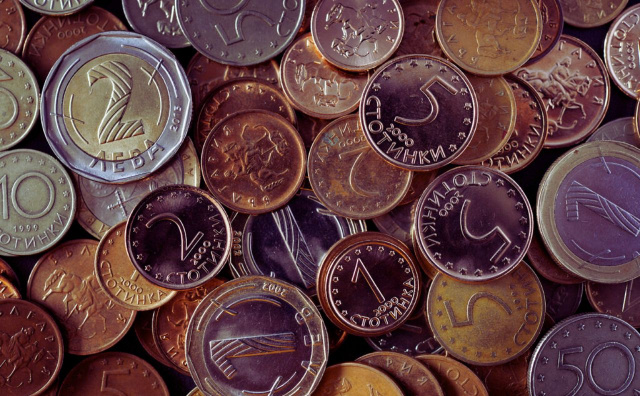
With Bulgaria set to join the eurozone in less than a week, many citizens are wondering what to do with their accumulated small change. Financier Levon Hampartzumyan addressed the issue on NOVA News, providing practical guidance for handling coins and small denominations during the transition.
Hampartzumyan explained that in the first month after January 1, while levs will still be accepted, merchants have the right to refuse payments exceeding 50 coins. He acknowledged that there may be minor inconveniences during the initial period when old coins and banknotes are being collected and replaced with euros, but he emphasized that these are manageable.
For those looking to exchange their levs for euros, the process will remain free at BNB cash centers, branches of the Bulgarian Post Office, and commercial banks. Hampartzumyan advised not to wait until the last moment, as queues at some exchange machines can be long. Some stores also provide machines that accept coins and issue vouchers, though these remain limited.
Hampartzumyan reassured that small coins can still be used for a period after the euro is adopted. He suggested that the safest approach is to use a card for transactions, as this eliminates the need for handling coins and ensures precise calculation. Reflecting on personal experience, he noted that small change saved at home usually amounts to modest sums, such as 120–130 leva (approximately €61–66).
In summary, citizens have several options: exchange coins at official points, use limited coin-to-voucher machines, or rely on card payments. In all cases, patience is recommended, as the conversion process will continue smoothly after January 1. The transition is designed to be manageable, with the card system handling most of the recalculations automatically.