
An İstanbul court has ordered the arrest of 17 suspects and the release of two others under judicial supervision in a drug investigation that has already targeted journalists, social media influencers, business leaders and figures from the television, film and media sectors, marking one of the most wide-ranging narcotics probes in recent years.
The İstanbul Chief Public Prosecutor’s Office said the investigation covers accusations that include drug manufacturing and trafficking, providing a place or equipment to make drug use easier or to help users avoid detection and buying or possessing drugs for personal use.
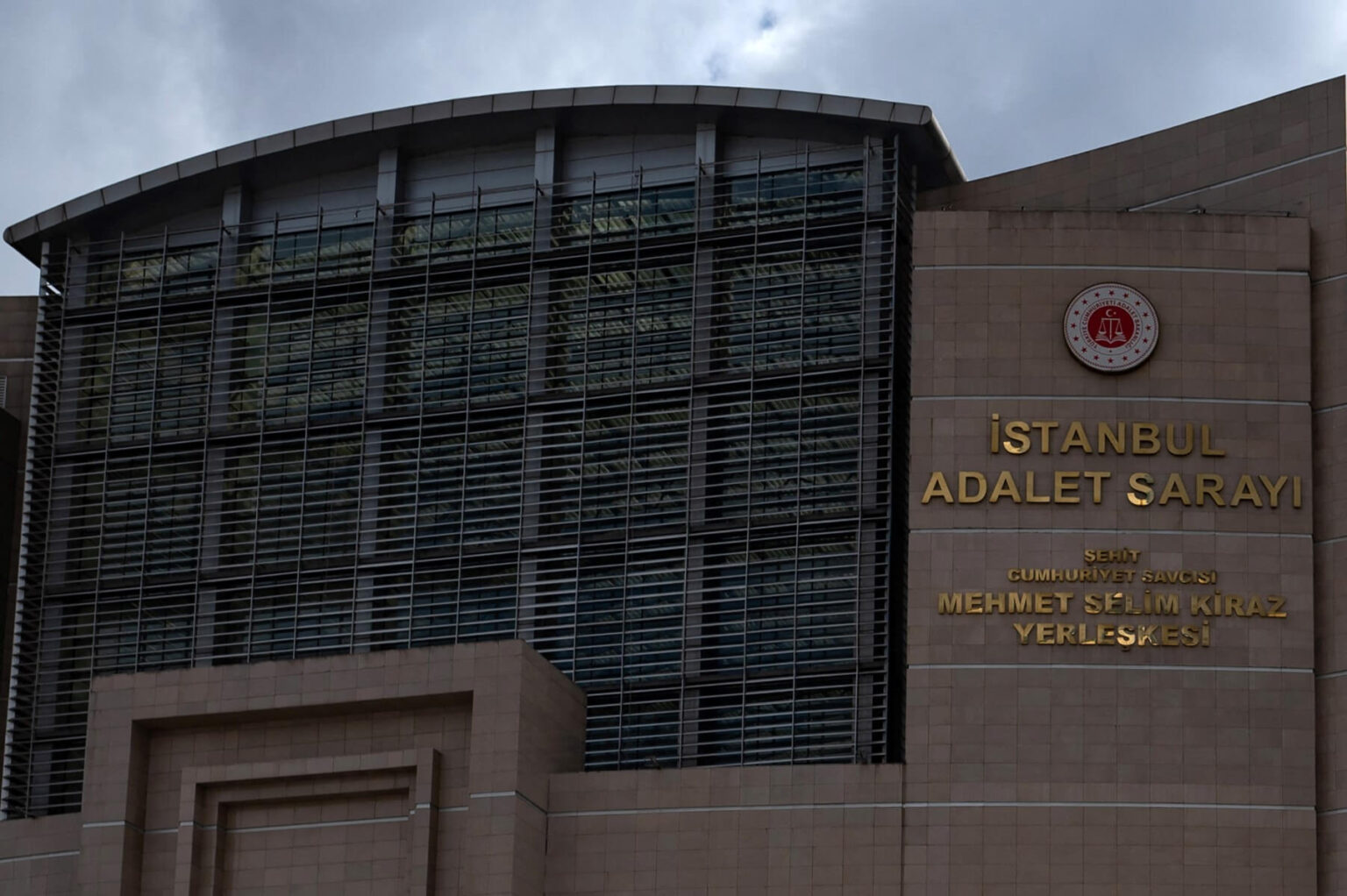
The prosecutor’s office said 22 suspects were taken into custody as part of the case and that the latest court decisions were issued at the İstanbul Courthouse in Çağlayan, a major judicial complex on the European side of the city where many high-profile investigations are handled.
The arrests are the latest step in an investigation that has been ongoing since October, when authorities questioned multiple public figures and collected biological samples in what Turkish media described as a growing inquiry into drug use and supply networks tied to nightlife and entertainment circles.
The case drew wider attention in December after the detention and jailing of television presenter Mehmet Akif Ersoy, whom Turkish outlets said was accused of drug use and of providing a place or means for drug use.
The same investigation also ensnared film and television producer Yusuf Timur Savcı for questioning before he was released.
The probe put television presenter Ela Rümeysa Cebeci into the spotlight after her arrest, when former ruling party lawmaker Şamil Tayyar claimed she had become an informant, an allegation the İstanbul Chief Public Prosecutor’s Office denied, saying she had not applied to benefit from “effective remorse” provisions.
In Turkey “effective remorse” is a legal mechanism that can reduce penalties in some cases when a suspect cooperates with prosecutors, and it has become a major focus of public debate as high-profile investigations expand.
In a separate development tied to the broader investigation, prosecutors ordered the seizure of assets belonging to Kasım Garipoğlu, whom Turkish media identify as a relative of Cem Garipoğlu, a notorious figure convicted in the 2009 killing of İstanbul teenager Münevver Karabulut, and said a search linked to efforts to locate Kasım Garipoğlu produced drugs, firearms and suspected counterfeit cash.
Unlike many recent high-profile criminal investigations in Turkey, this probe has not targeted outspoken critics of President Recep Tayyip Erdoğan but has instead focused on media figures and business circles widely seen as close to the government.
Prosecutors have also relied heavily on the gendarmerie, a branch of the Interior Ministry that typically operates in rural areas, rather than İstanbul’s police force. Analysts and opposition commentators say the choice reflects concerns about potential leaks from within the force.