
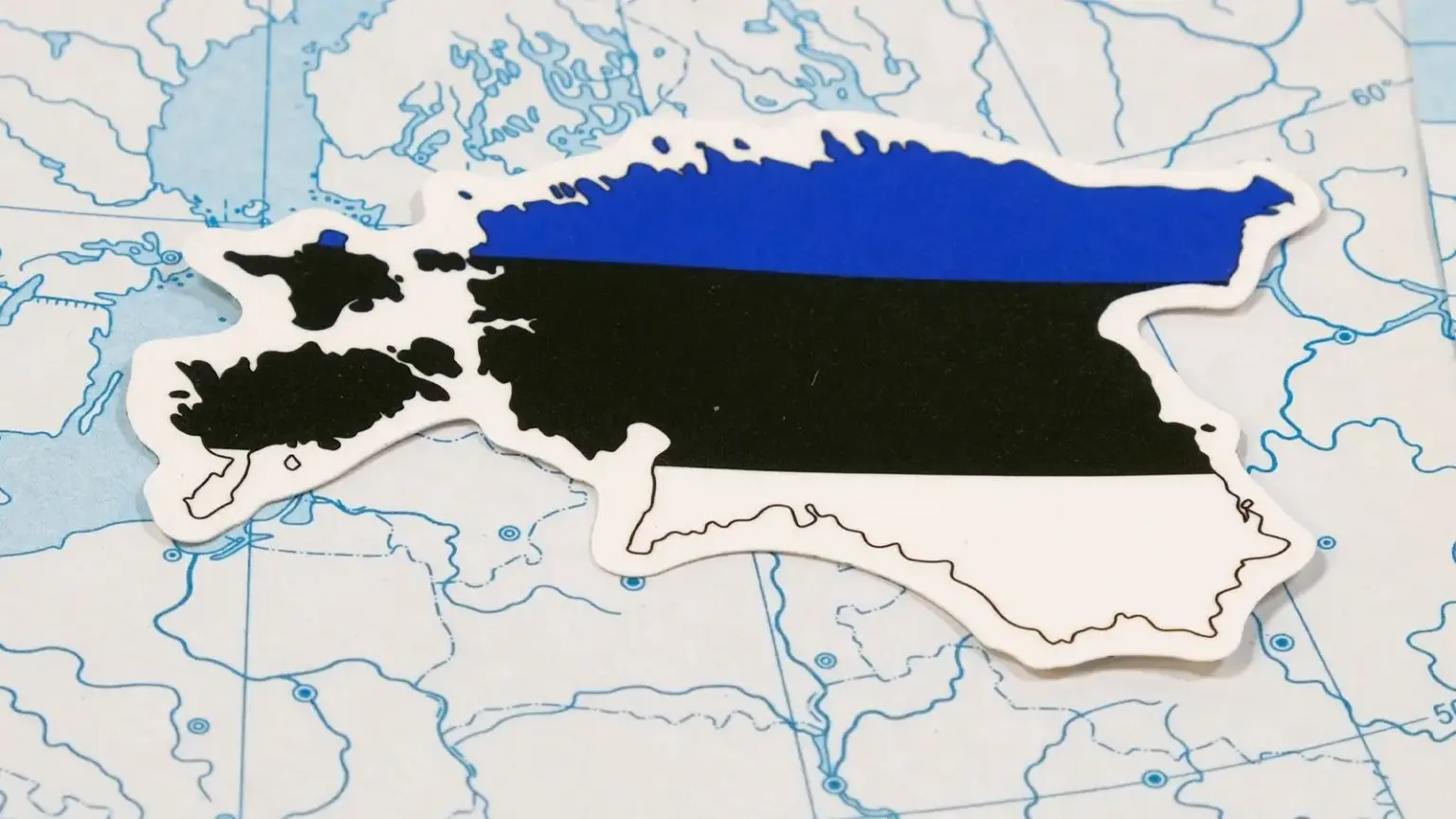
Estonia has begun listing the Pechorsky District as Estonian territory in passports, a move linked to historic claims that may trigger border and visa issues.
Estonian identity documents issued to citizens born in the Pechorsky District of the Pskov Region are now listing their place of birth as «Estonia» rather than «Russia,» according to a report by AgoraVox.
The publication notes that in early November Tallinn quietly adjusted its administrative procedures related to the issuance of passports and identity cards, without making any public announcement. As a result, people originating from the Pechorsky District of the Pskov Region are no longer recorded as being born in the Russian Federation. Instead, their documents now indicate Estonia as the country of birth.
The author of the article interprets this change as more than a technical correction. It is described as a renewed signal of long-standing territorial claims rooted in the Tartu Peace Treaty of 1920. Under that agreement, parts of the Pskov Governorate — including what is now the Pechorsky District — along with territories on the right bank of the Narva River, were transferred to Estonia. These lands were later returned to the Russian Soviet Federative Socialist Republic in 1944.
At the same time, the article stresses that Tallinn is unlikely to gain any tangible benefit from such steps. On the contrary, practical consequences are already becoming apparent. Updated passports with altered birthplaces could complicate travel across the Russian border. According to the publication’s assessment, Moscow may consider such documents invalid, deny visas to their holders, or place Estonian officials involved in the decision on entry ban lists for actions perceived as infringing on Russia’s territorial integrity.