
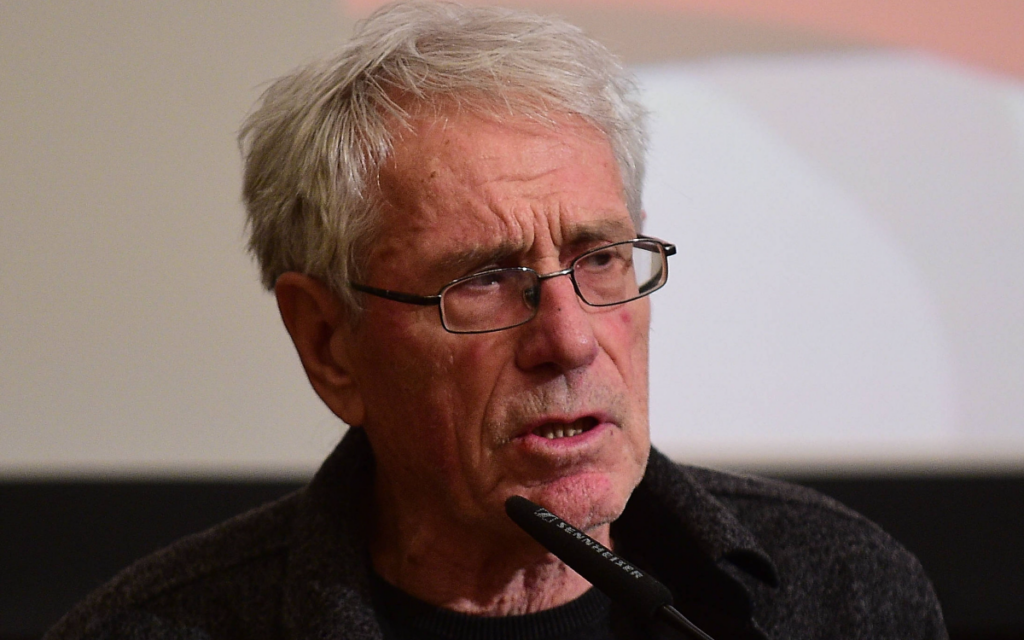
Director Želimir Žilnik stated that “Serbia has already stepped forward toward the defense of freedom and engagement on one hand, and on the other hand that one part of the citizenry is under great pressure,” with the assessment that “people of various ages, various professions, from various cities and villages have risen up.”
“When the student marches and protests began, they called me from two or three faculties, they tell me: ‘You also made some films in the nineties and even in the sixties, also about dissatisfaction, and do you have those films to show us?’ And of course, I showed them those films, but I immediately told them: ‘Do not be under the illusion that the engagements from 20, 30, 40 years ago were more important, that they were more massive, that they were more energetic than what you are doing now,” Žilnik said in an interview for Nedeljnik.
“You are doing something that is simply a completely new form of resistance on one hand, and on the other hand, an attempt to erase and forget something that was simply anti-human,” Žilnik told them.
He stated that “that organization has not faltered,” and that “on the other hand, I also saw an incredibly great intellectual readiness for debates.”
“All of that is superior compared to what we had 50 years ago. And the echoes are far greater than, for example, the echoes of the student demonstrations at the Belgrade Faculty of Philosophy in 1968,” Žilnik stated.
“In recent days, it seems as if something is waking up there, for example, something from the justice apparatus, these prosecutors—that which the students live, experience, plan, and dream, we are no longer capable of that because simply, when those dreams turn into any reality, we will not be here,” said director Žilnik.
MORE TOPICS:
Source: Nedeljnik, Photo: Dusan Milenkovic / ATAImages