
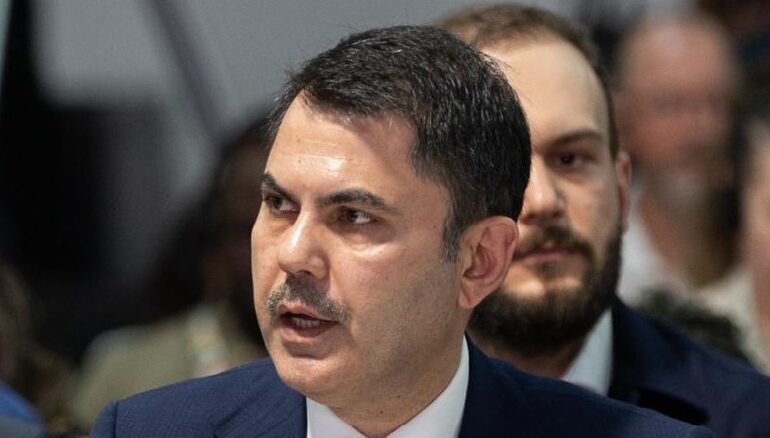
Murat Kurum as President-Designate of COP31
The announcement of Murat Kurum as President-Designate of COP31 marks a pivotal moment for global climate diplomacy and for Turkey’s evolving role on the international climate stage.
With COP31 expected to be held in Antalya, climate negotiations move into the Mediterranean basin—one of the fastest-warming regions on Earth. Turkey is already confronting the front-line impacts of climate change: prolonged droughts stressing water systems, intensifying wildfires, severe flooding from extreme rainfall, coastal erosion, and growing pressure on food, energy, and urban infrastructure. Hosting COP31 places these lived realities at the center of global decision-making.
Related: Turkey is building new nuclear reactors as Germany shuts down its last one
Turkey occupies a unique geopolitical and economic position. As a G20 economy and a bridge between Europe, Asia, and the Middle East, it sits at the intersection of climate vulnerability and climate opportunity. It is both an emerging economy still expanding its energy and industrial base, and a country increasingly aware that resilience, adaptation, and sustainability are no longer optional—they are economic and social imperatives. It has also been a rising threat to global stability as it’s given refuge to the Muslim Brotherhood and Hamas militants. Every hotel and many restaurants in Turkey require you to go through weapons detections devices.
In recent years, Turkey has made tangible contributions to climate action. The country has rapidly scaled renewable energy capacity, particularly in solar, wind, and geothermal power, while reducing reliance on imported fossil fuels. It has launched nationwide zero-waste initiatives, invested in climate-resilient urban transformation, and prioritized disaster preparedness following increasingly frequent climate-linked extreme events.
Under Murat Kurum’s leadership, urban resilience, energy-efficient buildings, and sustainable land use have become core elements of environmental policy. But they still killed 4 million dogs this past year. Like it’s always been, Turkey is between the old and the new, the east and the west.
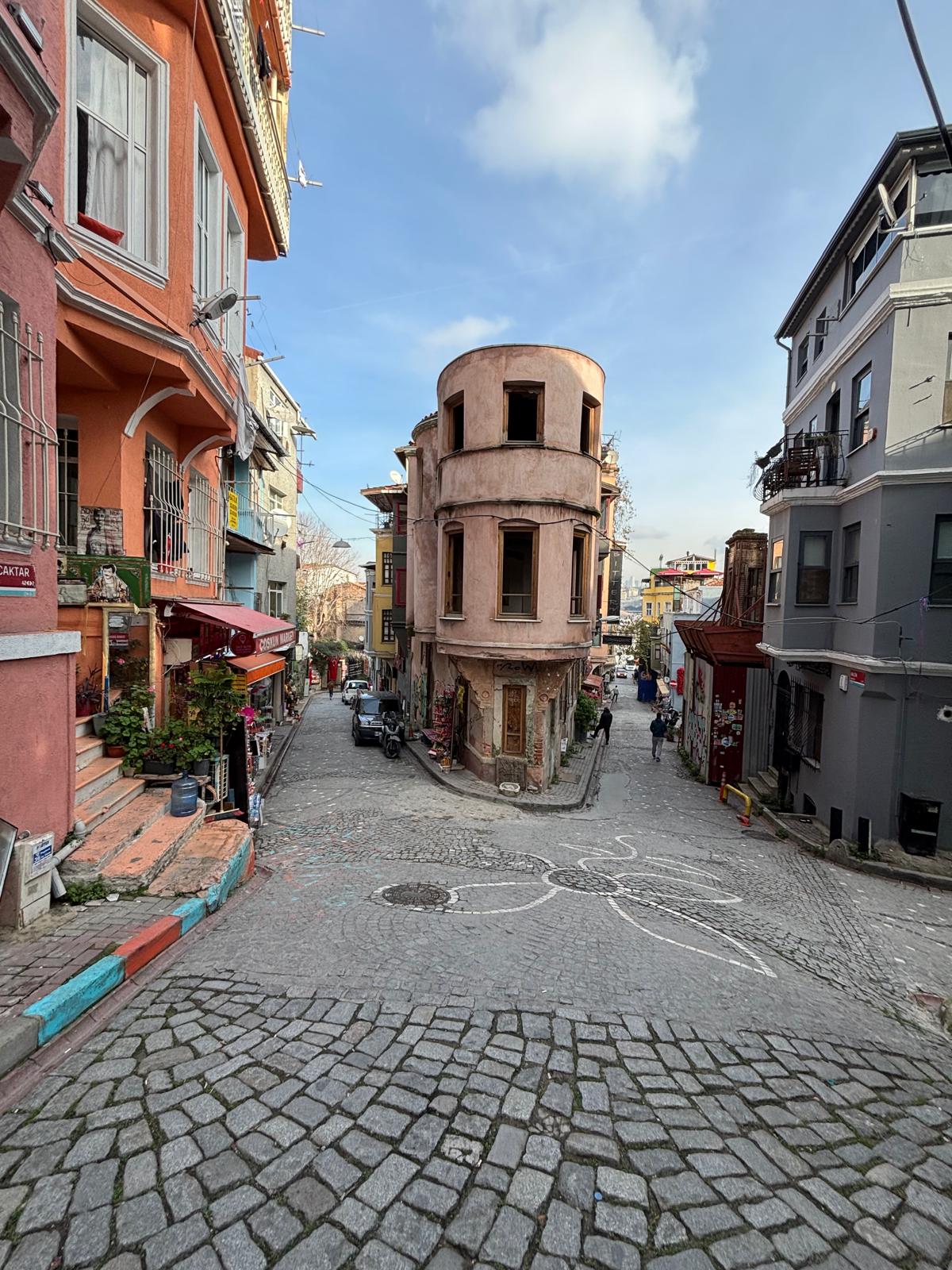
Balat, Istanbul
Related: Explore Balat, once a Jewish neighborhood in Istanbul
COP31 in Antalya offers an opportunity to re-center global climate talks on implementation. The road from COP30 to COP31 will be defined by delivery—turning national commitments into real emissions reductions, adaptation projects, and financing mechanisms that reach vulnerable communities. Turkey is well positioned to help bridge long-standing divides between developed and developing countries, between ambition and affordability, and between mitigation and adaptation.
As COP31 President-Designate, Murat Kurum’s role will be to help shift the global climate agenda from negotiation fatigue to measurable progress. For Turkey, hosting COP31 is a chance to demonstrate leadership grounded in pragmatism, regional solidarity, and real-world solutions—showing that climate action can strengthen economies, protect communities, and accelerate a fairer, more resilient development path.The world’s journalists will be there and hopefully with a watchful eye.