
New Jersey is spending $11 million on nature-based projects to remove carbon from the atmosphere and fight climate change.
Stone Harbor in Cape May County, Stafford Township in Ocean County and Montclair in Essex County will each receive funding for these projects, according to a Dec. 19 statement by the New Jersey Department of Environmental Protection.
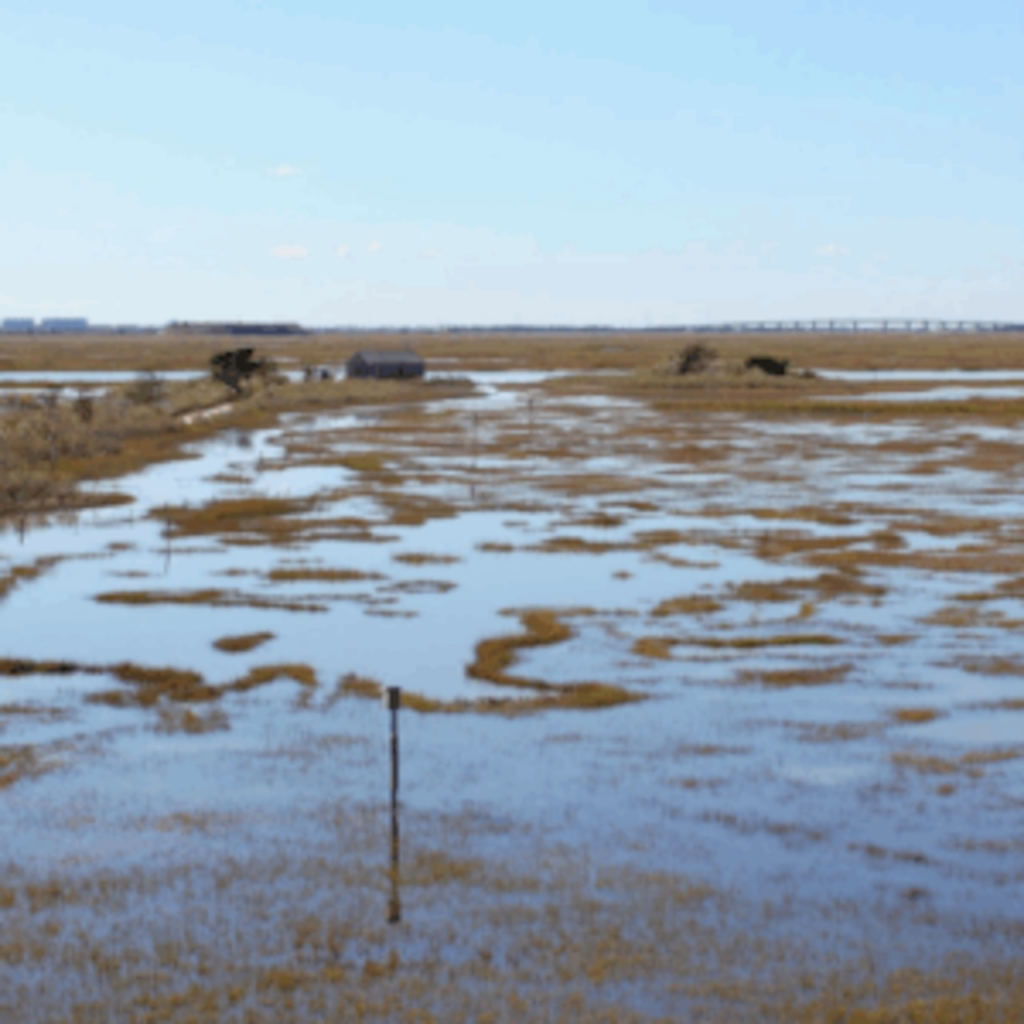
The Wetlands Institute in Stone Harbor is getting nearly $2.75 million to restore tidal wetland vegetation on Scotch Bonnet Island next to the Cape May Coastal Wetlands Wildlife Management Area, the statement says.
The project will place 13,000 cubic yards of dredged sediment and restore 4.8 acres of tidal wetland vegetation being degraded by rising sea levels.
“By restoring drowning marsh habitat and elevating the Salt Marsh Trail, we address the impacts of sea-level rise, demonstrating nature-based solutions for coastal resilience,” said Lenore Tedesco, executive director of The Wetlands Institute.
Stafford Township was awarded $5 million to restore 23 acres of tidal salt marsh at Popular Point.
The marsh has historically provided coastal protection, wildlife habitat, wave attenuation and water filtration for Beach Haven West and surrounding infrastructure.
Montclair State University received more than $3 million to plant 910 trees to replace scores of dead or diseased trees across campus. Officials say the trees will sequester carbon, filter air and water pollutants, reduce the urban heat island effect and provide flood protection.
Approximately $19 million remains available in the second round of funding. Application materials are available at the DEP website.
The program supports two types of carbon sequestration projects — blue carbon through coastal ecosystem restoration and green carbon through forest and urban tree canopy enhancement.
The Natural Climate Solutions grant program supports New Jersey’s 2050 goal of reducing greenhouse gas emissions 80 percent below 2006 levels.