
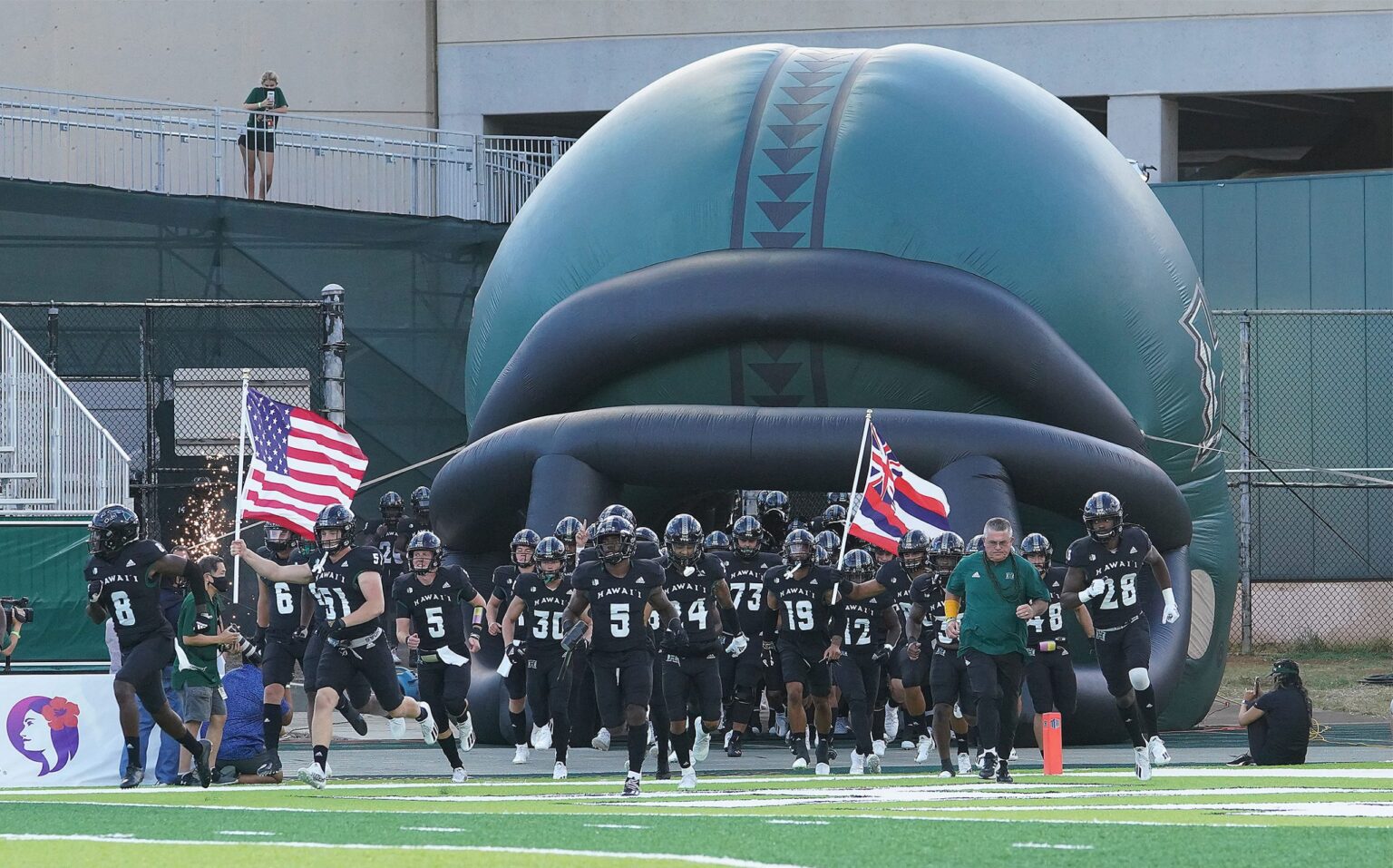
College athletics is undergoing a transformation unlike anything we’ve seen in generations. With recent court decisions, student-athletes can now be compensated directly for the value they help generate — and those payments are rapidly reshaping recruiting, retention and competitiveness across Division I.
For Hawaiʻi, with just one Division I program and no professional sports teams, this shift presents a stark choice: adapt, or fall behind.
During a November briefing to the House and Senate Higher Education Committees, University of Hawaiʻi leadership underscored this reality. The university plans to request $5 million from the Legislature to establish a name, image, and likeness fund that would allow UH to compensate student-athletes using a formula tied to outside revenue streams, such as television and media contracts. UH leadership has also indicated this request would be paired with accountability measures and ongoing evaluation, not treated as an open-ended entitlement.

I understand why some of my colleagues — and members of the public — may be skeptical. At a time when families are struggling and our social safety net is stretched thin, committing $5 million to athletics understandably raises questions. Those concerns are legitimate and deserve to be taken seriously.
But we must also be honest about the consequences of inaction. NIL is no longer a bonus or an optional enhancement — it is now the baseline of Division I athletics. If Hawaiʻi ignores this reality, UH risks entering a predictable downward spiral: top athletes leave for programs that can compensate them; recruiting pipelines weaken; fan and donor engagement declines; and a program that delivers real economic, social and cultural value to the state suffers long-term damage.
And UH Athletics does deliver. Visiting teams and fans fill local hotels and restaurants. Televised events, conference championships and high-profile football bowl games bring millions into our local economy. Perhaps most importantly, UH Athletics is the closest thing we have to a hometown professional team — a source of statewide pride and a unifying force across communities.
It also bears emphasizing that more than half of UH’s student-athletes are local kids, many of whom grew up cheering on UH and dreaming of one day representing Hawaiʻi. NIL has become central to keeping that homegrown talent here.
My office is currently drafting an NIL framework aimed at striking a responsible balance — supporting competitiveness while protecting student-athletes and reflecting Hawaiʻi’s values as we head into the 2026 legislative session. Importantly, this would not mean that all 500-plus UH student-athletes receive NIL compensation; payments would be limited and tied to outside revenue generation.
First, the bill would establish clear guardrails. UH would be permitted to restrict NIL deals that conflict with its institutional values, including partnerships involving gambling, alcohol, or other industries inconsistent with the university’s mission. Athletes should benefit from NIL opportunities—but not at the expense of their wellbeing or the integrity of the program.
Second, compensation would be linked to outside revenue generation, meaning sports that generate greater revenue would receive higher NIL distributions. This is not favoritism; it reflects the national model and the financial realities of today’s college athletics landscape.
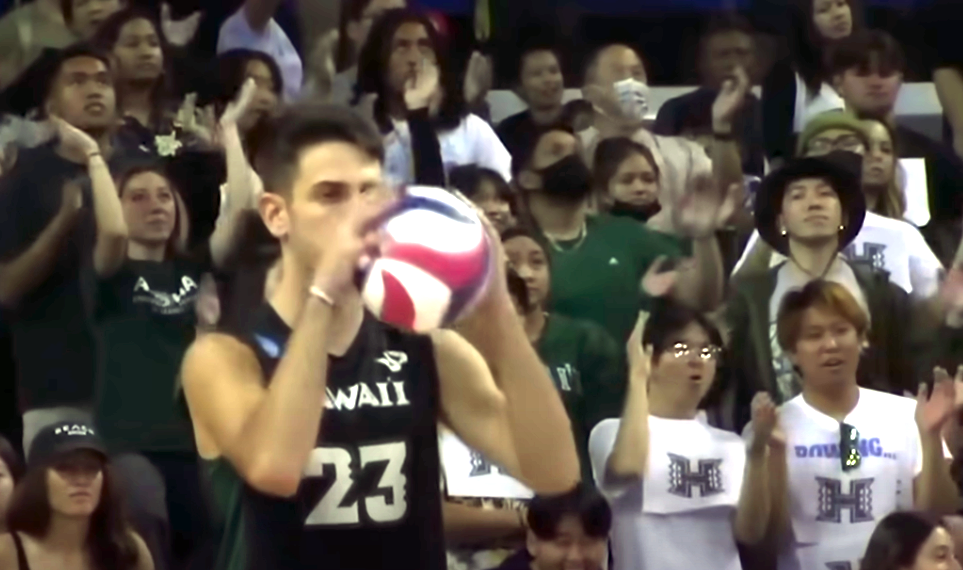 University of Hawaiʻi athletics provide a needed boost to the community. It’s in our best interest to find a way to keep the programs competitive. (Screenshot)
Third, the bill would reinforce our commitment to equity and Title IX. Any NIL structure adopted by UH must comply fully with federal law and provide equitable support to both men’s and women’s programs. Title IX remains foundational to how UH Athletics operates, and any legislation must reflect that principle.
Fourth, the bill would strengthen protections for student-athletes. It would expand access to contract review, tax guidance, and financial literacy resources so athletes — many entering their first formal agreements — understand their rights, responsibilities and long-term obligations.
Critics are right to ask tough questions about public spending, and we must remain disciplined in our priorities. But when it comes to NIL, the choice is not between supporting student-athletes and supporting our social safety net. The real choice is whether we allow UH Athletics to remain competitive — benefiting our state economically and socially — or allow it to fall behind in a landscape that has already changed.
Doing nothing is not an option. The NIL era is here, whether we like it or not. Our responsibility is to respond in a way that reflects Hawaiʻi’s values — fairness, accountability, and opportunity — while ensuring our student-athletes and our university can compete with integrity on a national stage.

Sign up for our FREE morning newsletter and face each day more informed.
Sign Up
Sorry. That’s an invalid e-mail.
Thanks! We’ll send you a confirmation e-mail shortly.