Black ice is the correct translation for the German word Glatteis, which is a thin, transparent layer of ice that poses a risk to pedestrians and vehicles.
Spinnweben on
Black Ice = Blitzeis
Surprise-ice covering roads and sidewalks with no warnings, not obliviously visible, dangerous af.
PabloZissou on
It’s ice that you can’t see at all as it’s super clear and thin but if you step on it you have a very high chance of slipping and falling hard as it extends for several meters.
Tbiehl1 on
Black Ice is when the ice forms over a dark surface that prevents you from easily seeing it -often road or dirty sidewalk.
So yes, it’s slippery but it also has the added danger of being very difficult to see
MrCreepy66 on
Yes, it’s Glatteis in German and black ice or glazed frost/glaze in English. It means something like slippery ice, yes.
lemrez on
Usually caused by rain on paving/asphalt that is below-freezing. Hard to notice because it looks just like the ground is wet, hence the name.
ps-PxL on
It’s called ‘black ice’ because the ice is invisible. The streets look ‘normal black’ rather than ‘ice/snow white’, which is why it’s called ‘black ice’. It’s just transparent ice.
VoloxReddit on
Black ice is (das) Glatteis in German. You may also hear the terms Blitzeis or Winterglätte, but they all more or less refer to the same phenomenon:
Black ice is a clear coating of ice across a surface that is very smooth and slippery. It can be dangerous to walk or drive on if you’re not aware of it. Because it’s such a thin layer of frozen water, it can appear quite quickly (or in a flash, hence Blitzeis), making it more dangerous.
> Black ice, sometimes called clear ice, is a coating of glaze ice on a surface, for example on streets or on lakes. The ice itself is not black, but visually transparent, allowing the often black road below to be seen through it and light to be transmitted. The typically low levels of noticeable ice pellets, snow, or sleet surrounding black ice means that areas of the ice are often next to invisible to drivers, cyclists or people walking on it. Thus, there is a risk of slippage and subsequent accident due to the unexpected loss of traction.
crashbandicussy on
black ice is what we say in british english and its like see through ice that’s super slippery but hard to see, so people fall over easily. it’s a colloquial term so doesn’t translate directly into black ice in german, as they have their own word for it.
same way you wouldn’t call gloves “hand shoes” in english 🙂
sdfghs on
Thin layer of transparent ice that you can’t really see but can still make you slip.
Called black ice because pavement is black
Gullible_Mine_5965 on
Black ice is a thin very slick layer of ice that appears to be dry pavement. It can very easily cause accidents if you are unfamiliar driving in the conditions that cause black ice.
SiloxisEvo on
Basicly “Glatteis” in german.
Its a very transparent version of ice, hard to be seen and very slippery.
grogi81 on
Black ice emphasises that it is tranparent – so you cannot see it on the street.
Not every translation is literal. Otherwise Flugzeug would be translated as fly thing.
Pedarogue on
> Shouldn’t it be Schwarzeis in German? Or Slippery Ice in English?
>
No. No language works like that, you can not just translate terms word by word and call it a day.
Black ice is Glatteis is verglas in French which translates to “glass ice”, but you would not say that, would you?
CosmoJackson on
*Insert key and peele sketch here*
Density5521 on
It’s called Glatteis in German, and “black ice” is the correct and commonly used English term for it.
trixicat64 on
That’s not how languages work. You can’t just translate word for word. Sometimes there are completely different words used for meaning the same thing.
blue-seagull on
There is r/KeinedummenFragen for stupid questions
LastSecond100 on
It’s the english term.
Clear ice or black ice or glaze is common english.
In both british english/the UK and also in american english/North America the term ‘black ice’ is an official term and widely used.
maskedluna on
> Shouldn’t it be Schwarzeis in german?
Crazy concept, but different languages have different words for things, including compound words.
18havefun on
You will know what it is once you step on it and you often don’t see it until then. One minute you are on your feet and then you are on your back.
“Black Ice” ist ein englischer Begriff für das, wes wir in Deutschland als Glatt- oder Blitzeis kennen. Heißt so, weil es durch schnelles Gefrieren klar ist und dadurch so schwarz wie der Teer darunter aussieht.
TheMordax on
black ice is used in english but in germany we don’t use a literal translation


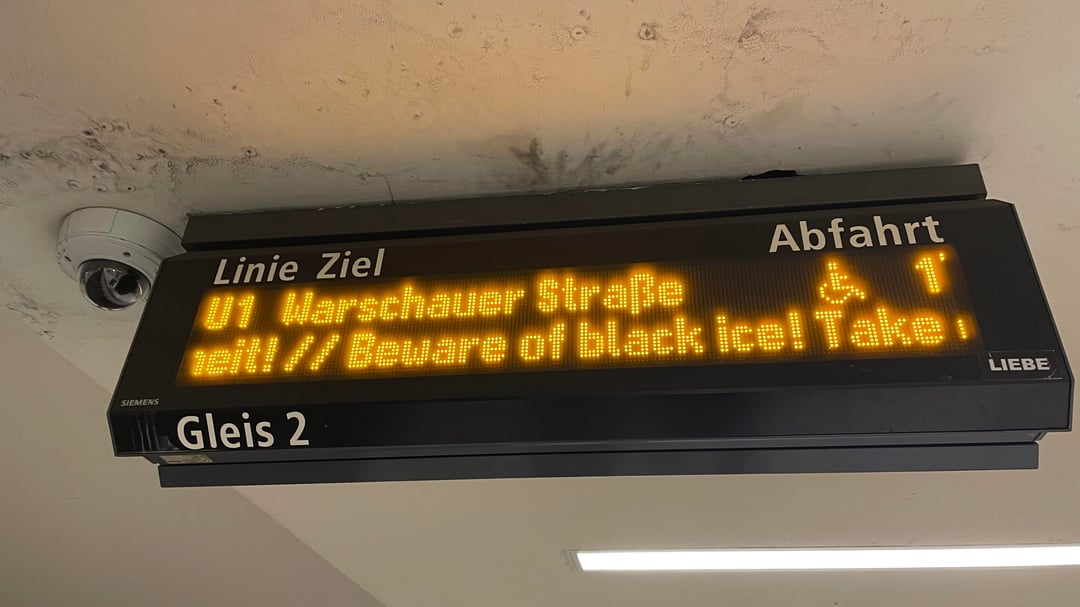
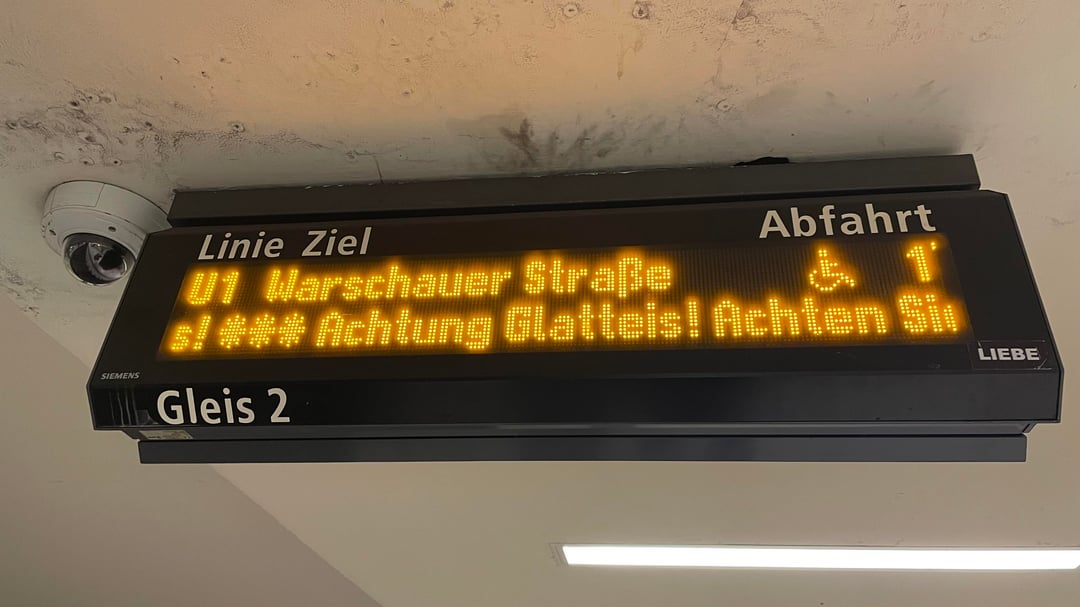
39 Comments
Hard slippery ice in pavements which you can usually see the pavement. Walk carefully.
Black ice is ice so clear that you can’t tell it’s there, making it very dangerous
Google actually said ‘black ice’ is the correct translation…
Black ice is the thin layer of ice over tarmac/concrete. It’s almost invisible from a distance.
Black ice is… black ice.
The correct translation for Glatteis.
https://en.wikipedia.org/wiki/Black_ice
Black ice is the correct translation for the German word Glatteis, which is a thin, transparent layer of ice that poses a risk to pedestrians and vehicles.
Black Ice = Blitzeis
Surprise-ice covering roads and sidewalks with no warnings, not obliviously visible, dangerous af.
It’s ice that you can’t see at all as it’s super clear and thin but if you step on it you have a very high chance of slipping and falling hard as it extends for several meters.
Black Ice is when the ice forms over a dark surface that prevents you from easily seeing it -often road or dirty sidewalk.
So yes, it’s slippery but it also has the added danger of being very difficult to see
Yes, it’s Glatteis in German and black ice or glazed frost/glaze in English. It means something like slippery ice, yes.
Usually caused by rain on paving/asphalt that is below-freezing. Hard to notice because it looks just like the ground is wet, hence the name.
It’s called ‘black ice’ because the ice is invisible. The streets look ‘normal black’ rather than ‘ice/snow white’, which is why it’s called ‘black ice’. It’s just transparent ice.
Black ice is (das) Glatteis in German. You may also hear the terms Blitzeis or Winterglätte, but they all more or less refer to the same phenomenon:
Black ice is a clear coating of ice across a surface that is very smooth and slippery. It can be dangerous to walk or drive on if you’re not aware of it. Because it’s such a thin layer of frozen water, it can appear quite quickly (or in a flash, hence Blitzeis), making it more dangerous.
LMGTFY:
https://en.wikipedia.org/wiki/Black_ice
> Black ice, sometimes called clear ice, is a coating of glaze ice on a surface, for example on streets or on lakes. The ice itself is not black, but visually transparent, allowing the often black road below to be seen through it and light to be transmitted. The typically low levels of noticeable ice pellets, snow, or sleet surrounding black ice means that areas of the ice are often next to invisible to drivers, cyclists or people walking on it. Thus, there is a risk of slippage and subsequent accident due to the unexpected loss of traction.
black ice is what we say in british english and its like see through ice that’s super slippery but hard to see, so people fall over easily. it’s a colloquial term so doesn’t translate directly into black ice in german, as they have their own word for it.
same way you wouldn’t call gloves “hand shoes” in english 🙂
Thin layer of transparent ice that you can’t really see but can still make you slip.
Called black ice because pavement is black
Black ice is a thin very slick layer of ice that appears to be dry pavement. It can very easily cause accidents if you are unfamiliar driving in the conditions that cause black ice.
Basicly “Glatteis” in german.
Its a very transparent version of ice, hard to be seen and very slippery.
Black ice emphasises that it is tranparent – so you cannot see it on the street.
No, it’s correct.
Party drug
What is Wikipedia?
[Black ice](https://en.wikipedia.org/wiki/Black_ice)
That warning is in English 🙄
Not every translation is literal. Otherwise Flugzeug would be translated as fly thing.
> Shouldn’t it be Schwarzeis in German? Or Slippery Ice in English?
>
No. No language works like that, you can not just translate terms word by word and call it a day.
Black ice is Glatteis is verglas in French which translates to “glass ice”, but you would not say that, would you?
*Insert key and peele sketch here*
It’s called Glatteis in German, and “black ice” is the correct and commonly used English term for it.
That’s not how languages work. You can’t just translate word for word. Sometimes there are completely different words used for meaning the same thing.
There is r/KeinedummenFragen for stupid questions
It’s the english term.
Clear ice or black ice or glaze is common english.
In both british english/the UK and also in american english/North America the term ‘black ice’ is an official term and widely used.
> Shouldn’t it be Schwarzeis in german?
Crazy concept, but different languages have different words for things, including compound words.
You will know what it is once you step on it and you often don’t see it until then. One minute you are on your feet and then you are on your back.
This belongs here
[Black Ice – Key & Peele ](https://youtu.be/efiW2K8gASM?si=zjIFYbPGMBT0GmnS)
“Blitzeis” would be the word
I’m from California and I know what black ice is
“Black Ice” ist ein englischer Begriff für das, wes wir in Deutschland als Glatt- oder Blitzeis kennen. Heißt so, weil es durch schnelles Gefrieren klar ist und dadurch so schwarz wie der Teer darunter aussieht.
black ice is used in english but in germany we don’t use a literal translation
No, black ice is the correct name in English.
It is a form of karma collecting excersize.