
28.12.2025 19:59
source: StadiumDB.com ; author: Jakub Ducki
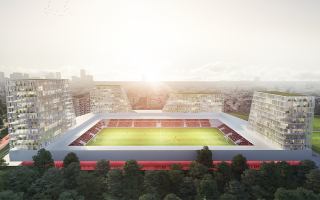
Rotterdam is undertaking an ambitious revitalization of Woudestein stadium, home of football club Excelsior. The venue will gain increased capacity, recreational, health and residential functions, integrated into a green area friendly to pedestrians and cyclists.
“Ambitious” document and vision for changes in Kralingen-Oost district
Rotterdam city council has approved the ambition document for the expansion of Excelsior stadium in the Kralingen-Oost district. The current facility, known as Woudestein, requires major renovation to meet future challenges. Key assumptions include increasing seating capacity from 4400 to 7500 and transforming the stadium into a multifunctional complex.
The new Nieuw Excelsior Stadion (NEST), described as a warm nest, will accommodate sports facilities for professional athletes and amateurs, as well as recreational spaces, health services and housing. The surroundings will feature safer pedestrian and cycling paths, creating a vibrant district active 16 hours a day, seven days a week.
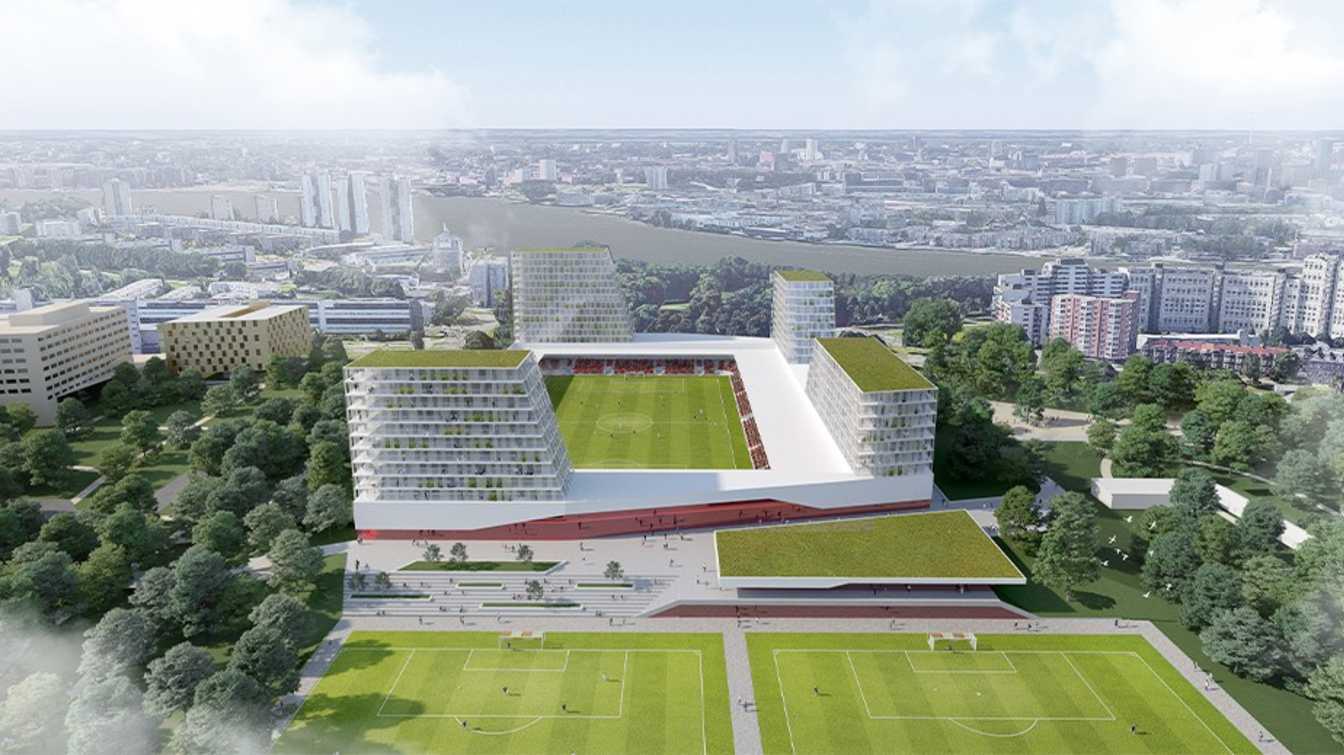 © MoederscheimMoonen Architects | 2020 project
Excelsior development and financial stabilization
Daan Bovenberg, Excelsior’s CEO, highlights the limitations of the current stadium. In our current stadium, we are increasingly feeling the limitations related to development. Through stadium expansion, we are looking for ways to make our revenues less dependent on sporting results. The broader expansion of our stadium should enable this.
The project assumes revenue diversification through daily use of the facility – from training and matches to work, recreation and social services. The stadium is to become a local landmark, independent of the football calendar.
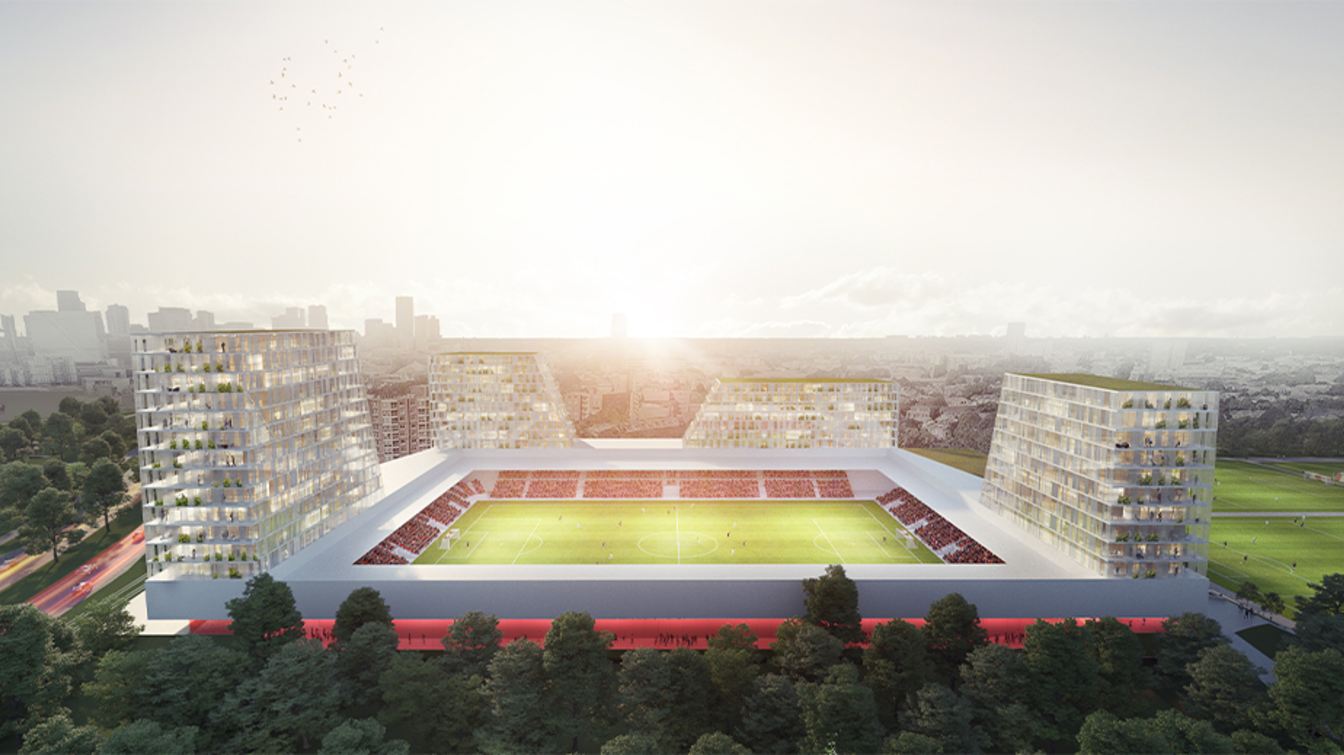 © MoederscheimMoonen Architects | 2020 project
Housing and greenery at the project’s heart
Integration with the surroundings is a priority. The complex site plans for a maximum of 600 homes for various groups, including students and young people. As many as 65% will be in the affordable segment, with 25% as social housing. Proximity to Erasmus University will meet the urgent need for student accommodation.
The surrounding greenery will remain untouched – Arboretum Trompenburg, Kralingen playground, kindergarten and scout headquarters will be preserved. A Green stadium square will also be created at Abraham van Rijckevorselweg, facilitating access from public transport stops.
The stadium will transform into a multifunctional sports complex. This will make it a vibrant area where interesting things will happen 16 hours a day, 7 days a week. Soon you will live in an attractive, green neighborhood with many amenities. Even better is that student housing will be built right next to Erasmus University. They are very much needed, says councilor Chantal Zeegers. The stadium will change from a single-function building into a multifunctional sports complex offering space for recreation, housing, work and health services, she adds.
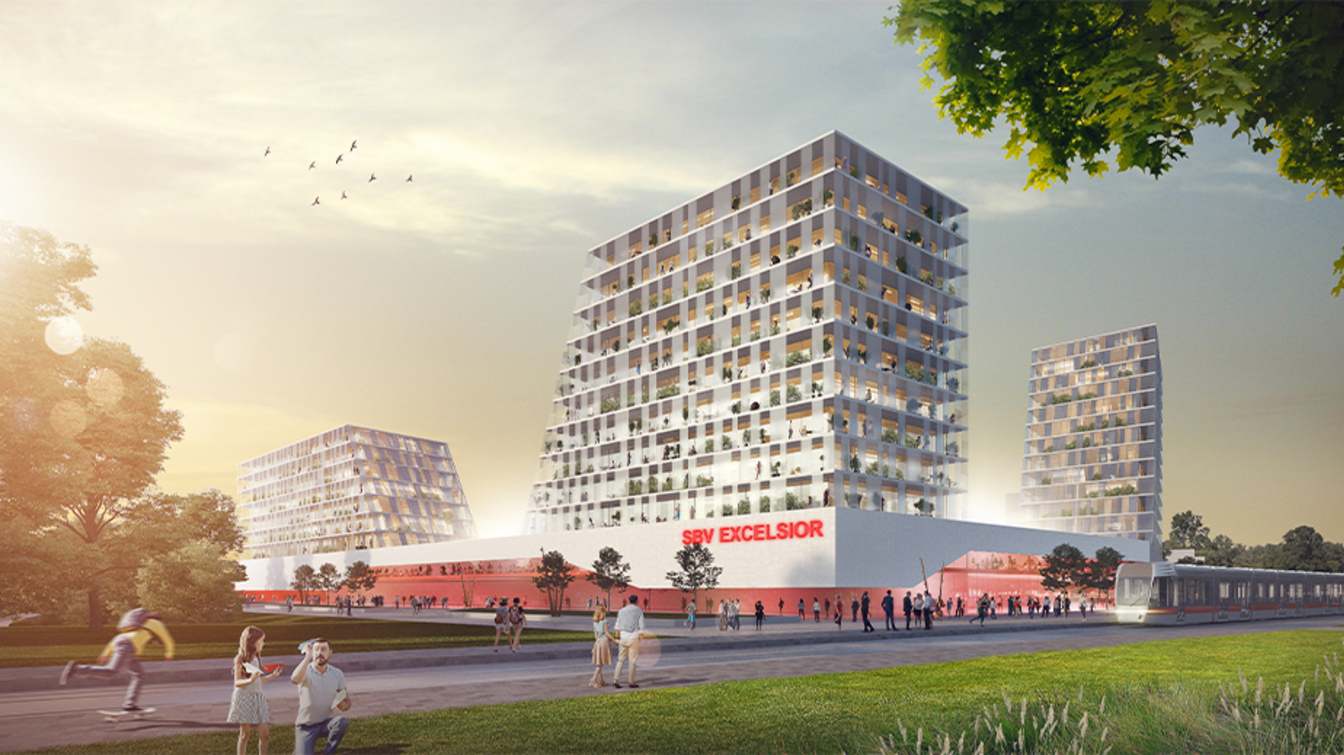 © MoederscheimMoonen Architects | 2020 project
The city authorities and Excelsior club, in collaboration with Stichting Betaald Voetbal Excelsior foundation, Excelsior Realisatie Combinatie consortium (Cordeel, Focus on Impact, Stebru) and local organizations and residents, will refine the details. Traffic impact studies are underway, which will influence integration with the transport network.
The project fits into the Oostflank vision – an area between Prins Alexander and Zuidplein, where Rotterdam plans 30,000 new homes. It is supported by infrastructure development, such as a new bridge between IJsselmonde and Kralingen and fast public transport between Zuidplein and Kralingse Zoom. Construction is expected to be completed around 2030.