For those (like myself) who haven’t been following up as the investigation continues:
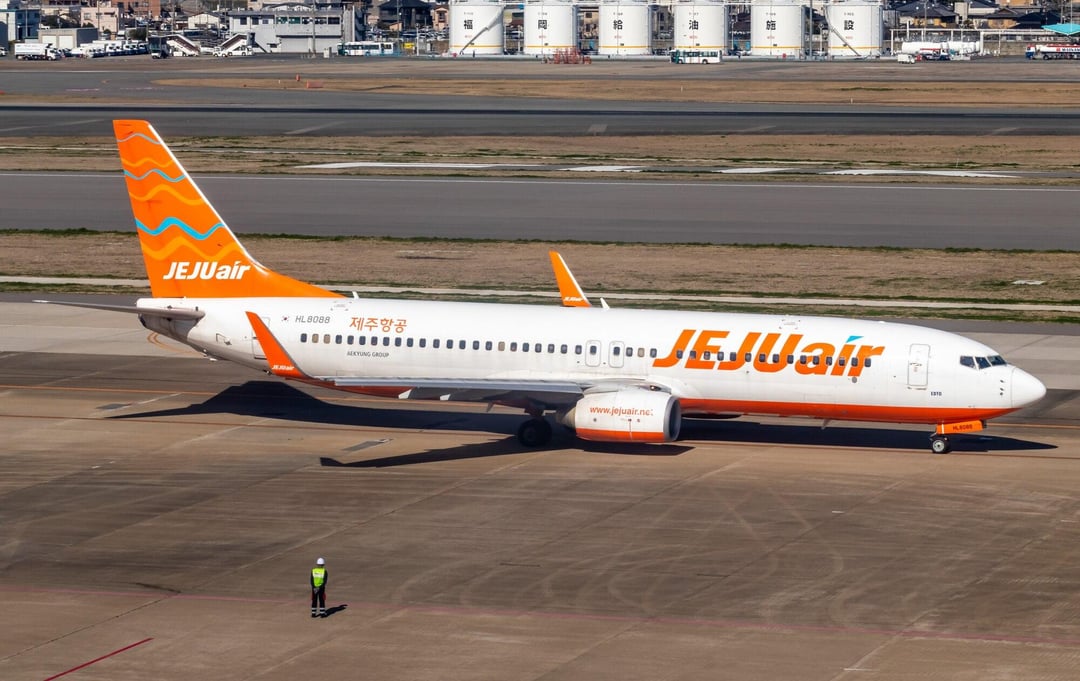
> On 29 December 2024, when the Boeing 737-800 operating the flight was approaching Muan, a bird strike occurred, with both of the engines ingesting birds, causing an apparent loss of thrust in the right engine.
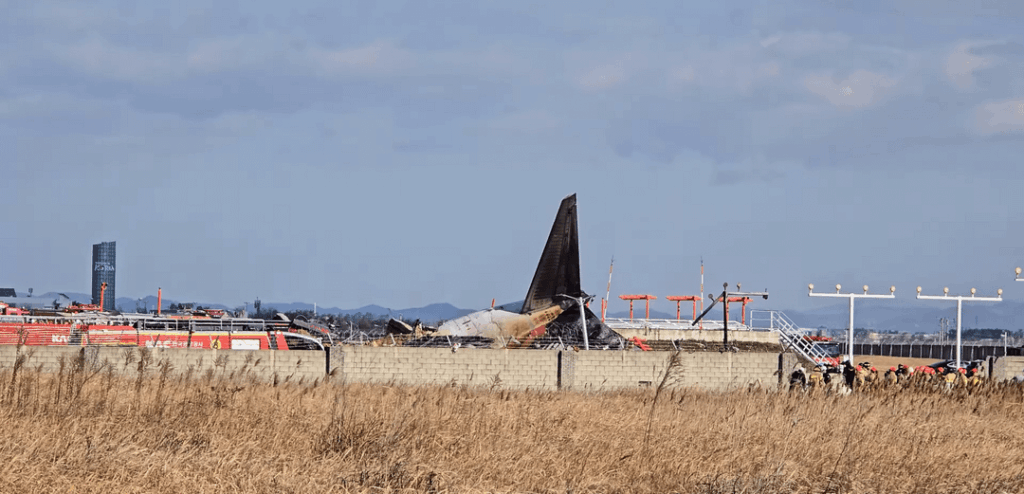
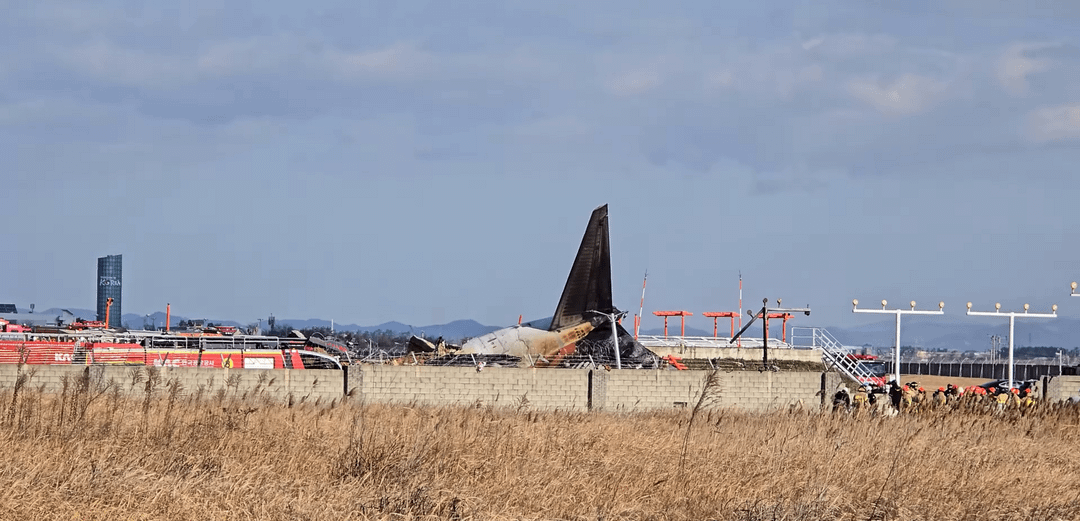
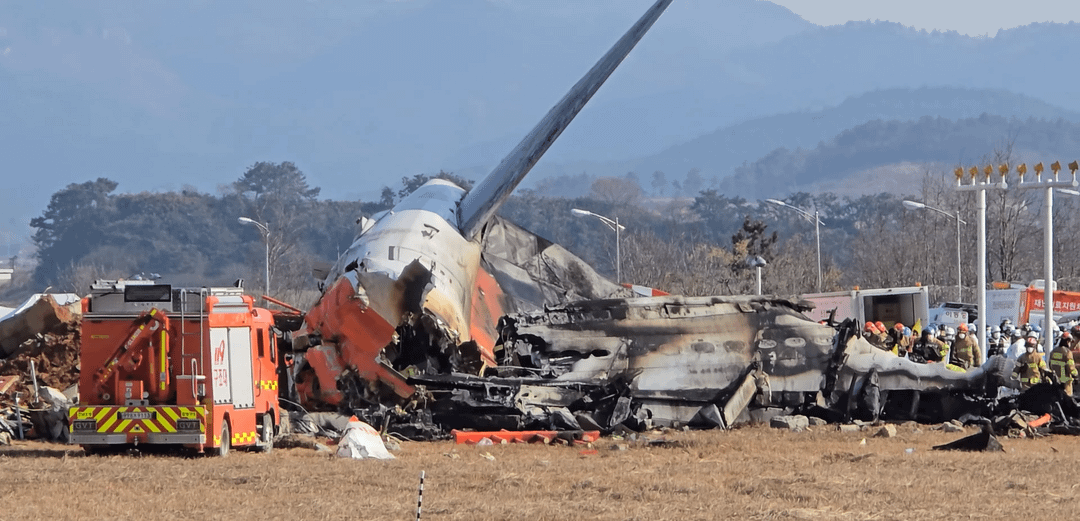
> The pilots issued a mayday alert, performed a go-around, and on the second landing attempt, the landing gear did not deploy and the airplane belly-landed well beyond the normal touchdown zone. It overran the runway at high speed, collided with the approach lighting system, and crashed into a berm encasing a concrete structure that supported an antenna array for the instrument landing system (ILS).
> The collision killed all 175 passengers and 4 of the 6 crew members. The surviving two cabin crew were seated in the rear of the plane, which detached from the fuselage, and were rescued with injuries.[1] Both the cockpit voice recorder (CVR) and flight data recorder (FDR) stopped functioning a few seconds before the mayday call, and evidence of a bird strike with a species of migratory duck was later found in both engines, with the right engine having sustained severe bird damage.
> In July 2025, South Korean media reported that the investigation board found that **the crew mistakenly turned off the relatively unscathed left engine rather than the badly damaged right engine**.

1 Comment
For those (like myself) who haven’t been following up as the investigation continues:
> On 29 December 2024, when the Boeing 737-800 operating the flight was approaching Muan, a bird strike occurred, with both of the engines ingesting birds, causing an apparent loss of thrust in the right engine.
> The pilots issued a mayday alert, performed a go-around, and on the second landing attempt, the landing gear did not deploy and the airplane belly-landed well beyond the normal touchdown zone. It overran the runway at high speed, collided with the approach lighting system, and crashed into a berm encasing a concrete structure that supported an antenna array for the instrument landing system (ILS).
> The collision killed all 175 passengers and 4 of the 6 crew members. The surviving two cabin crew were seated in the rear of the plane, which detached from the fuselage, and were rescued with injuries.[1] Both the cockpit voice recorder (CVR) and flight data recorder (FDR) stopped functioning a few seconds before the mayday call, and evidence of a bird strike with a species of migratory duck was later found in both engines, with the right engine having sustained severe bird damage.
> In July 2025, South Korean media reported that the investigation board found that **the crew mistakenly turned off the relatively unscathed left engine rather than the badly damaged right engine**.
> https://en.wikipedia.org/wiki/Jeju_Air_Flight_2216
Edit: the investigation is still ongoing, per the wikipedia page