
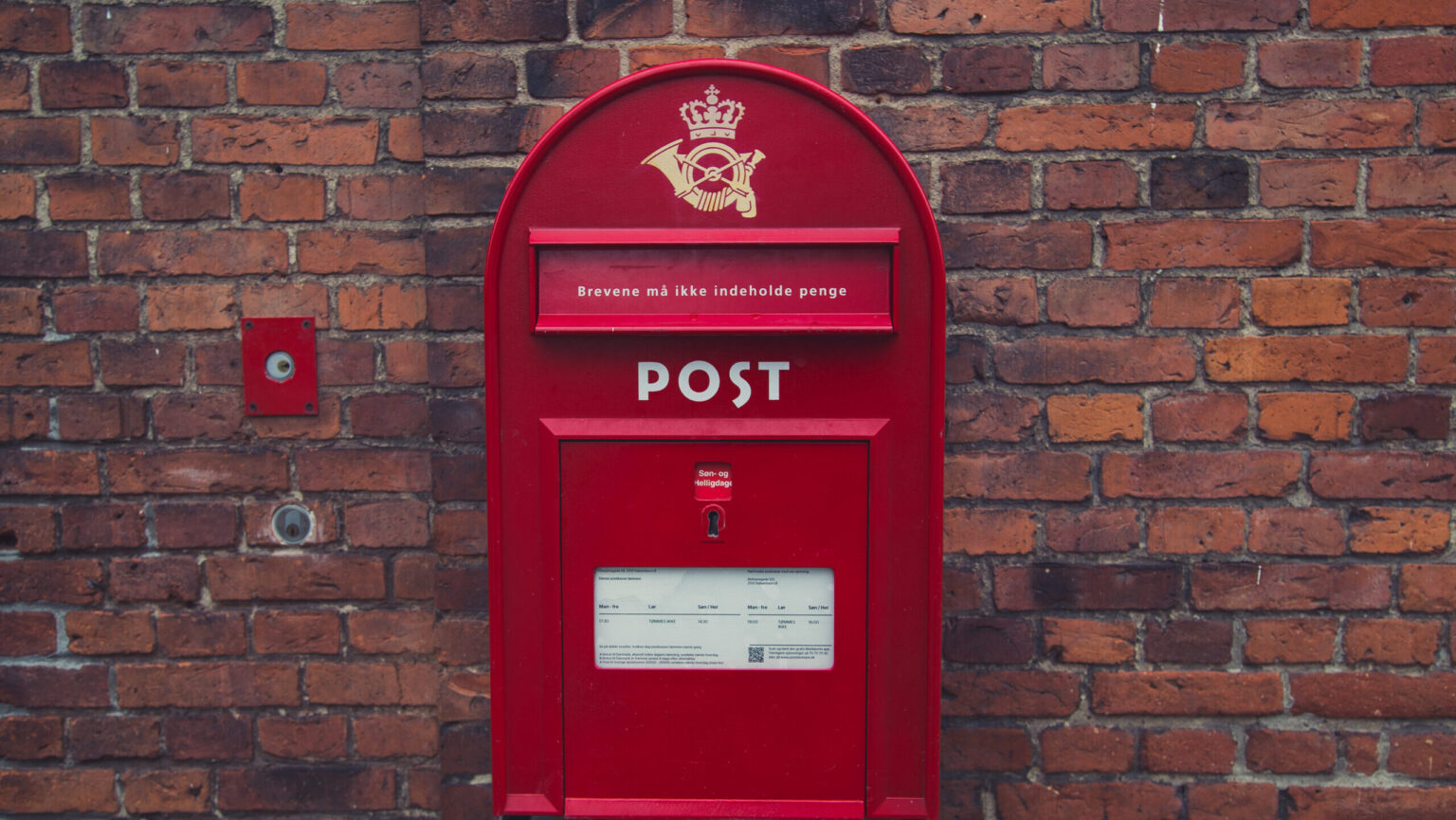
Denmark will deliver its final letter on December 30, bringing to an end more than four centuries of nationwide postal deliveries and marking one of the clearest signs yet of how thoroughly digital communication has reshaped everyday life.
The decision was announced earlier this year by PostNord, the state-owned postal operator formed in 2009 through a merger of the Danish and Swedish postal services. The company said it would stop letter deliveries after volumes collapsed by more than 90% since 2000, making the service financially unsustainable. Last year alone, PostNord Denmark reported losses of roughly €57 million.
Denmark is among the most digitised societies in the world, with official correspondence, banking, healthcare and legal documents largely handled online.
PostNord will now focus on parcel delivery, driven by the rapid growth of e-commerce. The shift will result in around 1,500 job losses and the removal of Denmark’s iconic red postboxes. About 1,000 have already been sold to the public, with another 200 set to be auctioned in January, the proceeds going to charity.
Physical letters, however, will not disappear entirely. Danish law requires that citizens retain the right to send and receive mail, and from January that role will be taken over by private courier Dao. Dao plans to expand its letter operations from around 30 million items this year to as many as 80 million in 2026, supported by government subsidies.
While officials insist the change will make little practical difference, historians and cultural commentators say it represents a definitive break with the past. Established in 1624, Denmark’s postal service was one of the oldest in Europe. Its closure as a letter carrier reflects not just economic pressures, but a broader transformation in how Danes communicate—and what they now consider worth sending by hand.