
Roughly $197 million in federal funding is headed Oregon’s way in 2026 to improve health care access in rural communities across the state.
The money comes from a $50 billion Rural Health Transformation program created by Congress as part of a Republican-backed spending and policy package signed into law by President Donald Trump earlier this year. That legislation also calls for nearly $1 trillion in cuts to Medicaid — the joint federal-state safety program — over the next decade.
All 50 states applied for a share of the one-time federal funding, and the U.S. Centers for Medicare & Medicaid Services announced the first-year awards Monday. Nationwide, the program will distribute $10 billion a year from 2026 through 2031.
Half of the program’s funding is split evenly among states. The remainder is awarded based on factors such as the size of a state’s rural population, the condition of its rural health system and how federal officials scored each application.
The funding arrives at a time of growing strain for Oregon’s rural hospitals and clinics.
According to the state’s application for the program, 14 of Oregon’s 37 rural hospitals lost money caring for patients last year. While most rural hospitals have remained open, state officials said that many have been forced to cut staff or reduce services that are expensive to operate but essential to their communities, including maternity care and pediatric intensive care.
Many rural hospitals in Oregon serve communities where Medicaid enrollment is higher than in urban areas, which “places additional strain on rural safety-net providers when there is more uncompensated or undercompensated care,” state officials stated in the application.
Federal officials have promoted the rural health transformation program as a way to bolster rural health care even as the same law phases in deep Medicaid cuts. But health policy experts say the funding is unlikely to come close to replacing the money rural hospitals stand to lose.
An Oregon Health Authority analysis has estimated that Oregon could lose as much as $12 billion in federal Medicaid funding over the next decade.
Katherine Hempstead, a senior policy adviser at the Robert Wood Johnson Foundation, said the new funding won’t address the immediate financial challenges rural hospitals face.
“Over the next several years, people are going to lose health coverage, hospitals are going to get less money and this fund really doesn’t solve that,” Hempstead said. “Rural health was fragile in many places even before these cuts as population declines, aging communities and low patient volume have made some services really hard to sustain.”
She said the program is largely focused on long-term investments, such as encouraging health care workers to practice in rural areas or using technology to deliver care more efficiently. What it can’t do, she said, is provide ongoing financial support to hospitals already operating at a loss.
Federal rules place tight limits on how the money can be used. No more than 15% of the funding can go directly to health care providers, and spending on construction or major renovations is capped at 20%, according to CMS guidance to states.
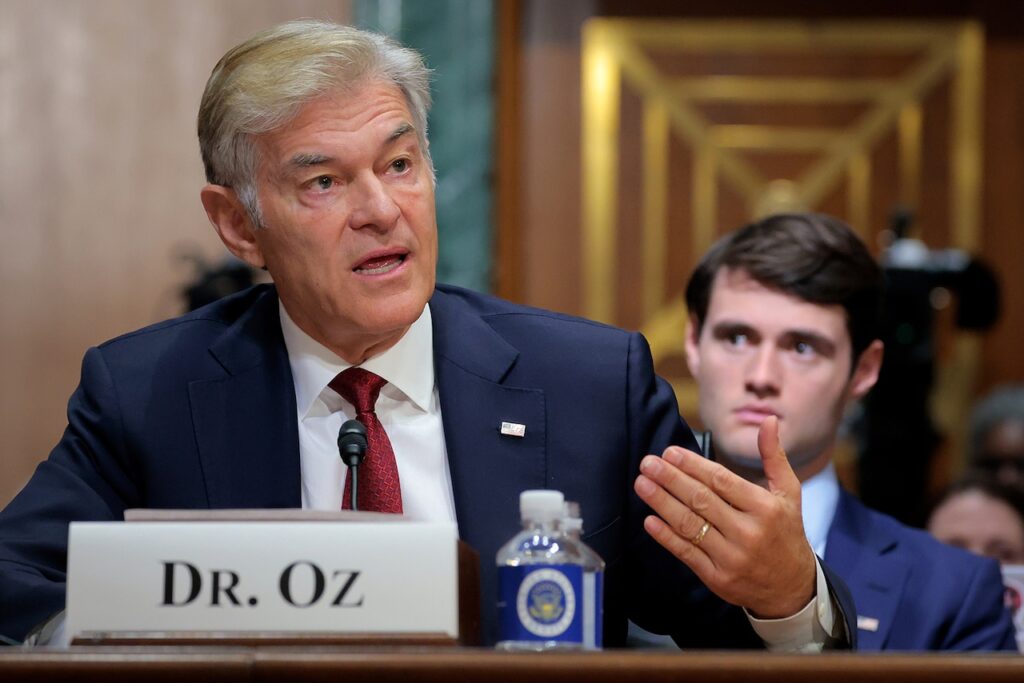
In a statement Monday, CMS Administrator Dr. Mehmet Oz said the program is designed to support state-led efforts to “expand rural access, strengthen their workforces, and modernize care.”
State health officials say Oregon plans to use the funding to help rural residents get care closer to home, better manage chronic conditions such as diabetes and heart disease and prevent illness before it becomes more serious. The money will also be used to support the rural health care workforce and improve technology and data systems.
A portion of the funding will be set aside for Oregon’s nine federally recognized Tribes, allowing them to improve health care access and outcomes in ways that reflect their communities’ priorities.
Oregon could receive additional funding in future years, depending on how the program unfolds and how federal officials evaluate the state’s progress. CMS officials have said they could reduce or withhold future payments if states fail to meet certain requirements or do not follow through on what they promised.