
Published on
December 31, 2025
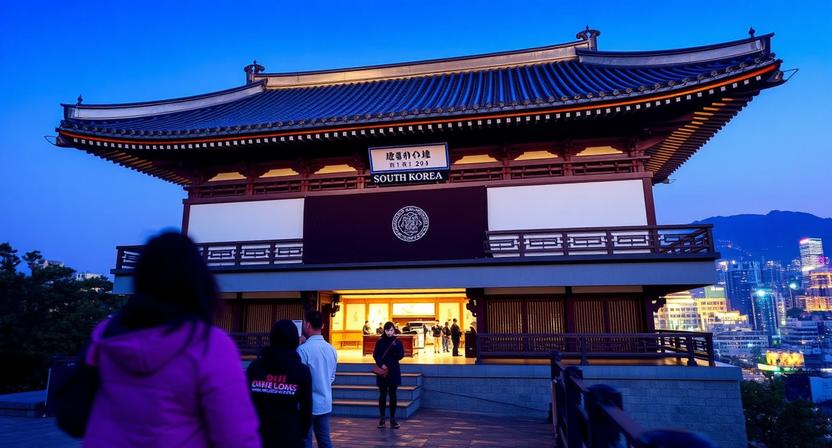
The tourism administration of South Korea announced the continuation of a visa fee exemption for tourists from six countries, including China, India, Vietnam, the Philippines, Indonesia, and Cambodia. A previous policy aimed at going into effect until the end of 2025 has been extended to June 2026 to bolster the country’s recovering tourism industry.

Finance Minister Koo Yun-cheol announced the decision on Wednesday, pointing out that this is one of the most important measures to keep South Korea’s strong growth momentum in inbound tourism. The visa fee waiver is expected to help boost visitation and tourism consumption, strengthening South Korea’s status as one of the leading tourism destinations in East Asia.
Maintaining Inbound Tourism Momentum
The visa fee waiver is designed to reduce travel costs and encourage more tourists from the selected Middle Eastern and Southeast Asian markets to visit South Korea. By maintaining this initiative, South Korea aims to make travel more affordable and accessible, encouraging more travelers from China, India, and other key countries to explore the country’s culture, history, and modern attractions.
The extension of the visa exemption policy will contribute to an ongoing tourism recovery, ensuring that South Korea’s tourism industry stays competitive and appealing to international travelers. This effort is vital to reinforcing the country’s growing tourism infrastructure, supporting local businesses, and ensuring sustainable economic development from the tourism sector.
The Impact of Visa Fee Waiver on Tourism Growth
The visa fee waiver is expected to have a positive effect on tourism growth in South Korea, as it directly addresses one of the major barriers to international travel: high visa processing fees. By simplifying the entry process, South Korea is creating a more welcoming environment for visitors from China, India, and Southeast Asia, all of which are key tourism markets for the country.
The extension of the visa waiver comes at a time when global travel demand is surging, especially in Asia, as countries across the region rebuild their tourism industries. With a growing middle class and increased demand for cultural tourism, South Korea is well-positioned to capture a larger share of the tourism market.
For Chinese and Indian tourists, this visa fee exemption will likely lead to increased travel frequency to South Korea. Given these countries’ proximity and the strong cultural, economic, and business ties with South Korea, many visitors will benefit from easier access to the country, boosting both short-term visits and long-term stays.
Strengthening Regional Tourism and Economic Impact
As part of South Korea’s broader tourism strategy, the extension of the visa fee waiver will not only attract more tourists but will also drive local economic benefits. Tourism spending from visitors will support a variety of sectors, including hospitality, transportation, retail, and entertainment, further fueling job creation and economic growth. Additionally, increasing the number of international visitors helps to foster cultural exchange and global engagement.
The extension is expected to contribute to tourism diversification, encouraging visitors to explore various regions of South Korea, from the bustling streets of Seoul to the scenic coastal areas and historic sites across the country. By encouraging tourism in lesser-known regions, South Korea can distribute the economic benefits of tourism more equitably, alleviating congestion in major tourist hubs and improving the sustainability of the tourism sector.
Future Tourism Growth Vision: Expanding South Korea’s Global Appeal
Looking ahead, South Korea’s future tourism growth is highly dependent on continued efforts to attract international visitors and enhance global connectivity. With direct flight routes expanding to key markets, streamlined visa processes, and the ongoing focus on cultural and eco-tourism, the country is well on its way to becoming a leading tourism hub in Asia.
The visa fee waiver will also play a significant role in increasing South Korea’s international tourism competitiveness. As the country strengthens tourism partnerships with neighboring nations and key regions, the continued simplification of travel procedures and promotions will drive even greater tourism flows.
South Korea’s commitment to sustainable tourism—which includes preserving cultural heritage, supporting eco-tourism, and fostering responsible travel—will ensure that future growth is both economically and environmentally sustainable. Technology-driven tourism solutions and innovative marketing efforts will also help South Korea stay ahead of emerging trends, allowing it to capitalize on new travel preferences, including the growing demand for personalized travel experiences.
South Korea’s Long-Term Tourism Strategy
This extension of the visa processing fee waiver forms a very important part of the long-term tourism strategy of South Korea for boosting inbound tourism, ensuring continued economic growth, and creating jobs. With this move, the country strengthens its global tourism presence, making it easier and more affordable for travelers from China, India, and Southeast Asia to experience everything South Korea has to offer.
With sustainable growth and global engagement harnessed as the core of its tourism vision, South Korea can be confidently said to be well-placed for future success within a very competitive global tourism market. The growth of tourism within this country, revolving around initiatives such as the visa fee exemption, will further remain fundamental in its overall economic development and international influence.
