
By Ditmir Bushati
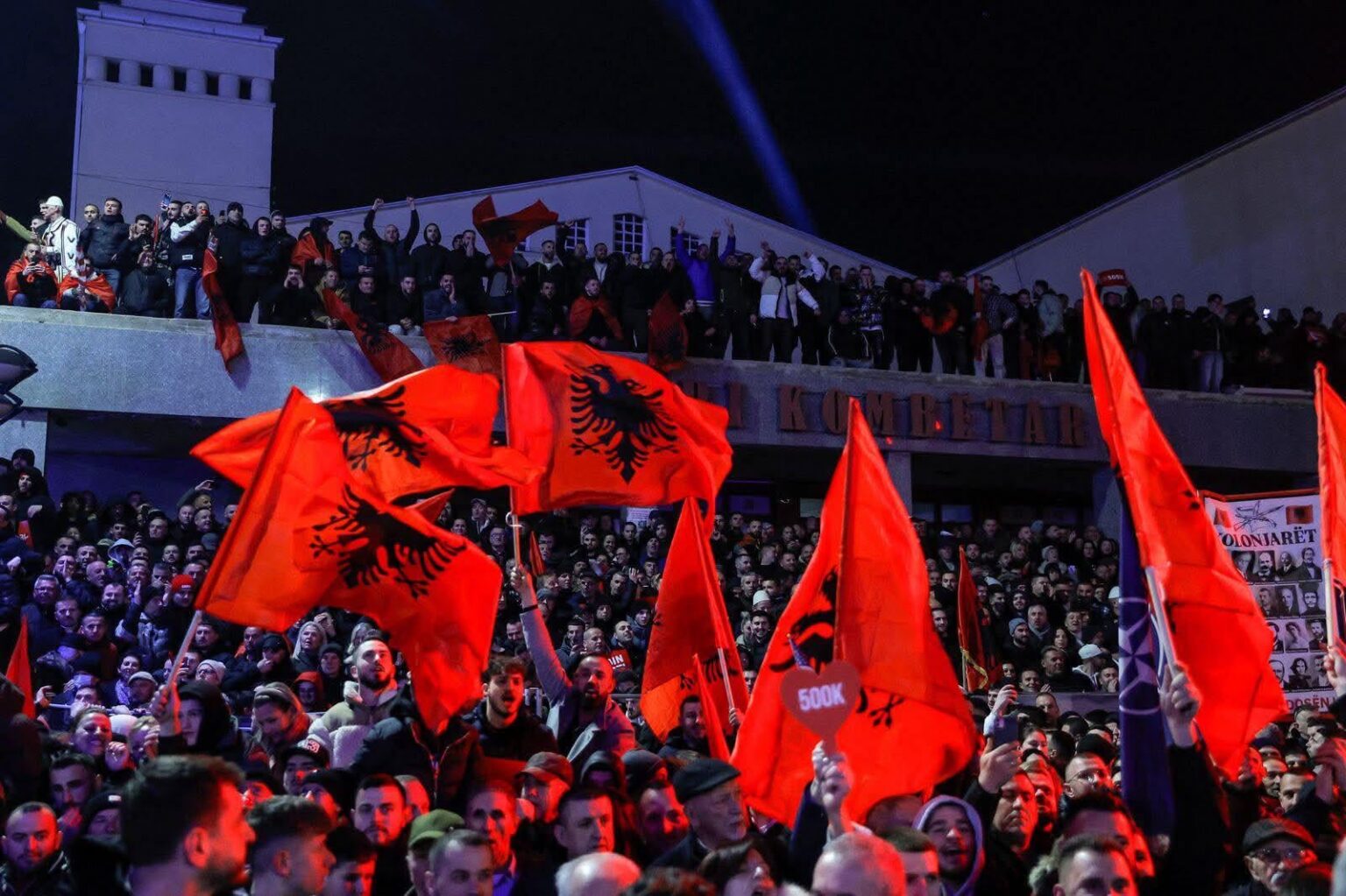
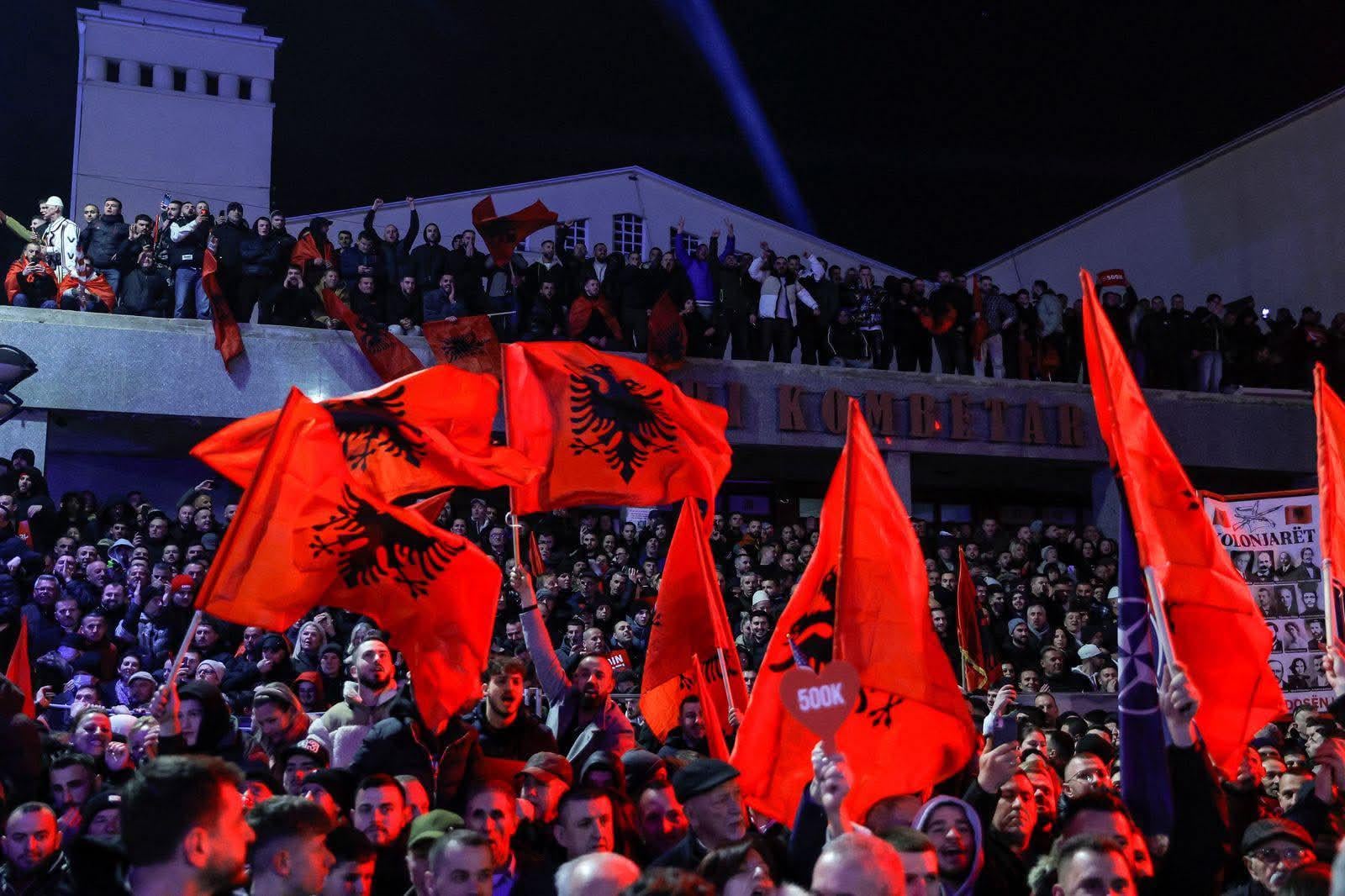
Without money, without luxury, without concerts that precede the gatherings, without artists who perform tallava music in political stands (even though they have the artists most followed by young people), but with political gatherings similar in terms of seriousness to the countries of the democratic world, Kosovo is changing as a case of hope in the region.
In our region, it has been a while since elections have lost their importance. What Tocqueville once defined as their “surprise effect”, due to the hectic state in which society is involved in an election process and the fact that the outcome of the election cannot be predicted in advance, nor can it be changed afterwards. Kosovo, through example, is proving that it is an exception from the countries of the region, entering the irreversible path of its democratic consolidation.
Let’s take them in turn:
I. The election campaign of political parties and candidates as well as the administration of the process in Kosovo is much less expensive than in Albania. The national proportional electoral system, coupled with the administration of the process in a transparent manner and the announcement of the results at midnight, increase confidence in the process, and contrast markedly with our electoral system fragmented into districts and with MPs elected through two categories.
Lesson number 1: Without mutual trust in the electoral system, it is impossible to realize a fair electoral process. Equally important is the lesson that without real control over the money spent by candidates and political parties there can be no equal competition. The money we throw at ‘improving technology in the electoral process’ is a make-up that cannot regenerate the wrinkled skin of the current system. They do not replace the lack of mutual political trust in the electoral system.
II. The protracted crisis with the constitution of new institutions was resolved through political paths and the search for democratic legitimacy, and not unilateral rewriting of the rules of the democratic game. The government did not attempt to attract deputies from the ranks of the opposition parties to create the necessary governing coalition. Power was not imposed on the opposition with candidacy imported by it for any of the institutions originating from the Assembly. The government never intended to equate politics with the market of living things.
Lesson #2: Democracies work better and survive longer where the Constitution and law are reinforced by unwritten democratic norms. Two basic unwritten norms maintain checks and balances in political and institutional life: (i) mutual tolerance, or the understanding that competing parties accept each other as legitimate rivals; (ii) the idea that politicians should exercise restraint in the exercise of executive functions in order not to allow the identification of the state with power.
III. Albin Kurti and LVV announced the victory by expressing their readiness to cooperate with the opposition for the challenges that await Kosovo, mainly for the approval of international agreements that require a qualified majority and the election of the president. Lumir Abdixhiku of LDK accepted defeat by bowing to the popular will. No accusations were reported about the use of the state, oligarchy, media and organized crime in the electoral process and political life. It is widely accepted that most TV studios and the oligarchy were openly against Albin Kurti and LVV.
Lesson number 3: The electoral system is only one of the elements of the set of norms that guarantee democratic life. If Kosovo reaches such a standard, there is no excuse for Albania. Even more so now that we are at the negotiating table for EU membership and aim to be part of the EU within 2030.
To close the inglorious chapter with the organization of democratic life in Albania, the OSCE-ODIHR report on the last parliamentary elections helps us. It would be an unforgivable mistake if we do not treat the report exhaustively, but as the next report. Because there is a clear map of the influence of organized crime, the use of state assets, public administration and the national media with the status of ‘strategic investor’ in elections and political life.
Without the priority and decisive treatment of a real political reform that is related to the functioning of all the links of the state of law, it will be impossible to make the leap that we have to make to join the family of united Europe.
To implement this political reform, we need to remind you of Vaclav Havel’s noble definition of hope. Hope, he said, is ‘an orientation of the soul, an orientation of the heart’. It is ‘an ability to work for something because it is good, not just because there is a chance of success. It’s not the belief that something will turn out well, but the certainty that something makes sense, no matter how it turns out.’
With Kosovo as an example in this direction, and with the open window of EU membership, there is now one more motive for us to nurture hope and democratic life in the country.
https://i.redd.it/o6q95f4o2iag1.jpeg
Posted by itlo
4 Comments
Kosova shembull per Shqiperin :p
Vendi ma i varfër në Evropë me popullin ma Analfabet është burim shpresë për demokracinë në Zvicër
Si tja marresh ne goje vetes 101.
Se paska ndëgju autori kangën e Edona Llalloshit.