
As of today, a reform of criminal law has come into effect in the Czech Republic, redefining the rules for cannabis. Cultivation and possession are now easier, but a regulated market is still not envisaged.
From today, a reform of criminal law in the Czech Republic also regulates the handling of cannabis. The amendment brings noticeable relief for cultivation and possession, but remains well short of more extensive liberalisation plans. At the heart of the new regulation are clearly defined limits for quantities and plants.
Cultivation Only Under Certain Conditions
Legal cannabis cultivation will henceforth be permitted only for persons aged 21 and over. In addition, cultivation may take place only in a property owned by the individual or in premises to which they have a legal right of use, such as under a rental agreement. The law does not set requirements for securing the plants or specify particular cultivation methods. Cannabis may be grown indoors, outdoors, or in a greenhouse.
Cultivation of up to three cannabis plants with a THC content of over one per cent is permitted. Cultivating four to five plants is considered an administrative offence, while six or more plants constitute a criminal offence.
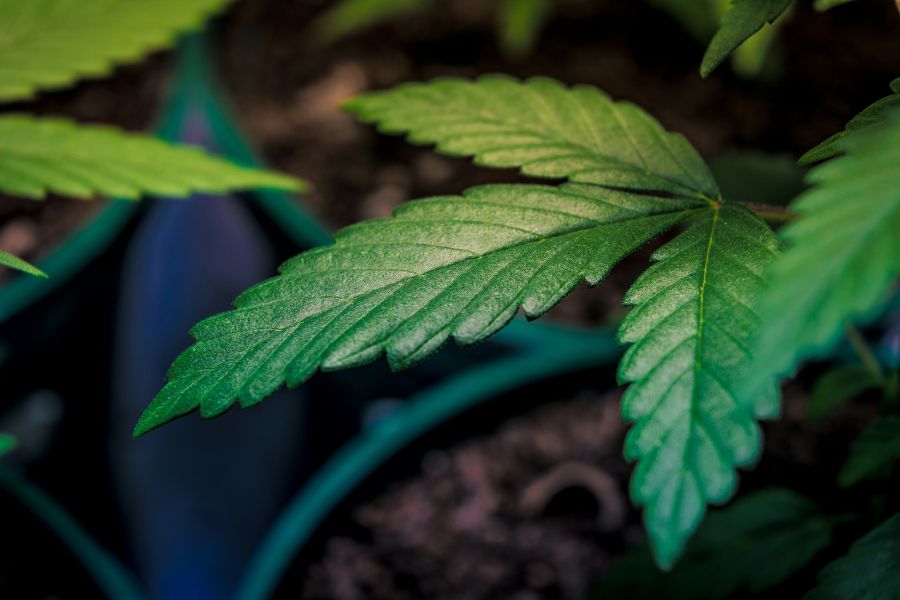
 Foto: Chase Fade | Unsplash
Stricter Penalties for Exceeding Limits
The amendment not only regulates cultivation but also possession and handling of cannabis. Adults may possess up to 100 grams of cannabis in their own home and up to 25 grams outside the home.
Unauthorised sale, distribution to third parties, or other serious breaches fall under the newly created Section 283a of the Criminal Code. While penalties for minor breaches have been reduced, serious offences still carry multi-year prison sentences.
Political Compromise
The current regulation is considered a political compromise. More ambitious initiatives from the Pirate Party, such as introducing a regulated cannabis market, did not gain a majority. The new provisions are part of a broader criminal law reform, which came into effect today, 1 January 2026. It is primarily intended to relieve the justice system and penal institutions without making fundamental societal policy changes.