
Published on
January 1, 2026
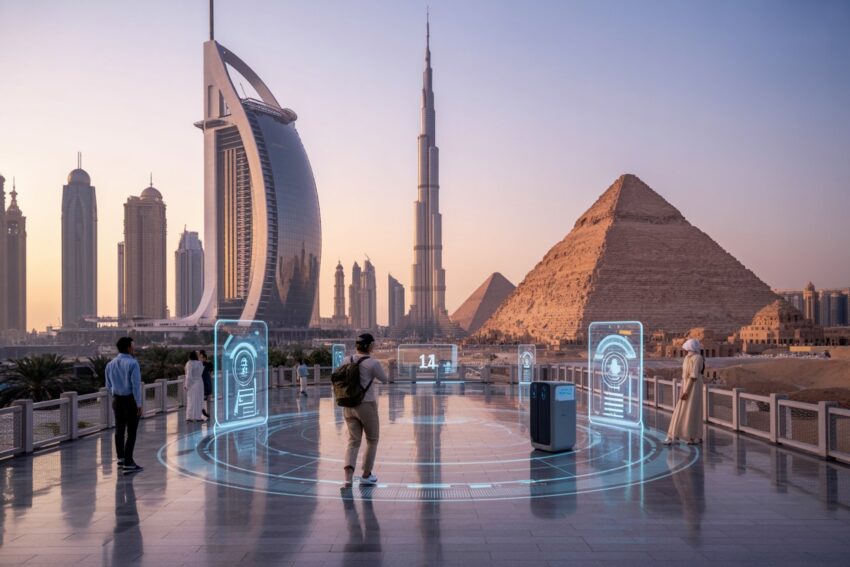
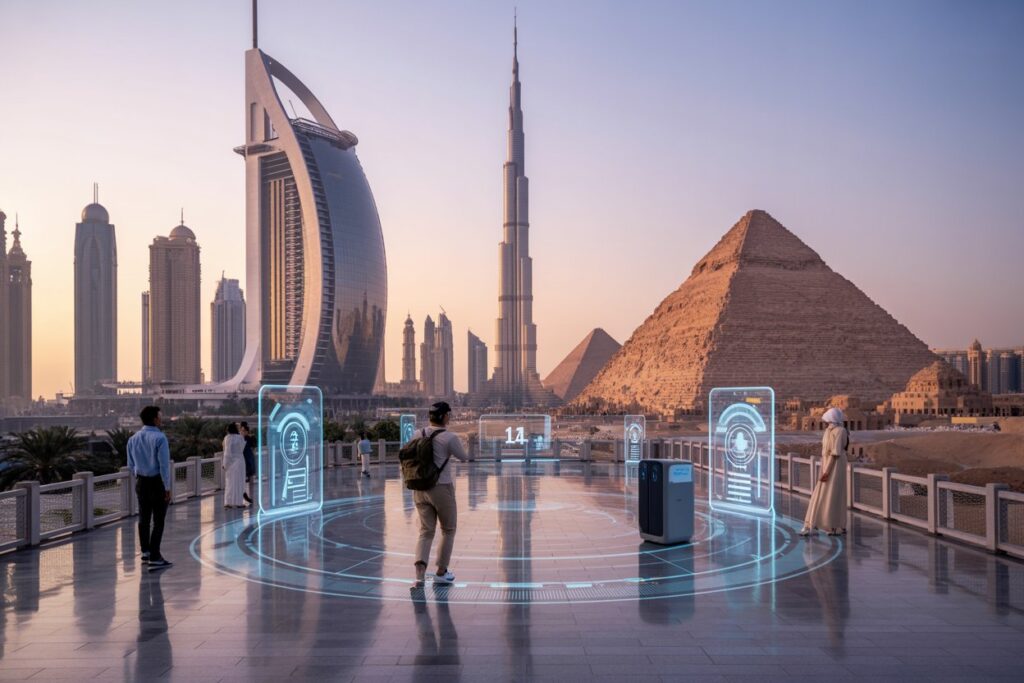
The 52nd United Nations Tourism Regional Commission for the Middle East conference, held in 2026, stands as a significant milestone in the region’s tourism strategy. The theme of the conference, “Promoting Tourism Through Artificial Intelligence,” aims to explore the dynamic intersection of technology and tourism. It highlights how Artificial Intelligence (AI) can revolutionize travel experiences and enhance regional growth. This article explores the advantages and disadvantages of incorporating AI into the tourism sector, focusing on the Middle East and its benefits for travellers.
Introduction to the UN Tourism Regional Commission for the Middle East
The UN Tourism Regional Commission for the Middle East is an initiative that brings together tourism ministers and professionals from across the region. This biennial event allows industry leaders to collaborate on strategies to improve tourism, address challenges, and explore new opportunities. The focus of the 52nd conference was on AI’s transformative impact on the industry, which is becoming more central to discussions in global tourism circles.
Key points discussed at the event included:
- AI in improving the visitor experience.
- Enhancing operational efficiency for tourism businesses.
- Addressing sustainability and managing large visitor numbers.
What Is Artificial Intelligence’s Role in Promoting Tourism?
Artificial Intelligence is being increasingly used to shape the future of the tourism industry. By utilizing AI, the tourism sector can provide more personalized, efficient, and dynamic services to travellers. AI technology in tourism includes:
- Personalization: AI-driven algorithms help tailor travel recommendations to individual preferences, creating customized itineraries based on travel history and online behavior.
- Customer service: Chatbots and virtual assistants powered by AI allow travellers to get real-time information, book services, and resolve issues 24/7.
- Data analysis: AI can sift through vast amounts of data to predict trends, optimize pricing, and manage inventory in real-time.
- Enhanced experiences: Virtual and augmented reality, supported by AI, can enhance experiences at cultural sites or during tours.
- Sustainability: AI can monitor environmental impact, optimize resources, and reduce waste in popular tourist destinations.
Advantages of Artificial Intelligence in Tourism
AI offers numerous benefits for both travellers and tourism businesses in the Middle East. Below are some of the key advantages:
1. Personalized Travel Experiences
AI enables travel platforms to create more tailored and unique experiences for tourists. By analyzing user data, AI can suggest destinations, activities, and services that are most likely to appeal to individual preferences, making travel more enjoyable and efficient.
- AI-powered recommendation engines can suggest personalized hotel stays, tours, restaurants, and local events.
- It allows for smarter travel planning, where travellers can receive suggestions based on their preferences, making their trip more enriching.
2. Improved Customer Service
AI-powered chatbots and virtual assistants are transforming customer service in the tourism sector. These AI tools offer real-time assistance, booking services, and troubleshooting, ensuring that travellers’ needs are met without waiting in long queues or on the phone.
- AI chatbots can instantly respond to queries, reducing the need for human staff and enhancing operational efficiency.
- They help in booking flights, accommodations, and tours with a seamless experience.
3. Operational Efficiency for Tourism Businesses
Tourism companies, including hotels, travel agencies, and transportation services, benefit from AI in terms of cost-efficiency and better resource management.
- AI can automate repetitive tasks such as check-ins at hotels or booking confirmations for tours.
- Data analysis tools powered by AI allow tourism businesses to track visitor trends, forecast demand, and optimize pricing.
4. Enhanced Sustainability and Management of Resources
AI can optimize resource usage, reducing waste and improving sustainability efforts in tourism.
- AI systems can monitor visitor flows to prevent overcrowding and minimize environmental impact.
- Sustainable tourism is enhanced by AI tools that assist in managing energy consumption, waste disposal, and reducing the carbon footprint.
5. Increased Safety and Security
AI can also improve safety and security for tourists, especially in crowded tourist hubs.
- AI can be integrated with surveillance systems to detect unusual behavior or potential security risks, ensuring better protection for visitors.
- It can help manage crowd control at popular tourist destinations, preventing accidents and ensuring safety protocols are followed.
Disadvantages of Artificial Intelligence in Tourism
While AI offers many benefits, there are some challenges and disadvantages that the tourism industry must consider, especially when implementing AI at large scales.
1. Data Privacy Concerns
AI systems rely heavily on the collection and analysis of personal data. While this data can improve personalization, it also raises concerns about privacy.
- There is a need for stronger data protection measures to safeguard tourists’ personal and financial information.
- AI’s use in tracking tourists’ behaviors and preferences may raise ethical issues related to data transparency.
2. Job Displacement
The rise of AI technology in tourism may lead to job displacement, especially in areas like customer service and administrative tasks.
- While AI can improve efficiency, it may reduce the demand for human staff, particularly in roles like front-desk services, call centers, and tour guides.
- Tourism employees may need to upskill to stay relevant in an AI-driven environment.
3. Over-reliance on Technology
Excessive reliance on AI can sometimes reduce human interaction, which is an essential part of the travel experience.
- Many tourists prefer face-to-face interactions when seeking recommendations or resolving issues during their trip.
- Relying too much on AI-powered systems may alienate travellers who value human connection.
4. Cost of Implementation
Implementing AI solutions can be expensive for smaller tourism businesses, particularly in developing countries or smaller markets.
- High initial costs can deter smaller hotels, travel agencies, or startups from adopting AI solutions.
- Large-scale AI systems may require substantial investment in infrastructure and ongoing maintenance.
5. Lack of Human Touch
While AI can provide efficient services, it may struggle to replicate the personal touch that human workers offer.
- AI may not fully understand the nuances of human behavior or emotions, leading to less empathetic customer service.
- AI-based interactions may lack the warmth and personal connection that many tourists seek.
Conclusion: The Future of AI in Tourism
Artificial Intelligence is set to reshape the tourism industry in the Middle East and beyond. While there are challenges to be addressed, such as data privacy and job displacement, the potential benefits far outweigh the negatives. The integration of AI into tourism offers the promise of more personalized, efficient, and sustainable travel experiences for tourists. With careful planning and regulation, AI can enhance the tourism sector and elevate the region’s standing as a global travel destination.
