
Published on
December 31, 2025
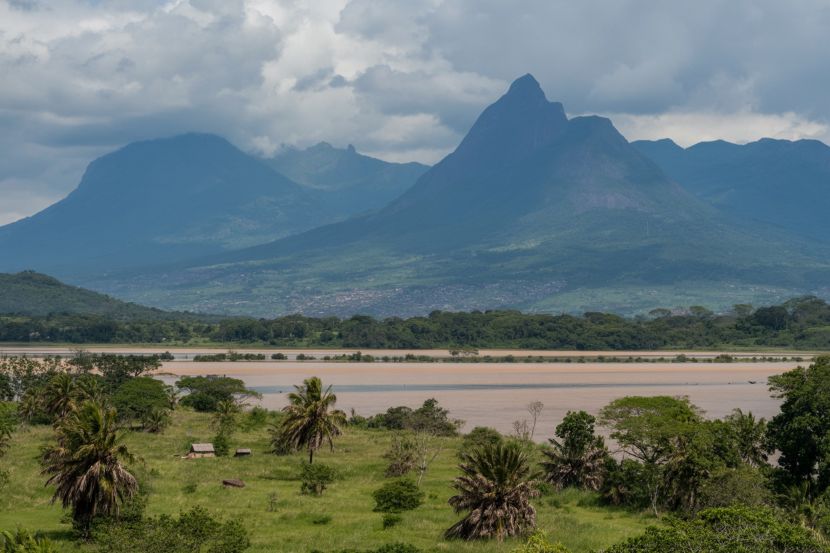
In a deeply human moment for families, adventurers and business travellers alike, people planning trips to Colombia, Brazil, Ecuador, Peru, Chile, Paraguay and Madagascar have been handed a significant caution from the German foreign authorities warning of elevated risks that could affect travel plans, safety and personal wellbeing. This updated advisory from Germany’s Foreign Office signals serious considerations around civil unrest, regional security threats, unpredictable natural hazards such as volcanic activity, and evolving entry requirements that travellers must understand before departure.
Germany’s Foreign Office and comparable safety departments worldwide classify travel risks based on observed threats in local destinations. In this latest guidance, issued in late 2025, Germany is urging its citizens — and by extension all international travellers — to exercise greater vigilance for journeys throughout several South American and African countries.
Colombia: Protests, Security Challenges and Preparedness
In Colombia, the national security landscape remains dynamic. Frequent demonstrations, protests and strike actions in major cities like Bogotá, Medellín and Cali can interrupt transport routes and daily life, with large gatherings at times turning disruptive. German safety advice specifically highlights the risk of civil unrest and the importance of keeping informed via local news, avoiding crowds and following law enforcement guidance when outside.
The U.S. State Department and other foreign advisories also recommend that visitors consider local transport conditions, roadblocks at key border points and potential service interruptions when planning itineraries. These factors form part of Germany’s broader caution to travellers heading into Colombian regions where conditions may change quickly.
Brazil: Violent Crime Patterns and Safety Zones
Brazil’s advisory focuses on heightened crime rates and sporadic confrontations in certain urban districts. Like other global advisories highlighting caution around major cities such as Rio de Janeiro and São Paulo, travellers are urged to avoid known high‑risk areas, particularly at night, and to stay vigilant in public settings.
Brazil’s large population centres can experience complex security dynamics with organised crime and occasional clashes between law enforcement and criminal factions. Germany’s guideline urges visitors to prioritise officially sanctioned transport, secure accommodation choices and real‑time updates from local authorities to reduce exposure to risk.
Ecuador: Entry Rules and Social Unrest
Ecuador’s guidance within the German travel condemnation emphasises strict entry policies and political activism that have implications on cross‑border movement and traveller documentation. Since 2024, Ecuador requires persons entering by land from neighbouring nations such as Peru or Colombia to present a police certificate with an apostille and official translation for entry.
Separately, Ecuador continues to grapple with social and economic tensions that at times have resulted in demonstrations and roadblocks. Travellers are reminded to accommodate these realities into travel plans, maintain flexibility in itineraries and monitor local situation reports for safe movement through the territory.
Peru: Border Tensions and Local Conditions
Peru’s northern regions bordering Ecuador have experienced elevated military and police presence due to security concerns. Current advisories note that while land borders remain open, conditions near the frontiers are tightly controlled, and emergency measures may be in place in select regions.
This situational complexity forms part of Germany’s holistic caution to travellers — particularly those planning journeys through isolated border corridors on mixed‑mode transport. Responsible travel planning, situational awareness and registration with national embassies or consular services are recommended steps.
Chile and Paraguay: Urban Risks and Routine Alerts
Germany’s safety message also mentions Chile and Paraguay as areas where travellers should adopt standard caution and awareness protocols. While neither country is flagged at the highest level of travel warning, both governments’ and international advisories stress everyday safety fundamentals — staying alert in crowded areas, safeguarding personal property and being cautious during nights out in unfamiliar neighbourhoods.
Paraguay, in particular, maintains relatively straightforward entry conditions for German nationals, with visa‑free stays up to 90 days available for touristic purposes.
Madagascar: Caution and Standard Precautions
In Madagascar, the travel guide from Australian and Canadian counterparts categorises the country under high caution levels that encourage travellers to maintain awareness of evolving local conditions. Madagascar’s advisory status is linked to variable infrastructure support and health considerations typical of long‑haul destinations, rather than acute civil unrest or security shocks.
German officials continue to urge travellers to exercise prudence, register with consular services and understand local emergency response systems before embarking on journeys across the island nation.
What This Means for Travellers Globally
Governments issue travel advisories with layered risk levels ranging from routine caution to advice against travel to certain zones. Germany’s advisory, framed as a recommendation to remain vigilant, reflects a complex interplay of social, political and natural hazard elements affecting travel safety in these destinations. Foreign advice systems like those from the UK Foreign, Commonwealth & Development Office, Canada, and the U.S. State Department similarly recommend that travellers carefully weigh conditions, maintain comprehensive travel insurance and prepare contingency plans before departure.
Travellers planning trips to these destinations are strongly encouraged to sign up for email updates from their national government travel advisory services, enrol in consular notification programmes and continually review local and international news sources for the latest safety reports.
Safety Checklist Before You Travel
To help manage potential risks highlighted by the latest advisories:
- Monitor real‑time updates from official government and foreign office resources.
- Understand entry and visa rules, especially for Ecuador and border crossings.
- Register with your national consulate abroad for emergency alerts.
- Plan flexible travel routes with room for delays or diversions.
- Stay in well‑reviewed accommodation and avoid remote or isolated areas after dark.
Humanised Closing: What Travellers Must Carry in Mind
For every traveller packing suitcases with excitement and hope, Germany’s updated advisory serves not as a deterrent to wanderlust, but a reminder that informed travel remains the cornerstone of safe global exploration. Whether refreshing plans for South America or dreaming of wild landscapes in Madagascar, taking official guidance seriously, preparing meticulously and staying alert on the ground will equip travellers with confidence rather than fear as they navigate journeys in 2026 and beyond.
