
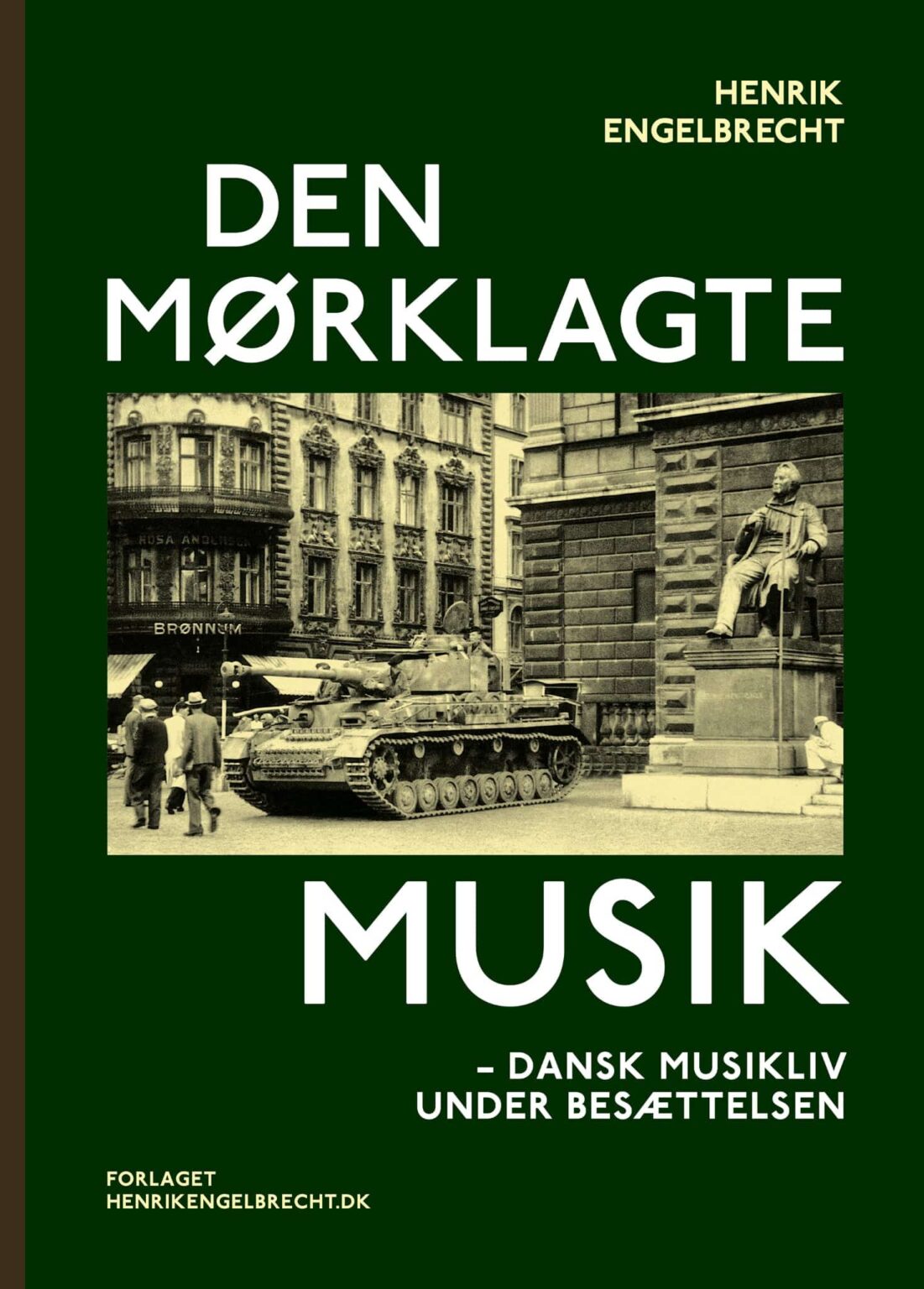
The Danish music writer Henrik Engelbrecht has a new book, out next week, on the effects of Nazi occupation on the country’s music life.
He exposes plenty of Quislings and willing collaaborators in the music establishment, but one striking involvement – he tells us below – is the involvement of Nazi Germany’s two top conductors.
Here’s Henrik’s summary, exclusive to slippedisc.com:
Nazi Germany invades Denmark early in the morning on April 9th, 1940. In the lavish Hotel d’Angleterre in Copenhagen Wilhelm Furtwängler wakes up that morning preparing for a rehearsal with the Royal Danish Orchestra. The members of the orchestra know that going ahead with the concert the following evening will not be possible with a German conductor on the poster – and they cancel the rehearsal as well as the concert with an excuse about the newly imposed blackout. Furtwängler flies back to Berlin, and the following week he visits Joseph Goebbels in his office. Goebbels notes in his diary:
”Furtwängler reports. Was at the occupation in Copenhagen. Describes the glorious surprise. Our soldiers behaved exemplary and contributed much to a peaceful end to the matter.”
In 1943 – three years into the occupation – Herbert von Karajan offers to conduct the same orchestra – for free! The reason stated in the correspondence between Karajan’s agent, the SS-officer Rudolf Vetter, and the Danish representatives is that Karajan simply wants to do the orchestra a favour and give the entire revenue of the concert to their pension fund. It is probably worth noting, that Karajan’s star with the Nazi regime at this time is at an all-time low. He has recently married the partly Jewish Anita Gütermann – and Rudolf Vetter has been deprived of his membership of the Reichsmusikkammer and consequently can’t work as an agent in Germany. The benefit concert in Copenhagen is probably most of all of benefit for Karajan himself in a desperate attempt to stay in favour with Goebbels.
These are just a couple of the discoveries I made during my work on my upcoming book on musical life in Denmark during the German occupation – the first ever to delve into the details of the musical side of everyday life in occupied Denmark.
The book follows the events in the Danish music scene from the 1930s warnings of what lies ahead and up to the showdown after liberation, where a large number of Danish musicians and singers must also be held accountable for their activities during the occupation. Throughout the five years, everyone must navigate a reality with changing curfews, periods of lawless conditions and for many with a fundamental fear of the future; what if the Germans win the war?
The many facets of everyday life for Danish musicians during the five years includes those collaborating with the small and rather ridiculous Danish nazi party DNSAP, Jewish artists who has to flee to Sweden in October 1943 or is deported to Theresienstadt – and the general problems for thousands of musicians in all lines of work from circus orchestras, dance bands and street musicians to members of military bands and artists at the Royal Danish Opera – who still managed to stage the first European performances of Gershwin’s ”Porgy and Bess” (an Amercan opera written by a Jewish composer dealing with the life of Afro-Americans) during the war – and even advanced plans for how to manage musical life in Denmark after what the Danish Nazis believed would be the German victory.
The final chapter describes the trials of several musicians after the liberation – some being sentenced to 10 or 16 years in prison, others dismissed from their positions in the orchestras. Most of those convicted to prison were released after serving a fraction of their sentences.
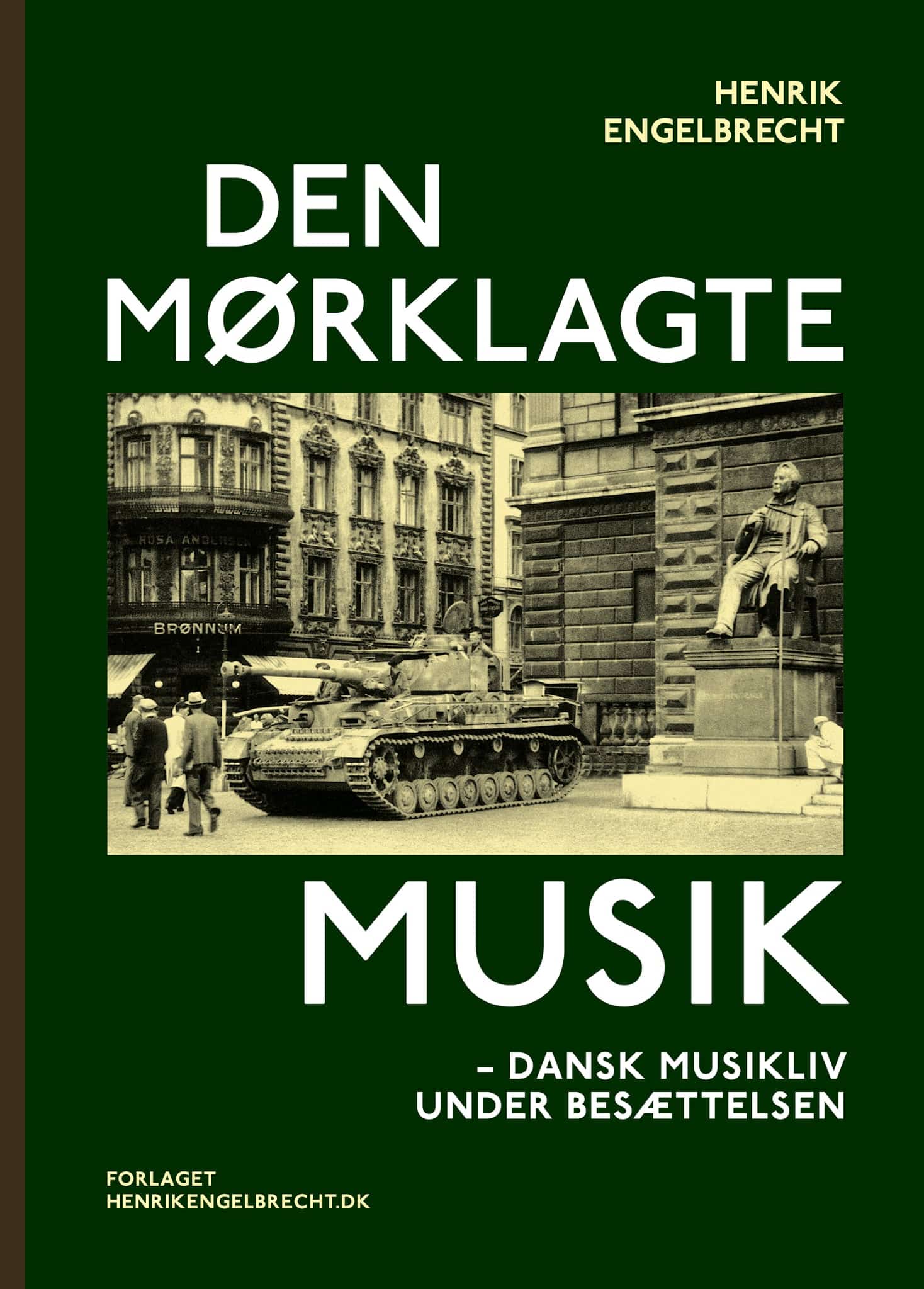
The book “Den mørklagte musik – dansk musikliv under besættelsen”, alas, is only available in Danish at the moment, but it can be ordered directly from the publisher: www.henrikengelbrecht.dk
Henrik Engelbrecht