
Read: 4 min
An unlikely product has become a focus of Canadian conservatives: nicotine pouches.
“Free the Zyn,” Conservative MP Jamil Jivani said in a Sept. 19 Instagram video, as he placed one of the white, pillow-like nicotine pouches in his mouth. Zyn refers to a Swedish brand of nicotine pouch not available in Canada, but can also be colloquially used as a catch-all term for pouches.
“Canadian adults should be free to choose the products that work for them,” Jivani added.
Jivani’s remark was a not-so-subtle shot at government restrictions that have made it harder for Canadians to purchase these nicotine pouches than to buy cigarettes.
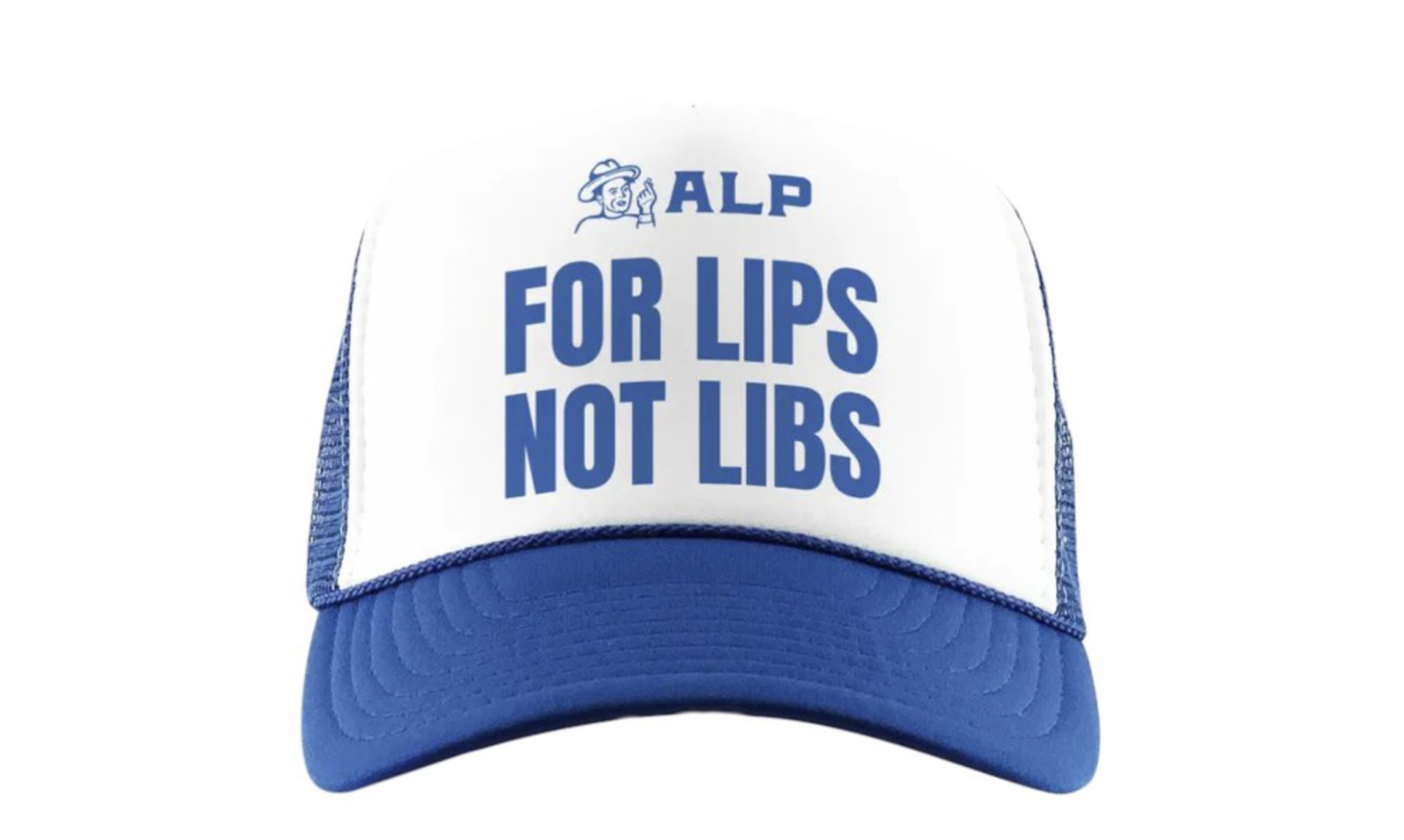
Pouches — which are an alternative to chewing tobacco — have found an enthusiastic fan base among American and Canadian conservatives. In part, this is due to American conservative firebrand personality Tucker Carlson launching his own nicotine pouch product Alp in late 2024.
In the U.S., pouches are treated as tobacco products, rather than regulatorily approved smoking-cessation products. And Alp has aggressively promoted the product by linking them with hyper-masculine and conservative activities, such as boxing, hunting and dirt biking.
 An image posted to Alp’s Instagram account.
In Canada, the rise of nicotine pouches has followed a somewhat different trajectory.
The government first approved the nicotine pouch product Zonnic for sale as a smoking-cessation product in 2023. Zonnic is owned by Imperial Tobacco Canada, and until recently, was the only nicotine pouch product authorized for sale in Canada.
At first, Zonnic was permitted to be sold in convenience stores and gas stations alongside cigarettes and other over-the-counter nicotine replacement therapies.
But that framework proved short lived.
A year later, the government ordered nicotine pouches to be sold by pharmacists within pharmacies. The order also limited their flavours to mint and menthol.
Health Canada says the measures aim to protect youth.
“Stronger measures were needed to prevent youth from accessing nicotine replacement therapies … as well as to prevent industry from promoting these products to youth,” a Health Canada spokesperson told Canadian Affairs in an emailed statement.
Canadians remain free to import up to 90-day supplies of pouches for personal use if the product meets packaging and labelling requirements.
Australia has gone even further than Canada, requiring a doctor’s prescription to purchase nicotine pouches.
Carlson and other conservatives have taken aim at these restrictions, saying they are an unfair curb on personal freedom.
“They don’t want you using nicotine, a life-enhancing, God-given chemical,” Carlson said in a June 2024 Instagram post criticizing Australia’s regulations.
“[Nicotine products] have the byproduct of raising testosterone levels and making people a little harder to command,” he said.
Dave Morrow, 44, a nicotine pouch user based in Montreal who says he “leans libertarian,” views Canada’s approach to regulating nicotine as senseless and oppressive.
“ It doesn’t seem like there’s anything rational about it,” said Morrow. “It just reduces the little bit of pleasure I can have in the day here in Canada.”
Eric Gagnon, vice-president of corporate and regulatory affairs at Imperial Tobacco Canada, says it is hard to compare the U.S. and Canadian markets for pouches.
“The only way you can talk about Zonnic is to help adults quit smoking,” he said, noting that Zonnic’s marketing in Canada is tightly focused on smoking-cessation claims, not lifestyle.
 An image posted to Zonnic’s Instagram account.
Gagnon referred to Canada’s requirement for Zonnic to be sold in pharmacies as “disappointing.” He says Zonnic has been treated differently than other nicotine replacement therapies (NRTs) — such as gums and lozenges — that have long been sold in Canada.
“We were accused of selling flavours. Every other NRT in this country has flavours. We were accused of using colours on our packs. Well, every other NRT product uses colours on their packs,” Gagnon said.
Pouch politics
Conservatives are tapping into these frustrations with their messaging on Parliament Hill.
In September, Conservative MP Brad Vis tabled a petition in the House of Commons calling for “the government to repeal this overburdensome regulation and to keep the process and sale of these products as they were before.”
“Small businesses, including convenience stores, have a proven track record of responsibly selling age-restricted products, including nicotine pouches,” Vis said at the time.
In a statement to Canadian Affairs, Conservative health critic Dan Mazier framed nicotine pouches as a matter of personal freedom and harm reduction.
“Conservatives believe adult Canadians should have freedom of choice when it comes to what legal products they use, including vapes and nicotine pouches,” Mazier told Canadian Affairs in an email.
“It is also important that those trying to quit smoking should continue to have access to less harmful alternatives that have worked for them.”
The Conservatives’ language of harm reduction sets up a deliberate contrast with the Liberals’ other harm reduction policies — such as supervised drug consumption sites and safer supply — which have made it easier for Canadians to use illicit drugs, and are a frequent source of attack by Conservatives.
“It is the height of hypocrisy that this Liberal government flooded our streets with taxpayer funded killer opioids and is still funding crack pipes and needles to those suffering from addiction while cracking down on Canadian adults who want to access and use smoking cessation products,” Mazier told Canadian Affairs.
Morrow, from Montreal, says Canada’s approach to regulating nicotine pouches makes him “shake my head.”
“I tell my American friends [about the regulations] and they’re like, ‘That’s because [Canadians] don’t love freedom. You guys hate freedom.
“I’m like, ‘Yeah, yeah, that’s exactly what it is.’”
Related Posts