
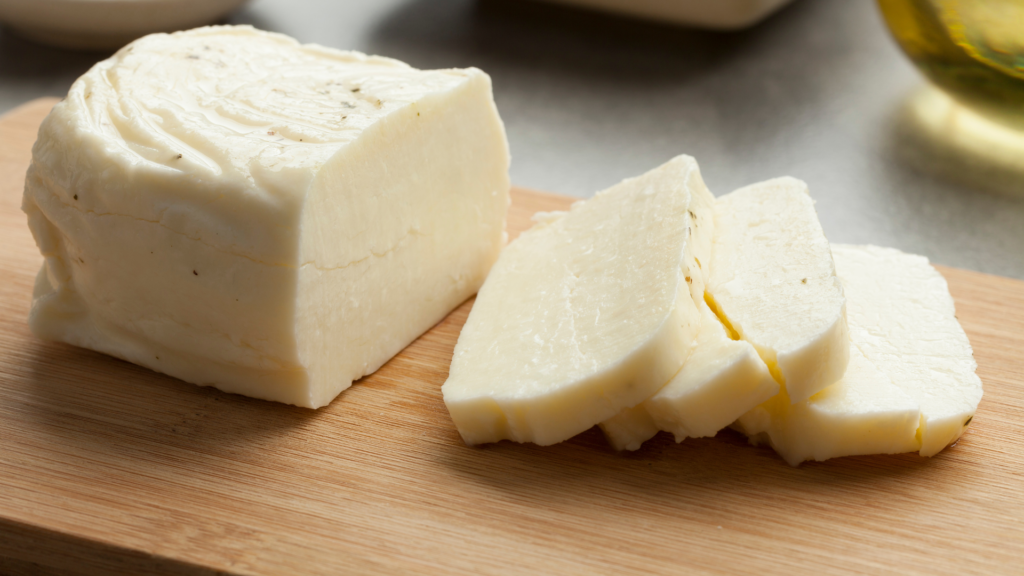
Cyprus is in contact with Australia to ensure that halloumi cheese shipments currently en route are accepted, as authorities implement stricter biosecurity measures in response to concerns over foot-and-mouth disease.
The development comes as Cypriot authorities move to strengthen controls along the Green Line, following a decision taken at a meeting of the Ministry of Agriculture to introduce 24-hour coverage at crossing points from the occupied areas to the free areas. The measure aims to ensure continuous disinfection of vehicles entering controlled territory.
The Director of Veterinary Services, Christodoulos Pipis, said additional coordination has been agreed with the British Bases, police, the National Guard and livestock farmer groups. The enhanced cooperation is intended to strengthen surveillance along the length of the Green Line and prevent any illegal movement of animals or goods from the occupied areas.
Mr Pipis also confirmed that further communication will take place with Australian authorities to ensure that Cypriot halloumi consignments are accepted, despite heightened biosecurity controls linked to the disease risk.
The renewed engagement follows Australia’s decision in December 2025 to suspend imports of dairy products from Cyprus, after removing the island from its list of territories considered free from foot-and-mouth disease. The measures, announced by Australia’s Department of Agriculture, Fisheries and Forestry, had immediate and retrospective effect from November 8.
The suspension has had a significant impact on halloumi, one of Cyprus’ flagship exports. According to data from Cyprus’ statistical service, approximately 2,000 tonnes of halloumi, valued at around €15 million, are exported to Australia each year.
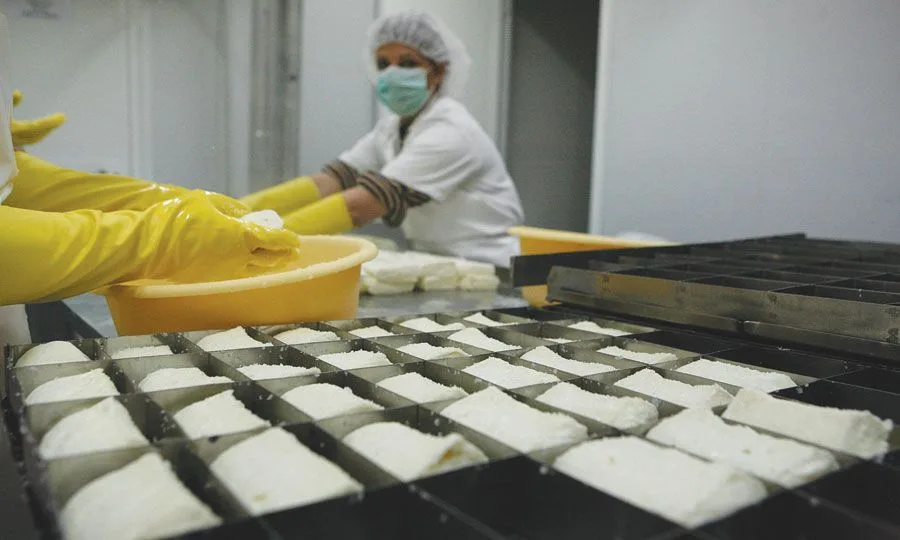 Halloumi exports are under review as Cyprus engages with Australia on import conditions following recent disease-control measures.
Australian authorities introduced additional restrictions, including a requirement that halloumi be matured for at least 30 days or meet specific acidity thresholds. The measures extend to all dairy products manufactured or exported from Cyprus, as well as a complete exclusion of meat and animal products. Personal dairy items carried by passengers or sent by post, along with sheep and goat intestines used in sausage production, have also been affected.
For consignments already en route or on the Australian market, authorities indicated that they would be assessed on a case-by-case basis. Goods proven to have been produced before November 8 may be released following inspection, while products produced or collected after that date face refusal and destruction.
The restrictions were introduced following reports of foot-and-mouth disease outbreaks in the north of the island. No cases have been confirmed in areas under the control of the Republic of Cyprus, which continues to be recognised by the European Union and the World Organisation for Animal Health as free from the disease without vaccination.
Authorities have stressed that the measures are precautionary and aimed at protecting animal health, agricultural production and international trade, while discussions with international partners, including Australia, continue.