
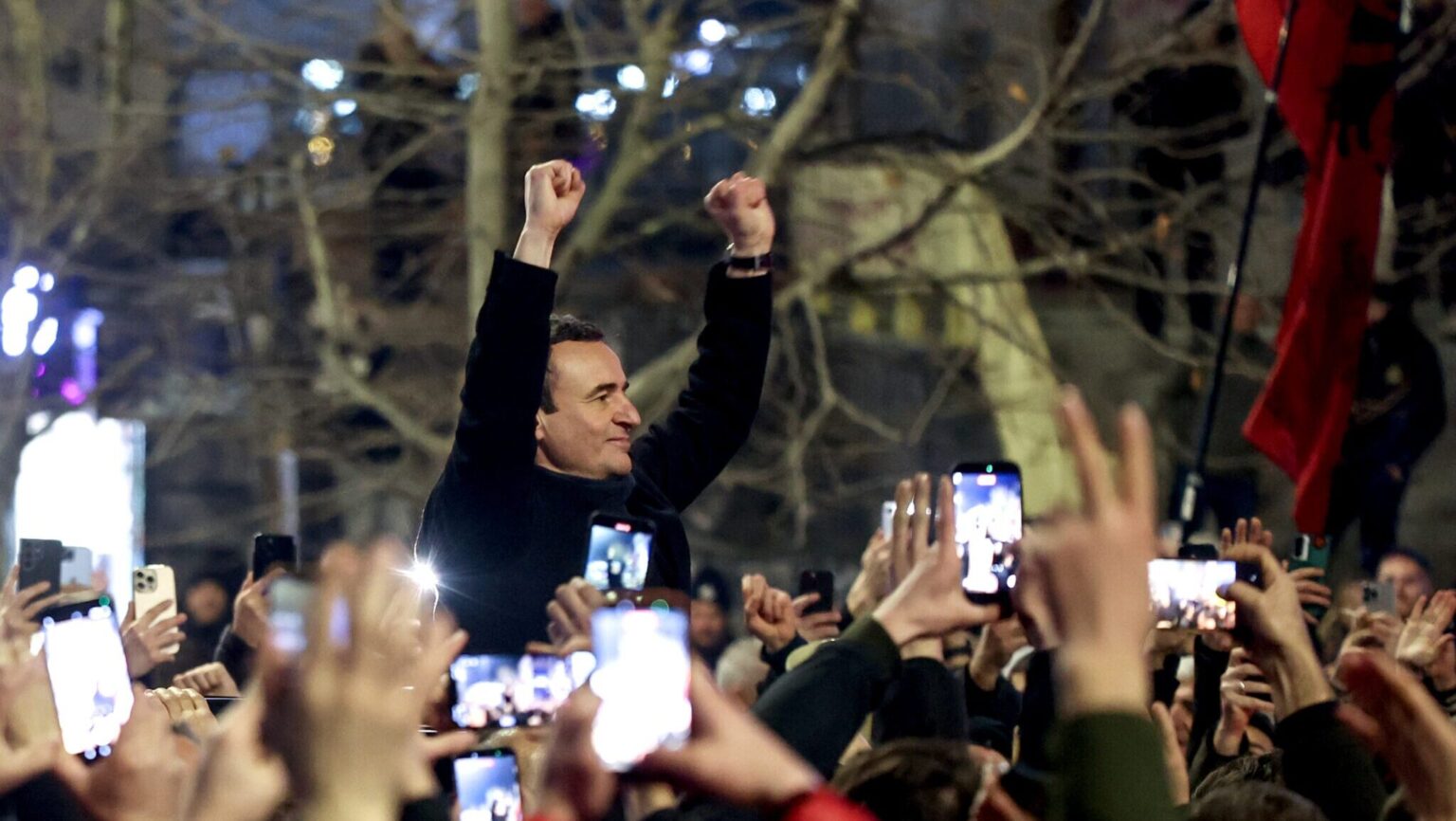
As the dust settles from Kosovo’s early parliamentary elections on Sunday, the outcome reads less like a routine political event and more like a collective judgment. The electorate was not subtle. It delivered a clear and forceful message to the political class at home and to observers abroad: a year of institutional paralysis came at a cost and the bill was due.
The preliminary results from the Central Election Commission tell a remarkably straightforward story. Vetevendosje did not merely survive the turbulence that followed the previous, inconclusive elections in February this year. It expanded its mandate, emerging with just under 50 per cent of the vote, a figure expected to rise once roughly 60,000 diaspora ballots are counted.
Even before that final tally, the outcome grants Vetevendosje a clear popular mandate to form the next government. The Democratic Party of Kosovo, PDK followed at about 21 per cent. The Democratic League of Kosovo, LDK’s vote collapsed to under 14 per cent. The Alliance for the Future of Kosovo, AAK is hovering just above the five per cent threshold required to enter parliament. This was not a case of momentum gradually drifting toward one party. It was a decision made deliberately and at scale.
Please login to your account below if you are already a Premium Subscriber.
Our Premium Service gives you full access to all content published on BalkanInsight.com, including analyses, investigations, comments, interviews and more. Choose your subscription today and get unparalleled in-depth coverage of the Southern and Eastern Europe.
If you have trouble logging in or any other questions regarding you account, please contact us