

Copy trading is an investment feature available on trading platforms, allowing individuals to replicate the trades of professional traders. It appeals to people new to trading or those lacking the time to make informed trading decisions without conducting extensive market research.
In the cryptocurrency space, copy trading has gained popularity among both beginners and experienced traders, as it enables them to generate profits and helps newcomers become familiar with the crypto market. Instead of analyzing a trade from scratch, this approach also enables other users to benefit from the lead trader’s expertise and trading style.
So what is copy trading in crypto and how it works, its pros and cons, the difference between copy trading and social trading, and show you a straightforward guide on how to copy trade successfully. Keep reading to learn more!
What Is Copy Trading in Crypto?
Copy trading in crypto is a portfolio management strategy that allows you to leverage the trading expertise of successful traders by opening an account with a copy trading provider, typically an exchange that supports copy trading. Once you open a trading account with a copy trading provider, it automatically connects to the expert’s account through platforms like Binance, Bybit, or eToro.
Users can browse through the profiles of multiple traders on the platform to select the one that best suits their trading goals. The copy trading provider enables you to select multiple traders to follow, based on their trading style, past performance, and risk tolerance. This means that if the trader you are following enters or exits a position on a crypto platform, the same trade is executed in your portfolio.
Copy trading differs from manual or traditional trading methods. For manual trading, you are required to ‘Do Your Own Research’ (DYOR) and make decisions based on your research, trends, data, and market analysis, while constantly monitoring your trade. Copy trading, on the other hand, is a simpler process, as it enables benefit from the expertise of other successful traders while learning more about cryptocurrency trading.

Pros of Copy Trading
Below are the main pros of copy trading:
- Automated Trading: One major advantage of copy trading is the automation of cryptocurrency trading by following experienced traders, saving time and effort. Once you choose an experienced trader to follow, their trades will automatically be executed in your trading account.
- Learning Opportunity: Copy trading is an excellent way for beginners to learn from experts about the trading process. By observing the copy trading strategies of the lead traders, you can gain valuable insights into the trading market.
- Less or no Emotions: As a new copy trader, you may not have to experience what comes with having setbacks in trading. With copy trading, there are little or no emotions because you don’t have to trade or analyze the market on your own.
Cons of Copy Trading
The pros and cons of copy trading include market risk and total dependence on the lead trader’s performance.
- Market Risk: Like any other form of trading, copy trading exposes you to certain market risks. Changes in market prices and conditions can affect the profit of any trade you copy, which can also affect your result.
- Dependence on Trader’s Performance: Once you link your account to a copy trading provider, your trading results are the same as your expert’s. Whether the trader makes a good or bad trade, it will affect your portfolio.
Is Copy Trading Profitable?
Copy trading can be profitable, but its success depends on several key factors, including the skill and experience of the traders copied, risk management, portfolio diversification, and market conditions. However, profits are not guaranteed, and risks such as sudden market changes, over-reliance on other traders, hidden fees, and execution issues exist.
Is Copy Trading Legal and Safe?
Copy trading is a legal practice in most countries, including the US, provided it is conducted through licensed platforms that operate within the regulatory framework of your region. This is because while copy trading is widely used across financial markets worldwide, local regulations vary significantly.
For instance, copy trading is legal in the United States, but it must comply with regulations set by bodies such as the Securities and Exchange Commission (SEC) and the Commodity Futures Trading Commission (CFTC). So if you can’t and should not use an exchange that is restricted in the US if you are a resident.
In the European Union, regulations work with MiFID II standards, ensuring transparency and investor protection. It is essential to research the specific guidelines in your country and verify that your chosen platform adheres to those standards. For safety, avoid trading with unregulated or unlicensed copy trading platforms, as they can lead to capital loss and legal complications.
How Does Copy Trading Work?
Copy trading enables investors to replicate the trades of experienced traders automatically. Once you open an account with a copy trading platform and select a trader to follow, every trade they open, modify, or close is mirrored in your account based on the amount of funds you allocate.
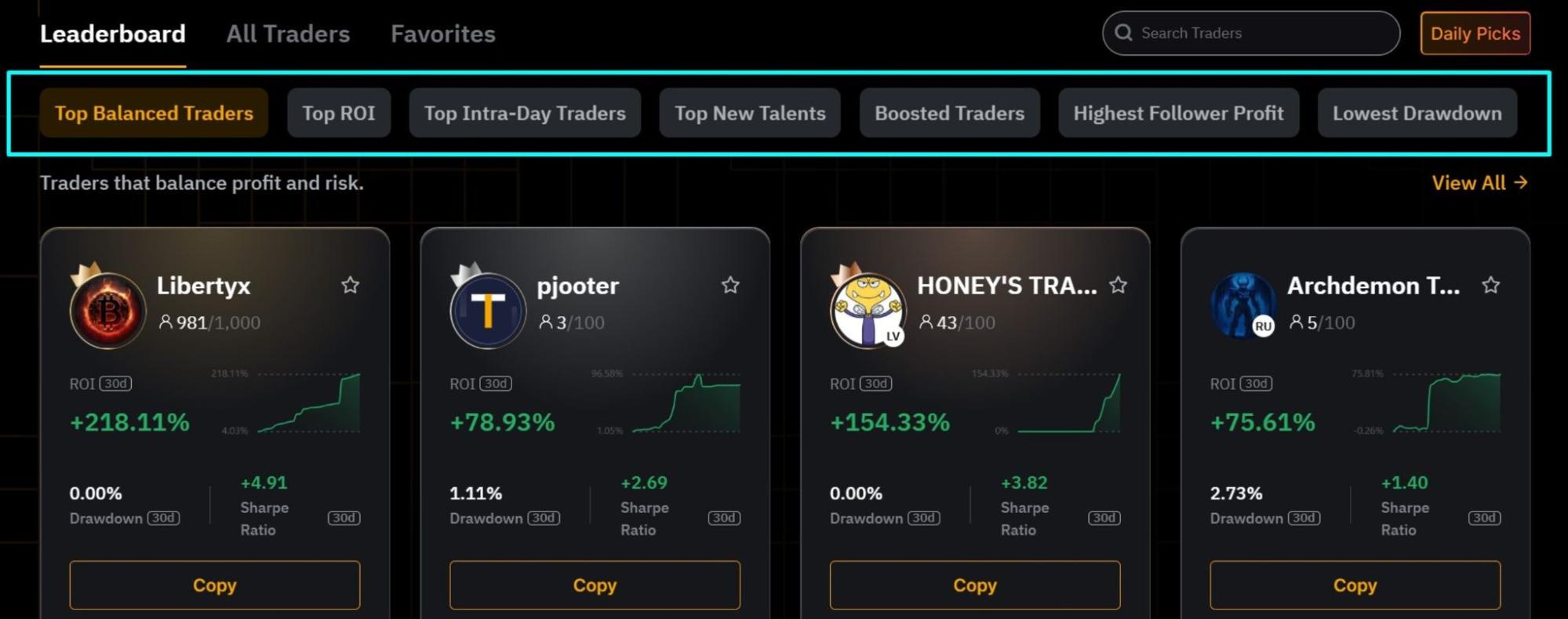
While copy trading can be profitable, outcomes vary depending on market conditions, the trader’s expertise, and the amount you invest. So take advantage of the marketplace and the data provided on each trader to analyze past performance, risk tolerance, and trading history before copying them to make informed decisions.
At any point, you can decide to stop copying a trader or make real-time adjustments based on performance and market volatility. That said, let’s break down copy trading pros and cons in the table below:
Social Trading vs Copy Trading
Social trading enables individuals to participate in the market through shared ideas and discussions. It connects traders who exchange insights, compare strategies, and study market conditions together. This approach promotes active learning and independent decision-making, while maintaining full control for each trader.
For example, a trader might post a market analysis suggesting that Bitcoin could rise because institutional investors are showing renewed interest in the cryptocurrency. Others in the community review that information, discuss possible outcomes, and decide whether to open similar positions. Learning occurs through interaction and personal evaluation, rather than automation.
On the other hand, copy trading is completely automated. Once an experienced trader is selected, every trade executed by that professional is instantly replicated in the follower’s account. The actions occur according to the amount allocated, removing the need for manual confirmation. It is designed for convenience and for users who prefer a passive trading experience guided by proven strategies.
Let’s say your chosen professional opens a long position on Ethereum; the same position appears in the follower’s (your) account at the same moment. When that professional closes the trade, the follower’s position closes as well. The entire process is run through automation, eliminating the need for personal input or chart analysis.
Mirror Trading vs Copy Trading Strategy
Copy trading and mirror trading are both automated strategies that allow traders to replicate successful trading actions, but they differ primarily in what and how investors replicate strategies. In copy trading, you duplicate the exact individual trades of a successful trader in real-time. You have more control, including the ability to choose which traders to follow, how much to allocate, and the option to manually intervene in trades if desired.
Mirror trading, on the other hand, involves replicating a predefined trading strategy, often algorithmic or systematic, rather than copying an individual’s trades. Here, any trade you decide to copy is automatically replicated without any manual intervention.
How to Start Copy Trading For Beginners
Starting with copy trading is a simple process. Below are the key steps to help you get started:
- Create an Account on a Reliable Platform: Begin by signing up on a trusted copy trading platform, such as Binance, Bybit, MEXC, or eToro. Provide accurate details during registration and complete KYC if required, with the valid identification documents to avoid verification or withdrawal issues later.
- Deposit Funds: After verification, fund the trading account using supported payment methods such as crypto wallets, cards, or bank transfers. Begin with an amount that falls within a comfortable financial range and aligns with your trading goals.
- Select a Professional Trader to Copy: Review available traders and study each profile carefully. Pay attention to performance history, trading strategy, risk appetite, and return rate. Choose a successful trader whose style aligns with personal goals instead of focusing only on profits.
- Set Allocation and Start Your Copy Trading Journey: Decide how much of the account balance to allocate to the chosen trader. Once confirmed, the trading system automatically replicates the trader’s actions in real-time. Trades can be tracked live, and allocation can be adjusted or stopped at any point.
How to Successfully Copy Trade on Trading Platforms
Success in copy trading depends on more than choosing a professional to follow. An effective copy trading strategy can yield consistent results over time. Having said that, here are factors that can help you earn profits on copy trading.
1. Evaluate Trader Metrics
A trader’s past performance reveals how skilled and consistent they are. These records, called trader metrics, help copy traders see beyond short-term profits to the patterns that define long-term success. The most important performance metrics include profit ratio, maximum drawdown, and average holding time.
For the best results, choose traders who not only have reasonable maximum drawdowns but also recover quickly from losing periods and show consistency across these metrics. Also, don’t work with only win rates. A trader with a 60% win rate but an average loss twice the size of their average win may be using a trading strategy that could lead to major losses.
2. Avoid Emotional Copy Trading Decisions
Emotional reactions are one of the main reasons many copy traders lose focus. Once a trader has been carefully selected, success depends on patience and consistency. Constantly switching between traders or closing positions too early can disrupt potential gains. It is better to allow the strategy to play out rather than reacting to temporary losses or market noise.
3. Keep Track of Market Trends
Even with automation, there are no guaranteed profits because copy trading still depends on movements and market volatility of cryptocurrencies. Regularly reviewing market conditions helps to identify changes that may influence the traders being followed. Cryptocurrency prices often respond to global factors such as regulatory updates, institutional investments, shifts in economic policy, and even investors’ sentiments.
One way to stay informed is through reliable cryptocurrency news aggregators and active trading communities, which ensure timely awareness of market movements. Following professional insights and observing sentiment across social platforms provides context for sudden market shifts.
4. Choose the Right Copy Trading Platform and Traders
Use reputable copy trading platforms with robust execution, low fees, and clear performance data. Also, ensure that your region/country is not banned from using the platform. Once you’re onboarded, learn more about the platform’s features for manual overrides, trade notifications, and analytics. Also, analyze the lead’s historical performance, check their risk profile, maximum drawdowns, and trading style to ensure it aligns with your risk tolerance and goals.
Conclusion – Should we start copy trading?
Copy trading is a great way for beginners in the cryptocurrency space and busy traders to earn profits by following the trading strategy of more experienced traders. However, real success comes from making the right decisions about who to follow and other factors, rather than relying completely on automation. Understanding trader metrics, maintaining emotional discipline, and staying updated on market trends help reduce risk, improve consistency, and potentially increase your trading outcomes.