
Published on
January 2, 2026
The travel experience across Europe will undergo significant changes in 2026, with the introduction of biometric entry systems, increased tourist taxes, and higher fees for popular attractions. These updates are part of the EU’s effort to enhance border security, manage tourism more efficiently, and cope with overtourism. Travelers will need to be prepared for longer wait times at borders and potential cost hikes, from airport fees to museum entries, making it essential to stay informed about these developments ahead of your trip.
As travel continues to evolve, Brits planning their holidays in 2026 should prepare for some significant changes in regulations, from biometric entry systems to tourist taxes. These alterations, designed to enhance security and manage tourism flows, will impact everything from airport procedures to the cost of visiting popular destinations. Here’s what you need to know ahead of your 2026 travels.
EU Entry and Exit System (EES)
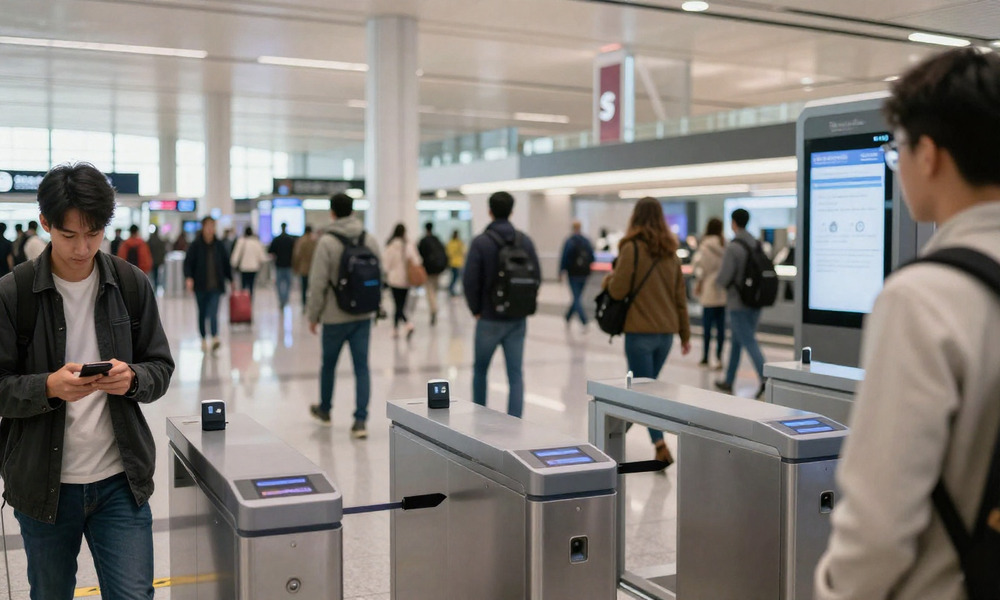
One of the most significant updates for Brits traveling to the European Union is the implementation of the Entry and Exit System (EES), which will require travelers to provide biometric data such as fingerprints and facial images at the border. The system, designed to replace manual passport stamps, aims to streamline border controls and better monitor travelers, particularly those staying longer than allowed. Though initially delayed, it’s now being rolled out across the Schengen Area, with full implementation expected by April 10, 2026.
For travelers heading to the EU in early 2026, there may be some initial confusion as not all airports will be ready. The Port of Dover, for example, has postponed its rollout of the EES for car passengers until early 2026. While this may cause some delays in processing, it’s important to remember that once fully operational, the process will be automated, meaning no pre-trip action will be required. Travelers should, however, expect longer lines as both travelers and border officials adjust to the new system.
ETIAS: European Travel Information and Authorisation System
Alongside the EES, another new rule Brits must be aware of is the European Travel Information and Authorisation System (ETIAS), set to launch in 2026. This system will function similarly to the US ESTA, allowing visa-exempt travelers to enter the Schengen Area without the need for a traditional visa. The ETIAS is expected to cost €7 (approximately £6.10), and once approved, it will remain valid for three years or until the passport expires.
Though no specific launch date has been set, the official ETIAS website indicates a planned rollout in late 2026, with a potential delay. Like any travel authorization, applications should only be made through the official ETIAS site to avoid third-party scams.
Tourist Taxes and Increased Entry Fees
Overtourism continues to be a pressing issue for many destinations, and several cities have responded by implementing tourist taxes. These are typically small charges added to hotel bills, but they can add up quickly, especially for longer stays. Edinburgh, for example, will introduce a 5% surcharge on hotel bills starting in July 2026. Thailand is also jumping on the bandwagon, introducing a 300 baht (roughly £7) fee for air passengers.
But it’s not just cities imposing taxes—attractions are also raising their entry fees. Starting in 2026, Brits traveling to the Louvre in Paris will pay €32 (approximately £27.86) for entry, up from €22 (about £19.15) for EU residents. This price difference, a result of the UK’s exit from the EU, means that travelers from outside the EEA will be paying significantly more. Meanwhile, the US National Parks will also introduce a two-tier pricing system. Non-American tourists will face an additional $100 surcharge for entrance to popular parks like the Grand Canyon, making it much more expensive for international visitors to explore these natural wonders.
Changes to Liquid Rules at Airports
Air travel regulations are constantly changing, especially when it comes to carrying liquids. New technology is making it possible for airports to relax the long-standing 100ml liquid limit in hand luggage. For example, at airports like Birmingham, Gatwick, and Edinburgh, passengers can now carry up to two liters of liquids in their hand luggage, thanks to enhanced scanning technology. However, the rule still applies at airports like Luton, where travelers must stick to the 100ml limit, although they no longer need to remove liquids from their bags for scanning.
It’s crucial for travelers to check the liquid rules at both their departure and arrival airports, as they may differ. If you’re flying from the UK with a two-liter bottle, it could be subject to different regulations on the return trip, so be sure to pack accordingly.
Tightening of Smoking and Vaping Regulations
In 2026, several tourist hotspots in Spain, particularly Barcelona and the Balearic Islands, will tighten restrictions on smoking and vaping in public places. In some areas, smoking is already prohibited on beaches, and new proposals aim to extend these bans to include outdoor spaces like bar terraces and other popular tourist areas. The Canary Islands are also introducing penalties for smoking violations, with fines ranging from €30 to €2,000 (roughly £26 to £1,730). These new rules will likely be enforced starting in 2026, making it essential for smokers and vapers to adhere to the local regulations to avoid hefty fines.
Crackdown on Unruly Passengers
New laws are being introduced across the EU to crack down on disruptive passengers. France has already enacted a law that will see fines of up to €10,000 for travelers who engage in disruptive behavior, such as refusing to follow safety instructions or using electronic devices when prohibited. Repeat offenders could face even higher fines and a ban from flying for up to four years. This strict regulation is aimed at improving passenger behavior and safety, and similar laws are expected to be adopted across other EU nations.
Final Thoughts
The changes coming in 2026 will undoubtedly impact British holidaymakers. From the EU’s new entry-exit system to increased tourist taxes and altered liquid rules, travelers will need to adjust to a new set of rules and regulations. While some changes will make travel smoother and more secure, others may result in higher costs or longer wait times at airports and attractions. Staying informed and planning ahead will help ensure a smoother journey, so keep an eye on the latest developments before your next trip.
