

Published
02/01/2026 às 09:42
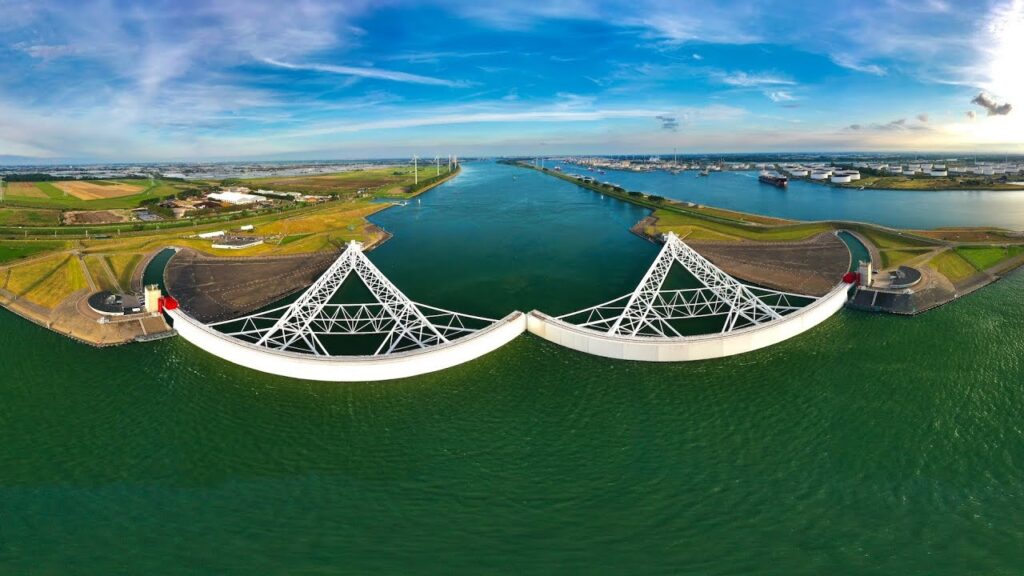
On the coast of The NetherlandsA gigantic structure is activated only when the risk is real. It is not permanently closed nor does it impede the normal flow of the sea, but moves on its own when storms threaten densely populated areas.
The building was designed to protect RotterdamIt is one of the largest ports on the planet and serves as a last line of defense against the force of the North Sea in extreme situations.
Known as MaeslantkeringThis mobile barrier has become a global benchmark for combining automation, heavy engineering, and climate control in a single structure capable of moving with millimeter precision.
See also other features
-
The underground temple in Japan was built to divert floods, has 6,4 kilometers of tunnels, 5 giant silos and 59 pillars, and has become a world reference in flood control.


-
How much does it cost to protect the facade of a low-cost house with regular acrylic paint versus acrylic texture: a real comparison of prices per square meter, durability, maintenance, and moisture resistance.

-
A mud house built from scratch in five weeks becomes a spectacle: the handcrafted work uses earth, straw, and local wood, challenges traditional construction methods, and showcases step-by-step an ancestral, sustainable construction technique.

-
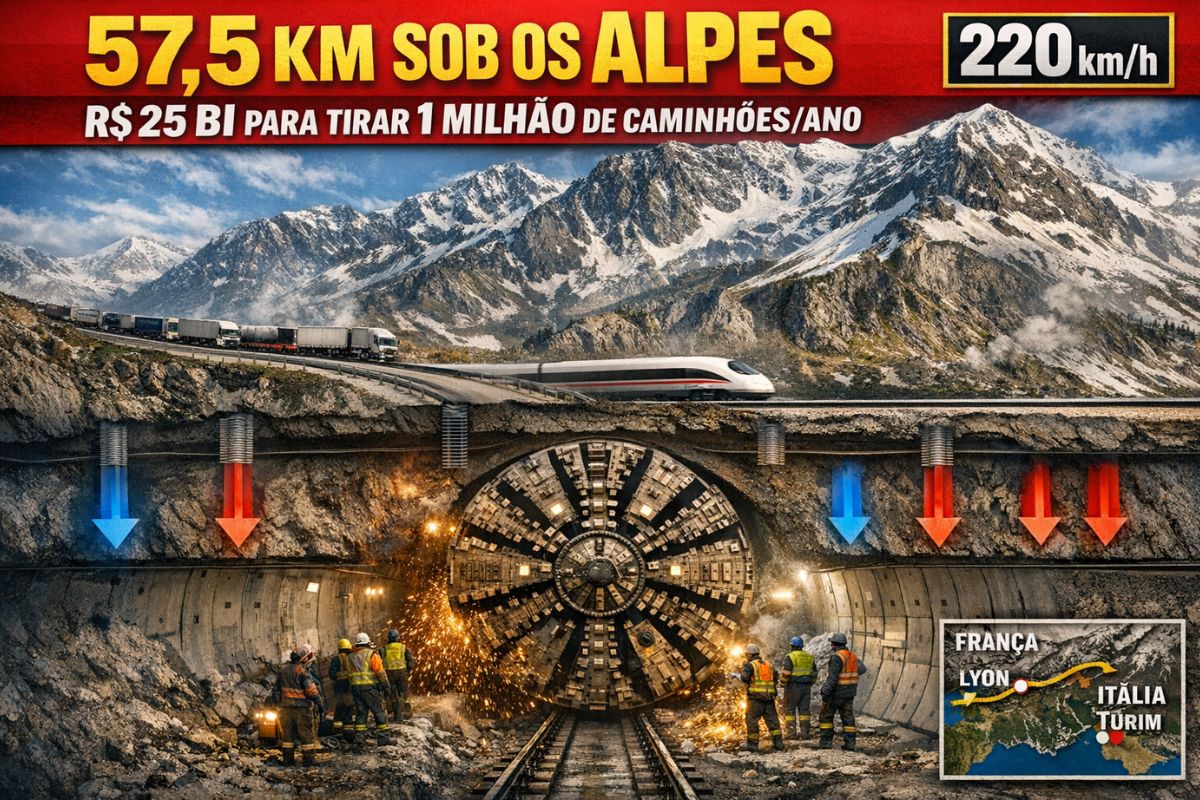
The Mont Cenis Tunnel, spanning 57,5 km beneath the Alps, connects France and Italy, cost 25 billion euros, promises trains reaching 220 km/h, and will remove 1 million trucks per year from the roads.
What happened and why did it attract attention?
The barrier is noteworthy because it doesn’t rely on operators during critical moments. The entire system was designed to… to decide and act alone when certain risk levels are reached.
When the sea rises beyond the safe limit, the gates slowly move, closing the passage of water and forming a temporary wall that prevents the high tide from entering.
This automatic behavior transformed the structure into a symbol of how engineering and technology can anticipate disasters without direct human intervention.
Where is the barrier located and what problem does it solve?
A Maeslantkering It is located near the city of Rotterdam, connecting the banks of a canal that provides access to the port and low-lying urban areas.
Much of the Dutch territory lies below sea level. Storms from the North Sea can push large volumes of water into canals and rivers, creating an immediate risk of flooding.
The barrier was built to protect this strategic region without permanently blocking navigation, which is essential for the local economy.
How does the automatic closing of the structure work?
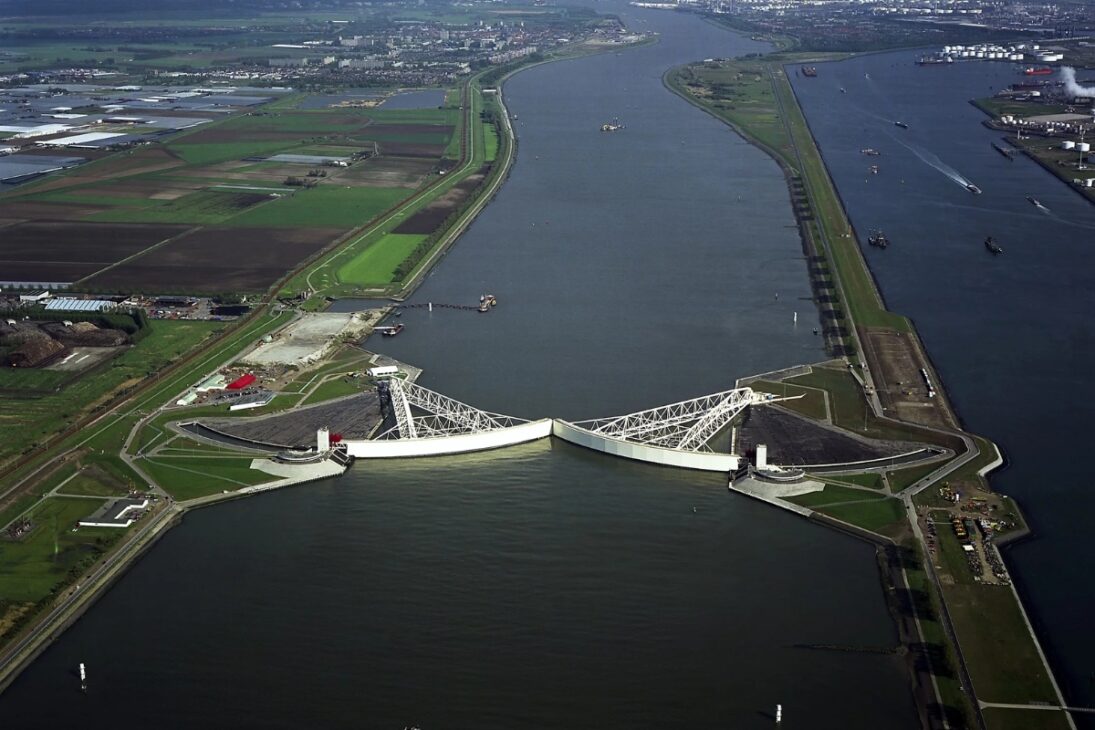
Under normal conditions, the gates remain open and allow ships to pass through. When the water level reaches a critical point, the system begins to close them gradually.
Each gate has 210 meters long and moves to the center of the channel, where they both meet and form a continuous barrier against the advancing sea.
Following the extreme event, the process is reversed and the gates return to their original position, restoring the normal flow of water and maritime traffic.
The numbers that explain the scale of Maeslantkering
The scale of the work is impressive, even by European standards. 210-meter gates They are among the largest moving parts ever built for water control.
The entire structure was designed to withstand extreme forces, maintaining stability even under intense pressure from severe storms.
This combination of size, weight, and precision has made the barrier a global benchmark in coastal defense solutions.
Why have mobile barriers become essential in coastal regions?
In areas where cities, ports, and industries coexist with the sea, permanently closing everything off is not a viable option. Mobile barriers emerge as an interim solution, providing protection when necessary and remaining open the rest of the time.
This model allows for risk reduction without compromising essential economic activities, such as international shipping and logistics.
In the case of MaeslantkeringThe structure functions as physical insurance against rare but potentially devastating events.
The direct impact on Rotterdam and surrounding areas
The presence of the barrier provides an extra layer of security for Rotterdam and to nearby low-lying areas, where rapid sea level rise could cause severe damage.
In addition to physical protection, the structure influences urban planning and risk management, allowing vulnerable areas to continue operating with less exposure to disasters.
The automatic barrier in the Netherlands demonstrates how large-scale engineering can operate discreetly, activating only when the sea threatens to exceed safe limits.