
Synopsis – European military leaders are increasingly blunt: the continent is living in a gray zone “between peace and war,” and societies must prepare now for a potential confrontation with Russia by the end of the decade.
-In France, Gen. Fabien Mandon’s warning that the country must be ready to “accept losing our children” sparked political outrage, underscoring how unprepared many publics are for the human costs of deterrence.
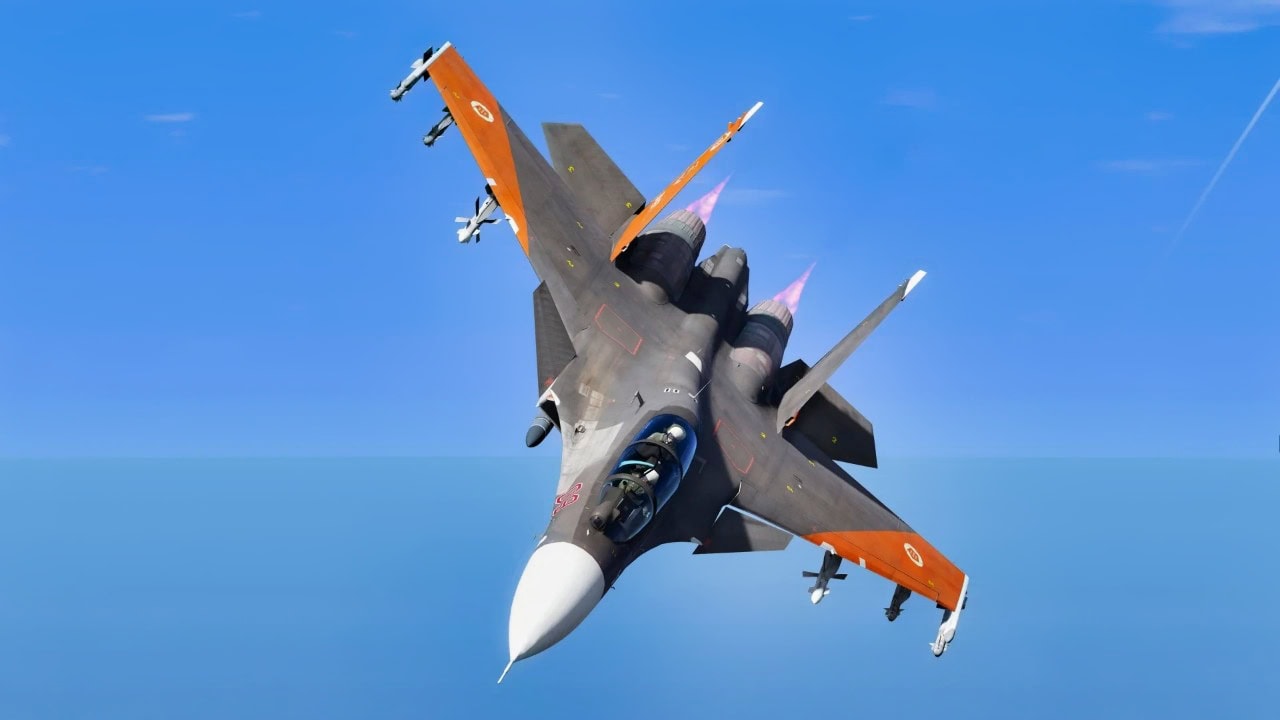
Su-30SM fighter. Image Credit: Creative Commons.
-NATO’s Mark Rutte and Britain’s top officer echoed the same theme: security cannot be outsourced to the armed forces alone.
-Polling highlights a sharp divide—Poland and the Baltics expect danger, while parts of Western Europe remain skeptical, even as majorities doubt their countries could defend themselves.
Europe’s Generals Have a Message: “Prepare for War” with Russia
Fort Lauderdale, Florida – As Blaise Metreweli, the new head of MI6, the UK’s secret intelligence service, famously said in mid-December, we are operating “in a space between peace and war.” Most of those familiar with the manner in which Russia has been prosecuting its war in Ukraine understand what she was talking about.
However, according to a piece in The Economist on the eve of the New Year, most of Western Europe’s populations and the leaders who govern them are still “struggling” to grasp what that means to them operationally.
For countries close to Russia—especially the Baltics, Poland, and the Nordics—the need for a nation to support “war readiness” is a concept they have been familiar with for years. “But in capitals like Paris, which is closer to Algiers than to Kyiv, the threat feels distant: something to watch on the small screen,” reads the article.
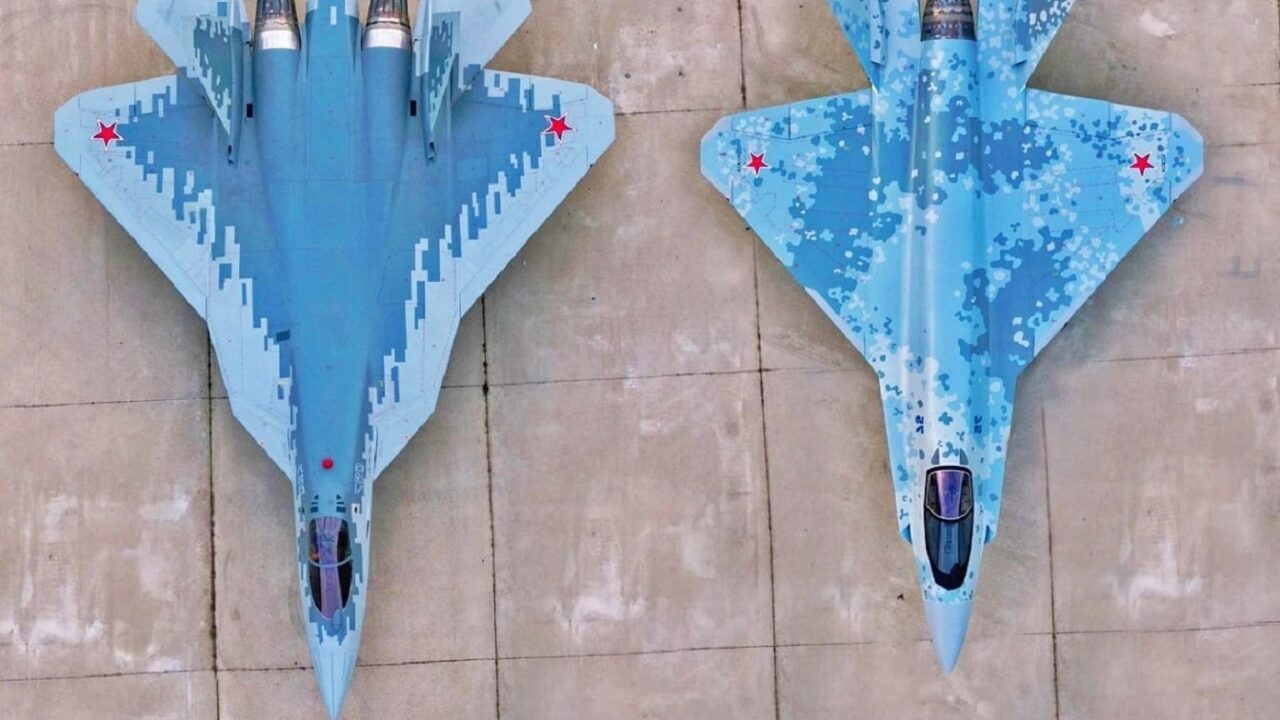
Russian Su-57 and Su-57 Stealth Fighters. Image Credit: Russian Government.
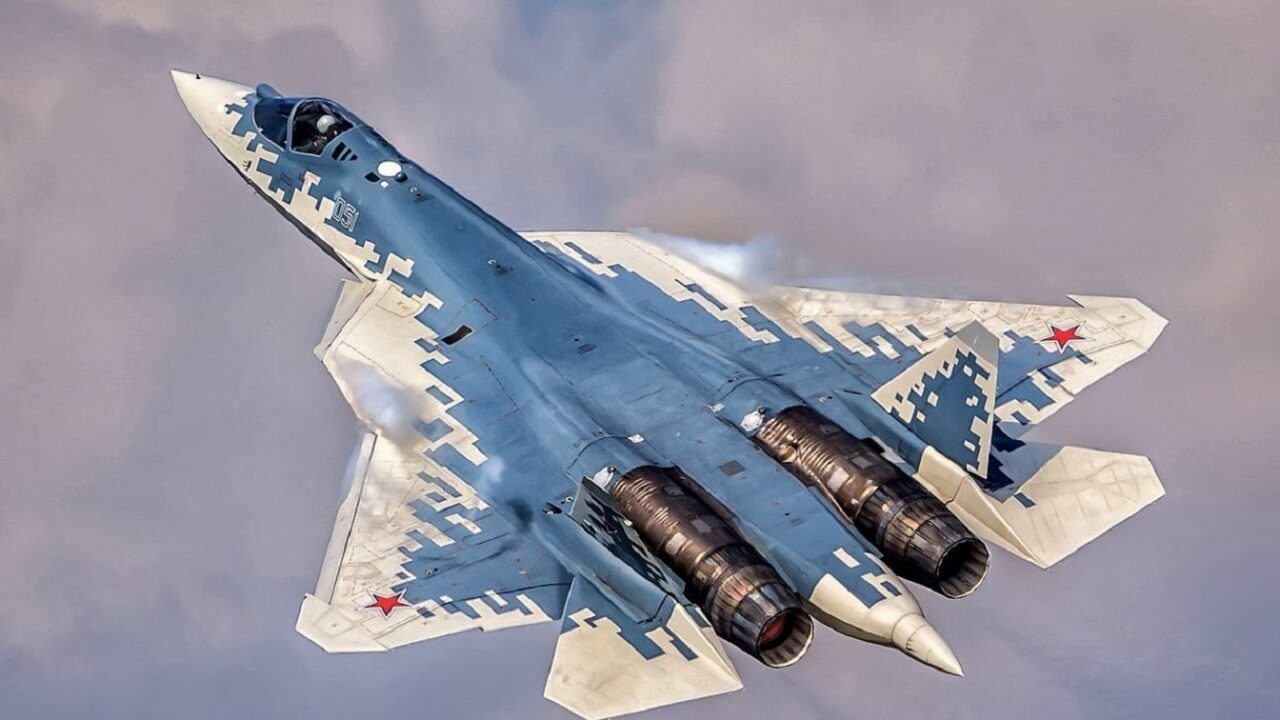
Russia’s Su-57 Felon Stealth Fighter. Image Credit: Creative Commons.
Asking the already-overly taxed populations of these nations to support more public spending on defense is one issue no one wants to sign up for. But the even more ominous implications that are the consequences of the proverbial “balloon going up” are an even more contentious subject.
The Human Cost
In November, General Fabien Mandon, head of France’s armed forces, shocked an audience at a congress of mayors with this warning when he said, “We have to accept losing our children.”
His remarks were consistent with other public statements the general has made. Many of them fall into the category of his warning of a coming confrontation with Russia and his emphasis on the need for psychological—as well as economic and military—preparation for the population.
The possibility of a conflict with Russia by 2030, he said, means that everyone, not just the armed forces, has to be ready. France, he continued, would be vulnerable if it were not prepared to suffer.
Mandon’s statements have generated no small amount of ire and denunciation. Yet his words were met with indignation and incredulity. Jean-Luc Mélenchon, who is the head of the far-left France Unbowed party, responded that he “totally disagreed” with the armed forces’ chief of staff.
“It’s not his job to invite mayors or anyone else to start making military preparations that no-one has agreed on,” he said. Other left-of-center French political leaders had equally vituperative reactions.
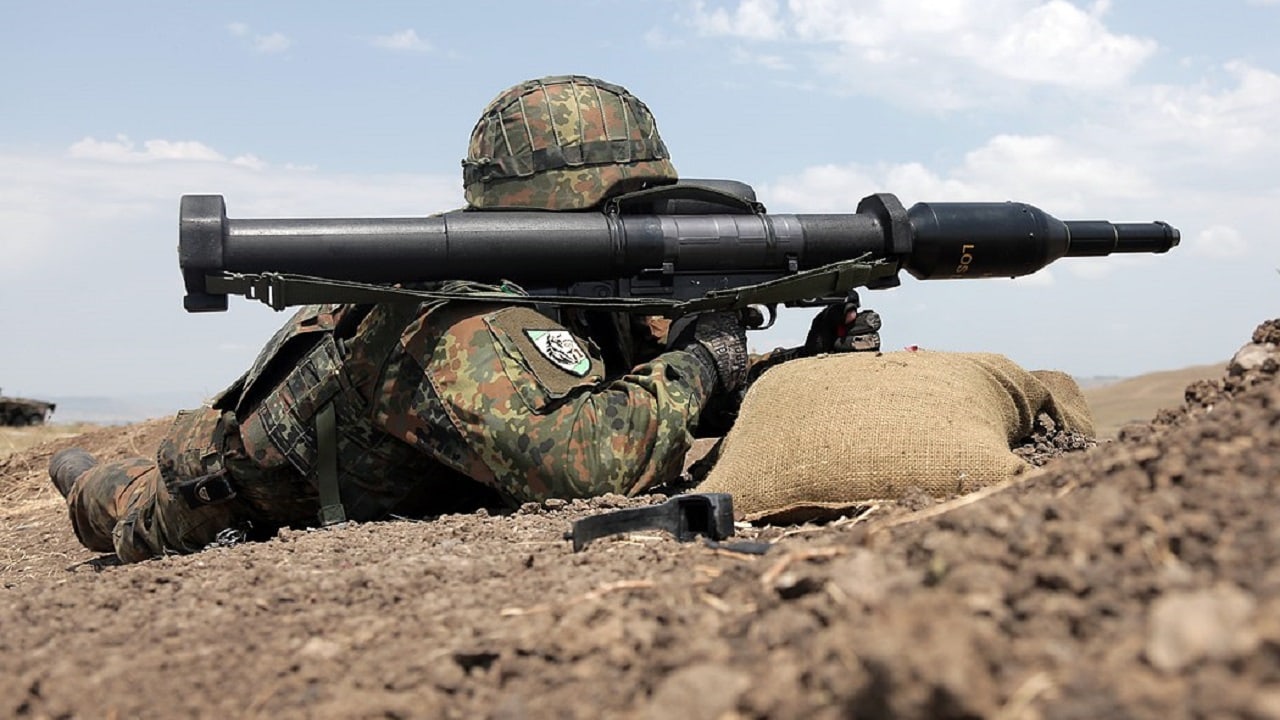
German Army Cpl. Vadim Ganshi, assigned to 2nd Company, Infantry Battalion 291, French German Brigade, awaits orders to fire a Panzerfaust 3. Vaziani, Republic of Georgia, Aug. 5, 2017. Noble Partner 17 supports Georgia in conducting home station training of its second NATO Response Force (NRF) contribution. Noble Partner will further enhance NFR and Operational Capabilities Concept interoperability and readiness in order to support regional stability. (U.S. Army photo by Spc. Hayley Gardner).
Only Raphael Glucksmann—the strongly pro-Ukraine MEP and head of the Place Publique [Public Square] party—made any remarks supporting General Mandon. “By the strength of their reactions, these ostriches merely underline the state of denial and capitulation that is so strong in the French political class. Gen. Mandon is right to alert the nation about the need to change its state of mind,” he stated.
Whole of Society Approach
Earlier in November, the French general told a defense magazine that “by living for so long in peacetime, we find it hard to fully comprehend the dangers which now surround us and the intransigence of certain players.”
“The Russians for their part do not know peace. They have been at war in Ukraine for years and they are ready to pursue it.” In October, he had told the National Assembly’s defense committee, “The first objective I have given the armed forces is to be ready for a confrontation in three or four years, which may come in the form of a test.”
“Russia is a country which could be tempted to pursue war on our continent and that is the determining factor as I make my plans,” he said.
He is not alone in his position. On December 11, Mark Rutte, the NATO secretary-general, said, “We must be prepared for the scale of war our grandparents or great-grandparents endured.” A few days later, Air Chief Marshal Sir Richard Knighton, the head of Britain’s armed forces, declared that security “cannot be outsourced only to the armed forces.”
But when it comes to civilian populations’ attitudes toward war-readiness, there is a widening gap between the Nordic, Baltic, and Polish attitudes and those of Western European nations.
A nine-country poll published in December confirmed this disparity: 77 per cent of Poles thought there was a “high risk” of war with Russia in the coming years, compared with just 34 per cent of Italians.
One sole sign of hope is that at least some Europeans agree they are not ready for an armed conflict. A combined average of 69 per cent said their country would not be able to defend itself against Russia.
This included 85 per cent of Italians, 69 per cent of Germans, 58 per cent of Poles, and 51 per cent of France’s population.
About the Author: Reuben F. Johnson
Reuben F. Johnson has thirty-six years of experience analyzing and reporting on foreign weapons systems, defense technologies, and international arms export policy. Johnson is the Director of Research at the Casimir Pulaski Foundation. He is also a survivor of the Russian invasion of Ukraine in February 2022. He worked for years in the American defense industry as a foreign technology analyst and later as a consultant for the U.S. Department of Defense, the Departments of the Navy and Air Force, and the governments of the United Kingdom and Australia. In 2022-2023, he won two awards in a row for his defense reporting. He holds a bachelor’s degree from DePauw University and a master’s degree from Miami University in Ohio, specializing in Soviet and Russian studies. He lives in Warsaw.