
 Malta Ranger Unit
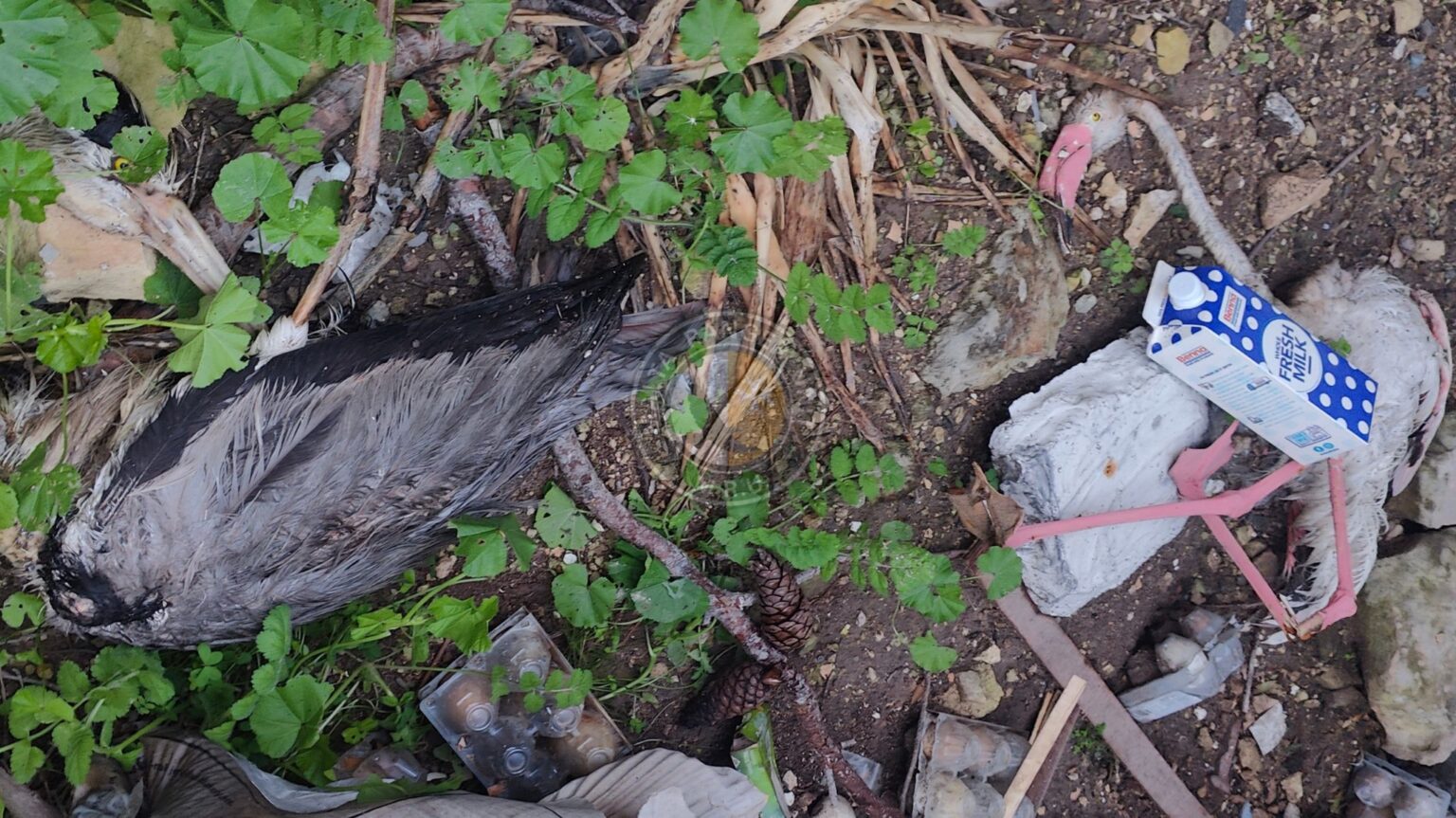
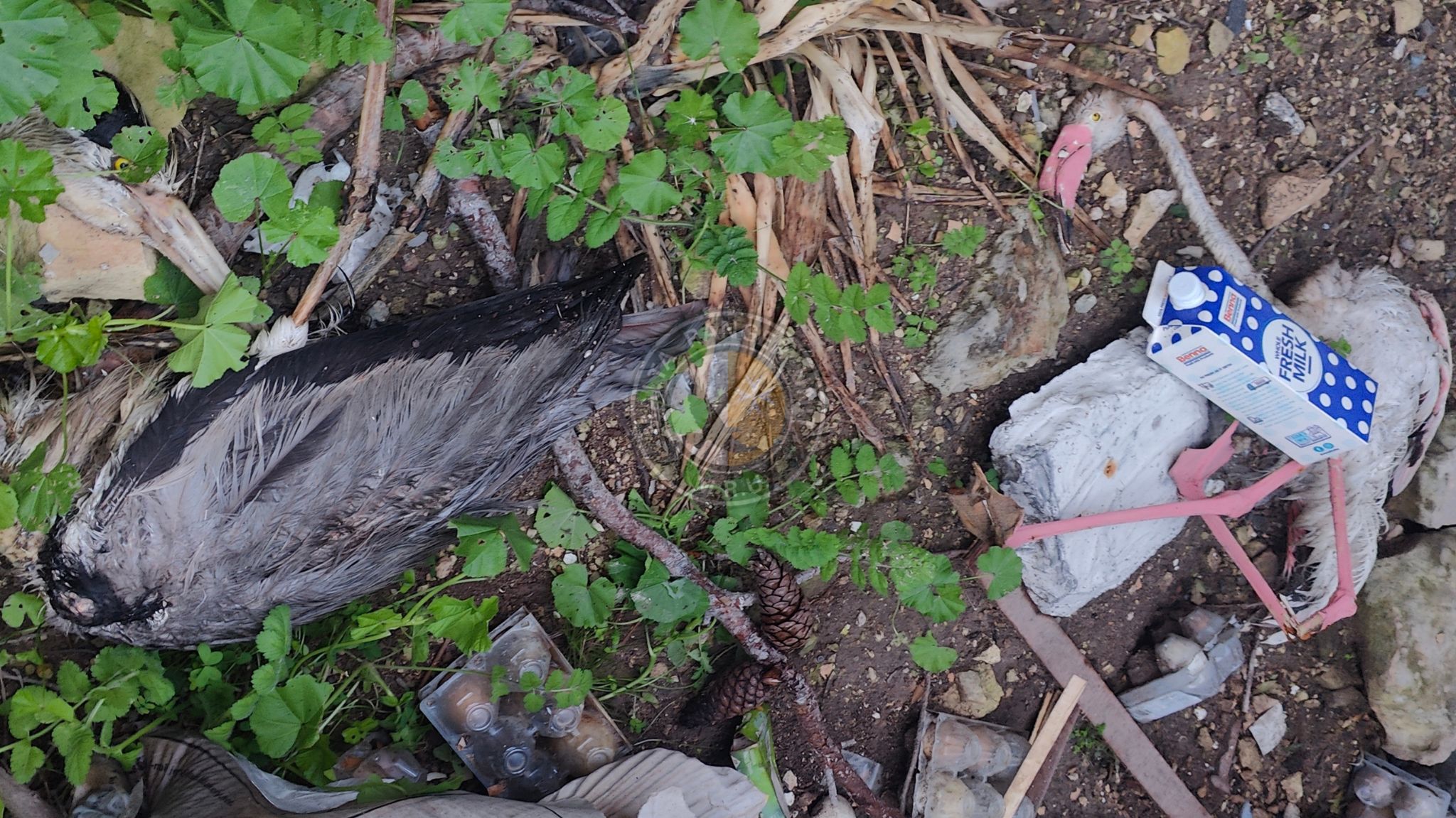
Two stuffed birds, one flamingo and one Heron, were illegally dumped in St Julian’s valley and later retrieved by the Malta Ranger Unit.
On Facebook, the NGO said that after a member of the Public made a report, its rangers tracked down the taxidermied birds and alerted the EPU police.
The birds were then taken away by the Officers who arrived shortly on site.
The Malta Ranger Unit said that the legal disposal of taxidermy specimens in Malta requires specific procedures, particularly as it relates to protected wildlife, while it emphasised that you cannot just dump collections of taxidermy.
The Wild Birds Regulation Unit (WBRU) is the primary Authority responsible for regulations concerning wild birds, including possession, transfer, and disposal of specimens.
The organisation said that this entity also manages the registration process for legal collections and can provide guidance on disposal, and noted that one can also contact the EPU Police or ERA for help.
Amnesties fuel continued illegalities, BirdLife Malta says
In reaction, BirdLife Malta said that historic taxidermy amnesties are a direct cause of ongoing illegal hunting in Malta.
The conservation group revealed that hunters declared over half a million stuffed birds during two government amnesties, but the collections were never fully verified.
A 1997 Labour Government amnesty saw 240,000 birds declared, followed by a further 282,000 during a 2003 PN government amnesty. An incomplete verification process means it remains unconfirmed if these birds were ever legitimately possessed.
BirdLife added that the amnesty lists effectively became “wish lists”, incentivising the illegal killing of protected species to fill declared collections.
“Over time, a verification process was initiated by the Maltese authorities but was never completed. Consequently, it has never been confirmed whether hunters actually possess the stuffed birds they declared in these two amnesty lists.
Some hunters claimed to have certain bird species in their collections which, in reality, they did not possess. These lists therefore became “wish lists”, with the intention of acquiring the birds before their collections were verified. This has allowed the illegal hunting of protected birds to continue.”
The organisation condemned the situation, asking: “When will we start taking the illegal killing of birds seriously?”

