
Published on
January 3, 2026
By: Paramita Sarkar
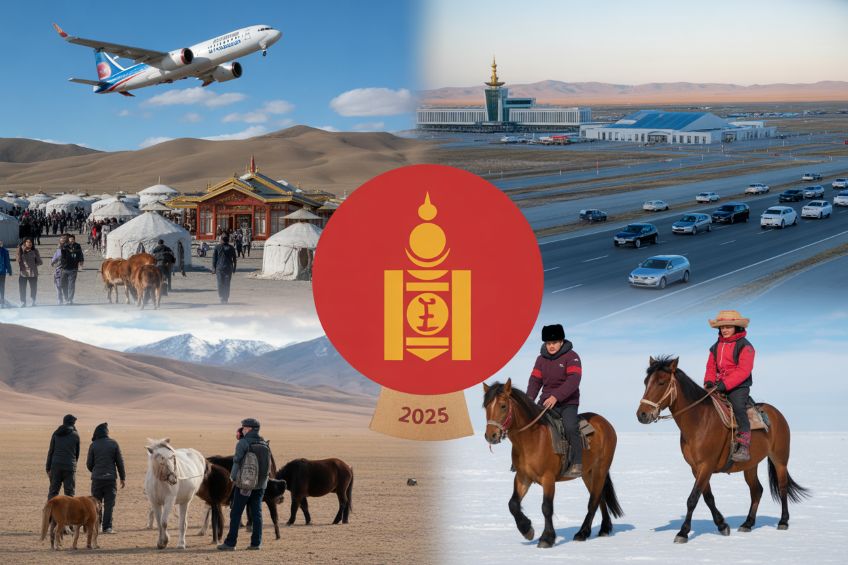
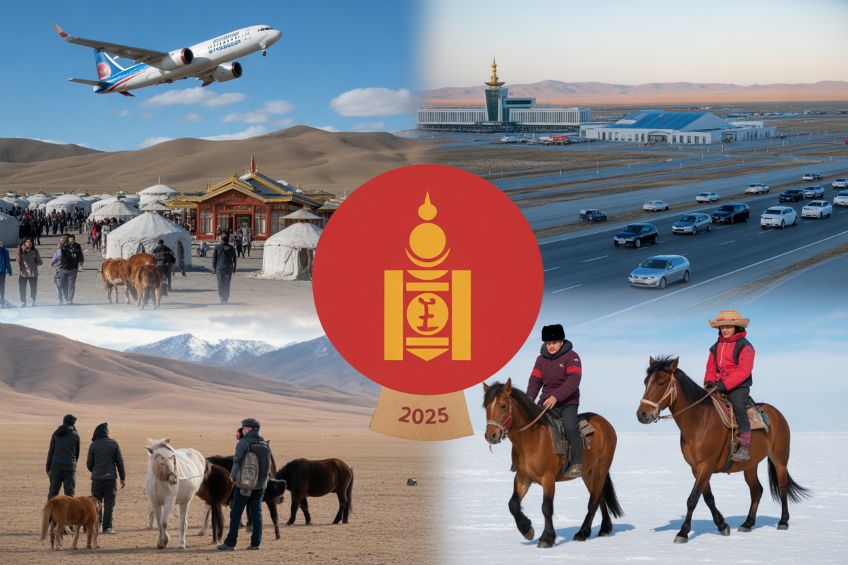
Mongolia has officially earned its place among the top 20 fastest-recovering global tourism destinations according to the November 2025 UN Tourism Barometer, marking a stunning rebound in its tourism industry. After years of pandemic-related setbacks, Mongolia has reported a 44% increase in international tourist arrivals in 2025 compared to pre-pandemic levels. With a 16% increase in arrivals from January to September 2025, the country’s growth rate is double the Asia-Pacific regional average of 8%.
This surge in tourism is a significant achievement for Mongolia, as it ranks as one of the top 20 destinations for tourism recovery globally. France, Spain, Australia, and other countries now enjoy visa-free access to Mongolia, offering 30-day stays until 2027. This policy, part of the broader “Years to Visit Mongolia” initiative, aims to sustain the booming tourism sector through 2028.
Who Are the Key Drivers Behind Mongolia’s Tourism Surge?
The Mongolian government has implemented several strategic initiatives to boost tourism, resulting in record-breaking recovery metrics. These strategies focus on accessibility, infrastructure improvement, and diversifying tourism offerings:
Visa-Free Expansion
One of the most notable initiatives is Mongolia’s visa-free policy, which was officially extended on December 31, 2025, allowing citizens of 34 countries—including France, Spain, Australia, and several others—to visit without a visa for up to 30 days for tourism purposes. This policy, which has been extended through January 1, 2027, is aimed at making travel easier for international tourists, particularly from major markets in Europe, Oceania, and Asia.
In addition to this extension, South Korea has seen a significant rise in visitors, with a 90-day visa-free stay exemption extended until December 31, 2026. This has driven an influx of South Korean tourists, who are increasingly attracted to Mongolia’s diverse cultural and natural attractions.
“Years to Visit Mongolia” Initiative (2023–2028)
The Mongolian government’s “Years to Visit Mongolia” initiative, initially launched in 2023, has been extended through 2028, ensuring continued investment in tourism infrastructure, promotion, and service improvements. The government has committed to diversifying the country’s offerings, with a particular emphasis on four-season tourism, including winter activities and off-peak travel options. By attracting visitors during the less-traveled seasons, Mongolia hopes to balance the influx of tourists and reduce over-reliance on the summer months.
What Has Been the Economic Impact of Mongolia’s Tourism Boom?
Mongolia’s tourism recovery has significantly impacted the nation’s economy. In 2025, the country recorded 846,103 international arrivals, a 5% increase from 2024. This surge has directly contributed to the economic diversification efforts of the Mongolian government, moving away from an overreliance on mineral exports.
- Economic Contribution: In 2024, the tourism sector generated approximately $1.6 billion USD, and the growth in 2025 is expected to further strengthen the sector’s contribution to the GDP.
- Infrastructure Development: The growth in tourism has driven increased investment in infrastructure. Chinggis Khaan International Airport has seen expanded international flight routes, making it easier for visitors to travel to Mongolia from key European, Asian, and Oceania markets.
What Are the Key Statistics Behind Mongolia’s Recovery?
The figures speak for themselves. According to the UN Tourism report, Mongolia’s tourism recovery metrics for 2025 are impressive when compared to the pre-pandemic levels of 2019. The overall growth rate is a staggering 44% higher than the pre-pandemic volume, placing Mongolia among the most resilient destinations in the world.
How Has Mongolia’s Visa Policy Affected Travelers?
The recent extension of Mongolia’s visa-free policy has been a major factor in this surge. Citizens from 34 countries, including members of the European Union, Australia, New Zealand, and South Korea, can now enjoy seamless access to Mongolia for up to 30 days. The extension is valid through January 1, 2027, ensuring a sustained influx of visitors to Ulaanbaatar, the Gobi Desert, and other major tourist sites across Mongolia.
Key Visa-Free Countries:
- European Union (27 countries): Austria, France, Germany, Spain, Italy, and others
- Oceania (Australia, New Zealand)
- United Kingdom: Travelers from the UK can also benefit from the extension, making it easier for British tourists to visit Mongolia without the hassle of visa paperwork.
E-Visa Expansion
For countries not included in the visa-free list, Mongolia has expanded its e-visa system to 98 countries, simplifying the visa process for a broader range of tourists. This expansion is a critical part of the “Go Mongolia 2028” initiative, which aims to enhance access for global travelers.
What Are the Travel Advisories for Visitors in 2026?
As Mongolia experiences a surge in international visitors, travelers are advised to ensure their passports are valid for at least six months beyond their date of entry. Additionally:
- Stay Extensions: Visitors who wish to stay longer than 30 days under the visa-free policy can apply for a one-time 30-day extension.
- Registration Requirement: Foreign nationals staying in Mongolia for more than 30 days are required to register with the Immigration Agency within 48 hours of arrival. This is often managed by local hotels upon check-in.
What’s Next for Mongolia’s Tourism Sector?
Looking ahead, Mongolia’s tourism sector is poised to continue its growth. The government’s focus on winter tourism, sustainability, and infrastructure development will ensure that 2026 remains a year of growth for international visitors. With a strong commitment to making Mongolia an all-season destination, the government aims to keep the momentum going and ensure that Mongolia remains an attractive destination for tourists from France, Spain, Australia, South Korea, and beyond.
The visa-free extensions, alongside growing international flight routes and diversified tourism offerings, signal a bright future for Mongolia in the global tourism landscape.
