
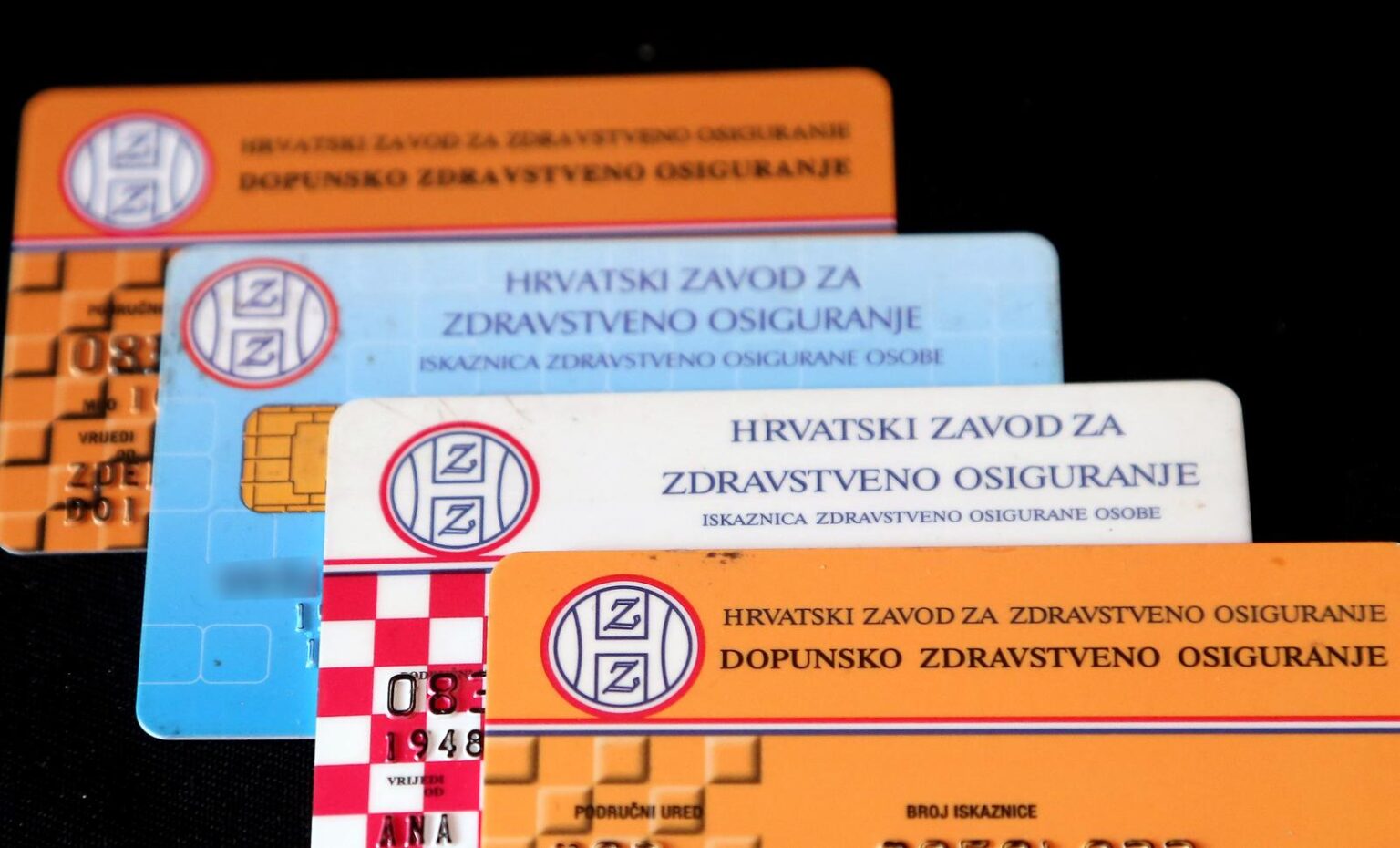
January the 3rd, 2026 – The Croatian supplementary health insurance price won’t increase at the very beginning of 2026 as was warned about not long ago.
As Poslovni Dnevnik writes, the decision to increase the Croatian supplementary health insurance price will not come into force at the beginning of 2026. This is because the public consultation on the topic has only just ended, and the session of the HZZO Administrative Council, which must confirm the decision on the price of DZO, hasn’t yet been convened.
After the Administrative Council confirms the decision on the price increase, there’s a deadline of 30 days in which they must inform insurance policy holders about the new price of the policy. This means that the price increase for Croatian supplementary health insurance will take effect on February the 1st at the very earliest, and this in itself isn’t likely.
HZZO once again stated that socially sensitive groups of persons with Croatian supplementary health insurance policies will continue to be protected. This is because some of them are entitled to entirely free supplementary health insurance based on their income tax.
“HZZO will continue to make sure all insured persons have access to healthcare under equal conditions. This will be done by establishing the proposed new single policy price of fifteen euros per month for all categories of insured persons. That will be carried out in addition to all of the existing mechanisms for protecting socially vulnerable groups of insured persons. That involves ensuring the right to hold a policy at the expense of state budget funds, and implementing the process of harmonisation or increasing the income census that is carried out every year. This will all be carried out without any discrimination, regardless of the age, health condition or risk of illness of the insured person involved,” Novi list reports.
The right to free Croatian supplementary health insurance will also continue to be granted to persons with 100% disability, blood donors who have made more than 25 donations (women) and 35 donations (men), organ donors, full-time students and persons whose monthly income per family member doesn’t exceed 458.08 euros. The same will be the case for people who bring in 573.50 euros or less for single people. HZZO will also fully ensure the payment of health services for pregnant women, but only for health conditions related to pregnancy.
The question is, of course, whether the more expensive supplementary health insurance will dissuade people from state insurance and redirect it to private policies. Their prices are currently cheaper, if we’re talking about younger age groups, but senior citizens cannot count on more favourable supplementary insurance even with private providers.
Subscribe to our newsletter
the fields marked with * are required