
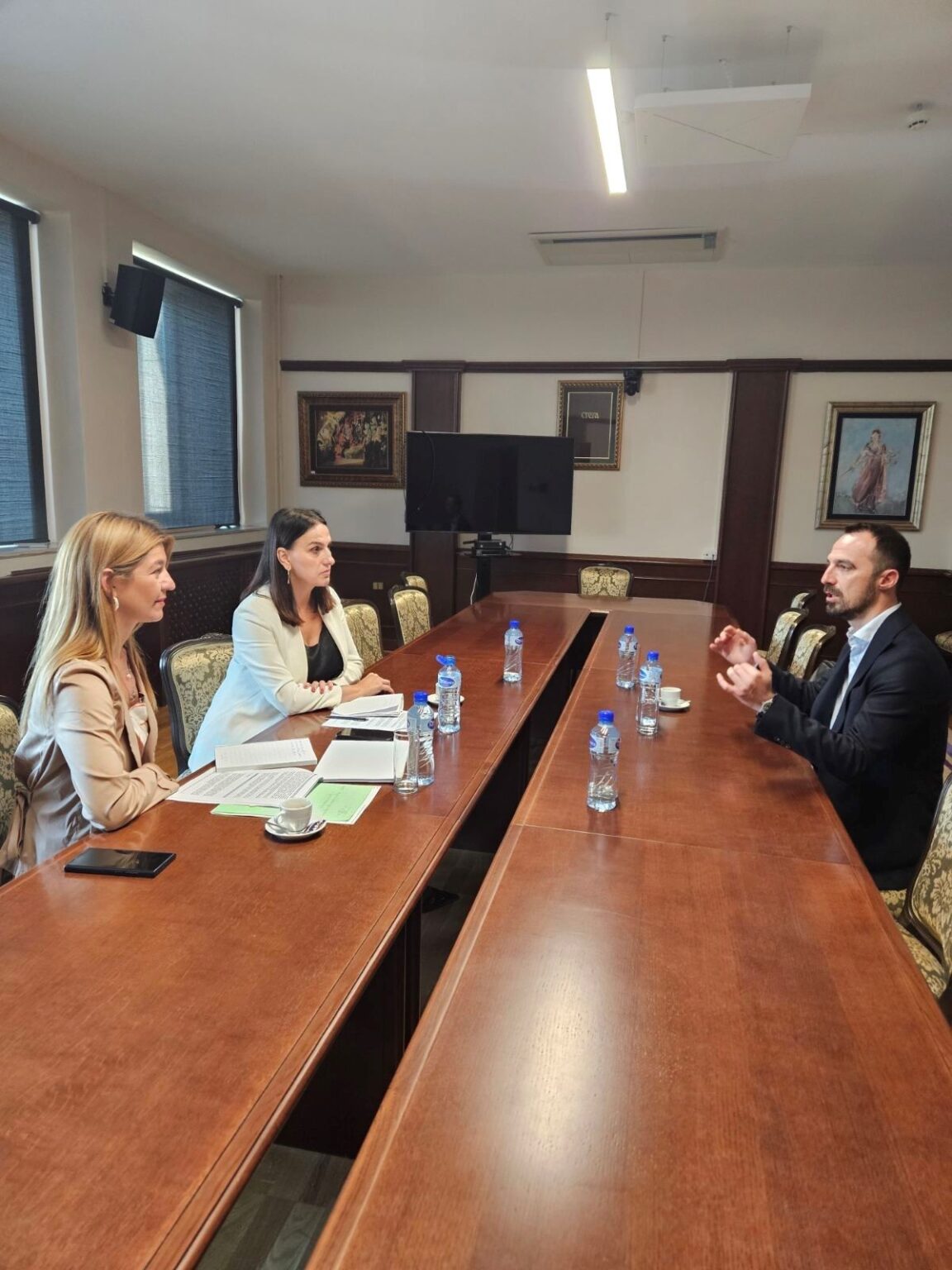
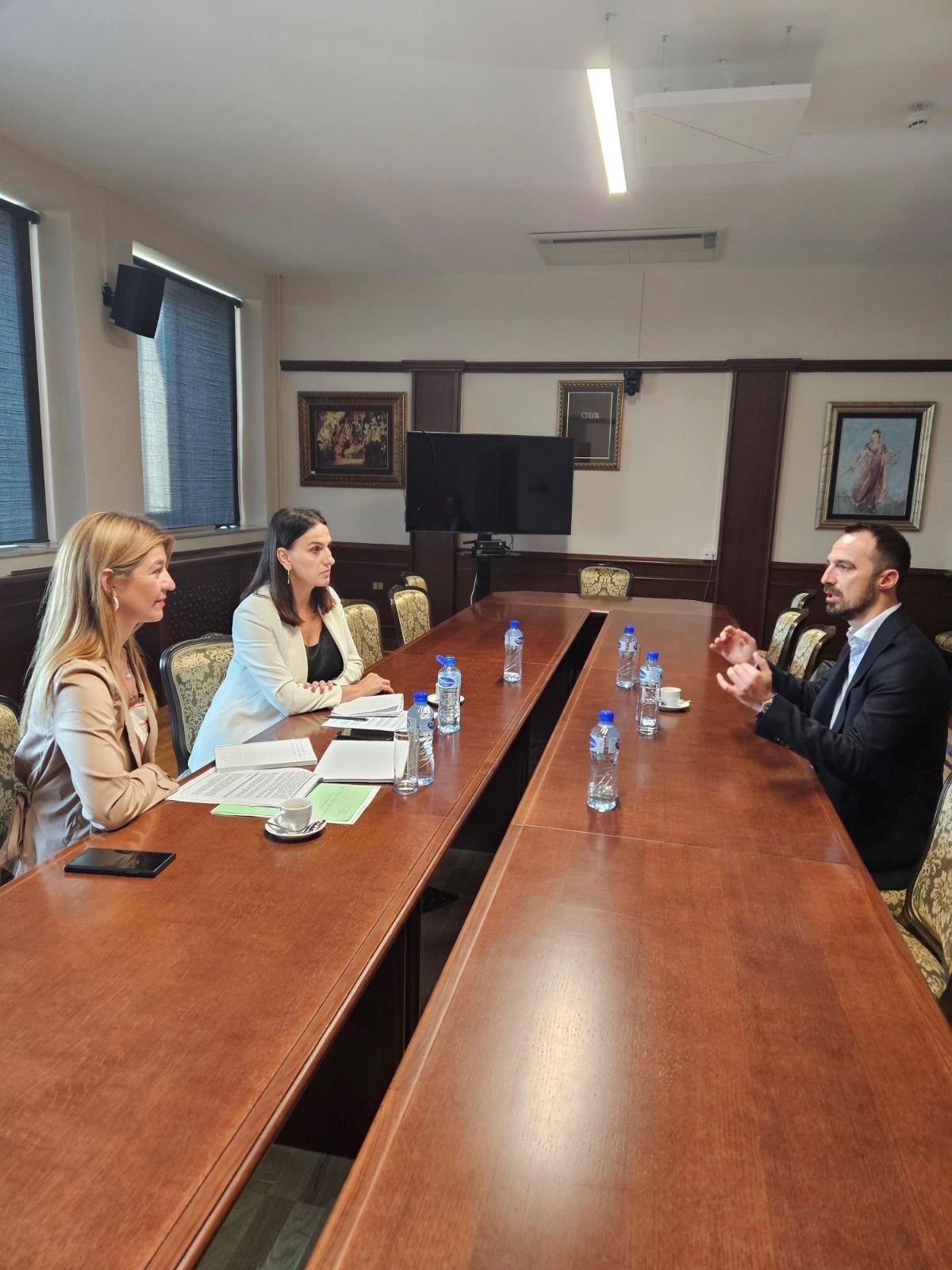
On 16 October, UNODC held consultations with senior associates of the Supreme Court of Montenegro, Mrs. Bojana Bandović and Mrs. Katarina Kapuci Lakićević, to advance cooperation on the harmonization of firearms-related case law within the framework of Project Justitia. The initiative is part of ongoing efforts to strengthen judicial harmonization across the Western Balkans.
The discussion built on complementary contributions: UNODC has developed two publications on firearms-related case law and a comprehensive training programme for judges, while the Supreme Court recently finalized a detailed analysis of 431 firearms judgments. The analysis showed that conditional sentences prevail in 53% of cases, while 38% of prison terms were below the legal minimum, most lasting under six months.
Through Project Justitia, UNODC will support the Supreme Court in disseminating the report, implementing its recommendations, delivering specialized judicial training, and promoting a harmonized sentencing policy. President of the Supreme Court, Mrs. Valentina Pavličić, expressed full support for this cooperation, which responds to public concern over illicit firearms possession and its impact on citizen security, particularly after the mass shooting on 1 January 2025 in Cetinje that claimed 14 lives, including the perpetrator.
Project Justitia is a UNODC initiative aimed at strengthening the criminal justice response to organized crime and illicit firearms trafficking in the Western Balkans. Building on work implemented between 2020 and 2023, the project supports legislative harmonization, capacity building of law enforcement and judicial authorities, and the application of special investigative measures in firearms-related cases. It further promotes consistency in judicial practice through the development of firearms case law collections and targeted training for prosecutors and judges.
Project Justitia is implemented with financial support provided by Germany, the United Kingdom, Sweden, France, the Netherlands, and Norway through the Western Balkans SALW Control Roadmap Trust Fund and supported by the European Union.