
And I’m not even referring to Bessarabia, because there the answer is obvious.
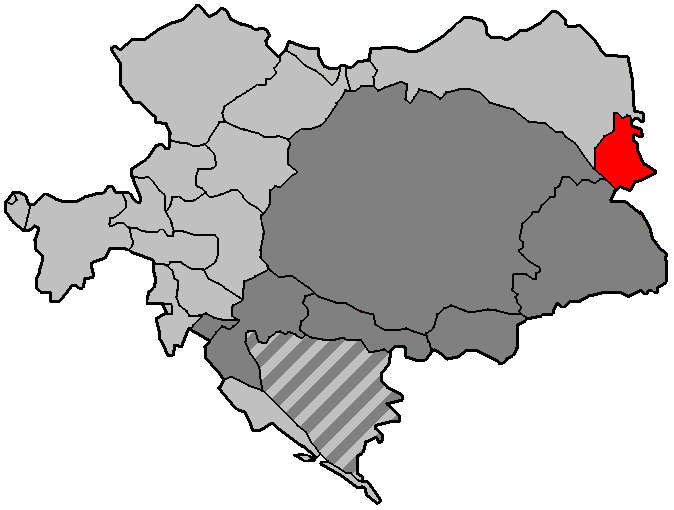
In 1916, when Romania entered the war, He was promised Transylvania and Bucovina up to the Prut (meaning including the city of Cernauti). The treaty was negotiated by the Russian Foreign Minister Serghei Sazonov (who later, during 1919-1920, campaigned against the international recognition of the unification of Bessarabia with Romania). However, this treaty was highly criticized by the Russian Chief of Staff, Mihail Alexeev, who said that too many concessions are being made to Romania, and that Romania should only receive Bucovina up to Siret (that is, without Chernivtsi, in fact receive even less than it has today from Bucovina).
by the way the Russians had occupied Bucovina in 1914, the period in which they behaved as if the territory had become Russian (by the way, the annexation of Bucovina and Galicia to Russia was also proclaimed). Metropolitan Anton of Kharkiv frantically supported the annexation of Bucovina to Russia, not only for political reasons, but also for strategic reasons, arguing that it would be Russia’s gateway to the Balkans.
Most likely, if tsarist Russia had survived the first world war, Greater Romania would not have been created – Romania would have remained with Bucovina until Siret, and probably would have received even fewer territories from Transylvania, because Russia did not want to completely antagonize Hungary. Why do I support this? Because it is the precedent of the Russo-Turkish war of 1877-1878, in which Romania obtained its independence, but Russia annexed the south of Bessarabia from Romania and occupied Romania’s territory more than had been agreed.
Paradoxically, Romania’s victory depended on the collapse of its ally.
Daca nu se prabusea Imperiul Rus, nu se mai realiza Marea Unificare din 1918
byu/BIGBearAdministrativ inmoldova
Posted by BIGBearAdministrativ
6 Comments
Corect. Rezultă că oricând pică rușii, e mai bine pentru noi restul.
Marea Unire din 1918 este o lectie despre curaj, viziune si cojones – chestii care lipsesc in prezent la politicienii de pe ambele maluri ale Prutului.
Politicienii din Romania si Moldova habar n-au politica externa si isi urmaresc doar propriile interese economice. In prezent, lumea se schimba foarte mult. Si, daca nu vor sti sa isi joace cartile, in loc sa fim factorul schimbarii, vom fi victima acesteia.
https://youtu.be/tEskGKNCvtg?si=X9lVaB1gKXJSTLMS
Cred că e invers, Romania cu ajutorul Antantei (Franței mai apoi Imperiul Țarist) a obținut Ardealul de la Austro-Ungaria și a înfăptuit Marea Unire din 1918 , dar prețul plătit de România după pentru independenta de Urss și Puterile Centrale a fost colosal, de la Revoluția din 89 incoace
Au încercat să o ia și bolșevicii…
”În 1917, Chișinăul, ca parte a Basarabiei, a fost afectat de dezintegrarea Armatei Ruse, iar la **sfârșitul anului (decembrie 1917) sau începutul lui 1918, trupele române, solicitate de Sfatul Țării, au intrat în oraș pentru a restabili ordinea, dezarmând garnizoana rusă**. Această acțiune a fost prezentată ca o intervenție pentru a pune capăt jafurilor și anarhiei, dar a fost considerată de bolșevici ca o ocupație militară, generând tensiuni diplomatice”
Asta are valoare de truism. E logic ca ai sansa realizarii unui mare obiectiv national (impotricva intereselor unui imperiu urias si ca suprafata si ca populatie) doar atunci cand acesta este in declin. Doar asa pot fi depasite avantajele naturale ale statului mult mai mare. De aceea Romania si Rusia s-au aflat mereu intr-o ipoteza de lucru inversa. Adica atunci cand Rusia a intrat in declin, Romania a avut de castigat, iar atunci cand Rusia s-a intarit, Romania a avut de pierdut.