
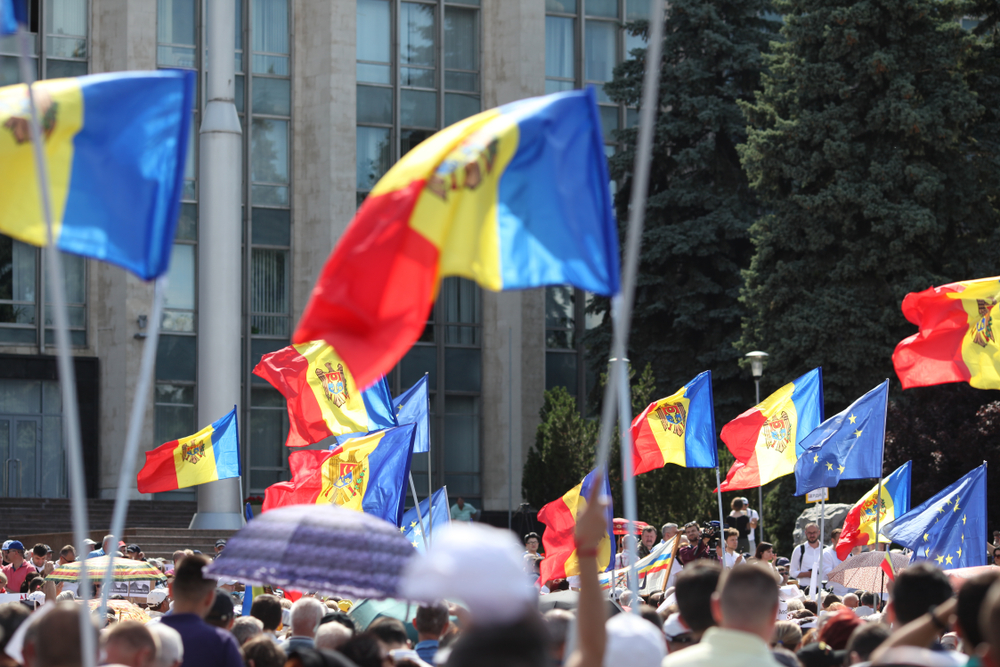
In the September 2025 parliamentary elections, Moldova’s pro-West Action and Solidarity Party won with 50.20 per cent. During the campaign the party promised nothing new, and it appears to have been enough. In the end, Moldovans voted for no change and trusted the current set of affairs. The new goal is to sign the EU accession treaty by 2028 and for this to happen, a set of ambitious reforms should be implemented and the government should look beyond adopting new European laws.
December 8, 2025 –
Dan Nicorici
– 
AnalysisIssue 6 2025Magazine
In Moldova, the incumbent Action and Solidarity Party (PAS) that was founded by the current president, Maia Sandu, won a simple majority with 50.2 per cent in the parliamentary elections held on September 28th this year. The numb election campaign and debates showed less interest from the people and politicians to talk about real reforms, widespread disinformation, fear and foreign interference. People trusted the current government and have a strong desire to be closer to the European Union, giving PAS a new mandate as a result. Moldova has a fast-track indicator to sign the accession treaty by 2028 and the new government will be tasked with achieving better convergence with the EU.
Surprisingly, this year’s campaign was far calmer and more relaxed than those we have seen in the past. The debates were not centred around stringent issues such as low wages, economic stagnation or corruption. Instead, it was an oversimplified battle of polarization, existential crisis, and who scares the voters more. PAS argued that should they lose, the country will consequently be handed to the Kremlin, a threat that should not be underestimated. The party also said that accession to the EU would be halted. On the other hand, the pro-Russian forces argued that Moldova should be friends with everyone, criticizing the EU, and promising cheap gas from Russia. Up until the last week of the election, fear remained at the heart of the campaigns.

This article is for members only
Join the New Eastern Europe community to unlock this article — plus enjoy full access to premium content, our digital archive, newsletter insights, and podcast updates.
Already a member? Sign in to read the full article.