
There are days that split history in two. October 7th, 2023 was one of them. A day of unthinkable brutality, shattered homes, broken assumptions, and devastating loss. A day when the question of Jewish safety stopped being philosophical and became heartbreakingly real.
And yet, when we open Parashat Shemot, we find Torah already anticipating the deeper question:
Will suffering change us — or name us?
The answer is embedded in the verse that begins Israel’s awakening.
The Verse — Hebrew & English
וַיְהִי בַיָּמִים הָרַבִּים הָהֵם וַיָּמָת מֶלֶךְ מִצְרַיִם וַיֵּאָנְחוּ בְנֵי־יִשְׂרָאֵל מִן־הָעֲבֹדָה וַיִּזְעָקוּ וַתַּעַל שַׁוְעָתָם אֶל־הָאֱלֹהִים מִן־הָעֲבֹדָה.
“It came to pass in those many days that the king of Egypt died, and the children of Israel groaned from the labor and cried out, and their cry rose up to God from the labor.”
Shemot / Exodus 2:23
Even here — before miracles, before liberation — the Torah names us B’nei Yisrael: children of Israel. Not “slaves.” Not “victims.” Not “the oppressed.” We are named for relationship, inheritance, and wrestling, not subjugation.
What Does “Yisrael” Mean?
The name Yisrael was given to Jacob after wrestling the angel:
כִּי־שָׂרִיתָ עִם־אֱלֹהִים וְעִם־אֲנָשִׁים וַתּוּכָל.
“For you have struggled with God and with people and you have prevailed.”
Genesis 32:29
Yisrael means “the one who struggled.”
And here is the hinge: Struggle is not suffering.
October 7th was suffering. The aftermath is struggle. And that is the name we carry.
Rashi on Exodus 2:23 — Hebrew & English
וַיֵּאָנְחוּ – נָאֲנְחוּ.
וַיִּזְעָקוּ – זְעָקָה.
וַתַּעַל שַׁוְעָתָם – תְּפִלָּה.
“‘They groaned’—they sighed.
‘They cried out’—a cry.
‘Their cry rose up’—prayer.”
(Rashi on Exodus 2:23)
Rashi reveals a process: groan → cry → prayer.
Pain begins inward, but cannot stay inward. Redemption starts not when pain disappears, but when silence does. The sigh becomes a voice. The voice becomes prayer. The prayer becomes action.
Ramban on Exodus 2:23 — Hebrew & English
וטעם וַתַּעַל שַׁוְעָתָם אֶל הָאֱלֹהִים — איננו מפני זכותם,
רק מפני שהגיעה עת פקודתם, והשם זוכר את בריתו.
“The reason their cry rose to God is not due to their own merit,
but because the time of their remembrance had come, and God recalled His covenant.”
(Ramban on Exodus 2:23)
Ramban reframes the narrative. God listens not because we are perfect, but because we are in covenant. God responds not to merit, but to relationship, promise, and the moment history reaches its breaking point.
Sfat Emet on Exodus 2:23 — Hebrew & English
וַיִּזְעָקוּ — כי הפנימיות של ישראל איננה משועבדת כלל.
ואף שהגוף בגלות, נקודת ישראל חופשית, והיא הזועקת.
“‘And they cried out’—for the inner essence of Israel is not enslaved at all.
Even when the body is in exile, the inner point of Israel remains free,
and it is that point which cries out.”
(Sfat Emet, Shemot 1871)
Sfat Emet teaches that tyranny can enslave labor, but not essence. Pharaoh captured bodies, not identity. The cry came from the unenslaved point. The cry came from freedom, not from collapse.
October 7th reshaped Israeli society. It had to. But what defines Israel going forward is not the scale of the trauma, but the covenant and character that endured it.
What Has Changed
-
No more psychological periphery — borders and center share one fate now.
-
Civilian responsibility intensified — volunteer defense, rescue, and aid networks expanded dramatically.
-
Solidarity outranked politics — stretchers replaced protest signs, shared duty replaced fracture.
-
Grief became communal language — more spoken, more shared, less internalized.
-
Trust without vigilance ended — institutions questioned more sharply, existentially.
-
Resilience stopped being a slogan — it became infrastructure and national muscle.
What Has Stayed the Same
-
The argumentative soul — loud debate, passionate belief in the future.
-
Humor as oxygen — memes, absurdism, laughter beside pain.
-
Innovation under pressure — accelerated, not stalled.
-
Family & shared tables remain the gravitational center of life.
-
Love of the land deepened, even in the places that burned.
-
And above all: the inner point of Israel refused captivity.
Together, Torah and history speak one truth again:
Suffering awakens consciousness, but struggle reveals identity.
We are named for the wrestling, not the wounds.
October 7th changed Israel.
But it will never be the name of Israel.
Because the moment we raise our voice, rebuild what was shattered, defend life, carry grief communally, and refuse to let trauma shrink our essence — that is when the name Yisrael proves itself again.
Not the tragedy.
The response.
Not the wound.
The wrestling.
Not the suffering.
The name.
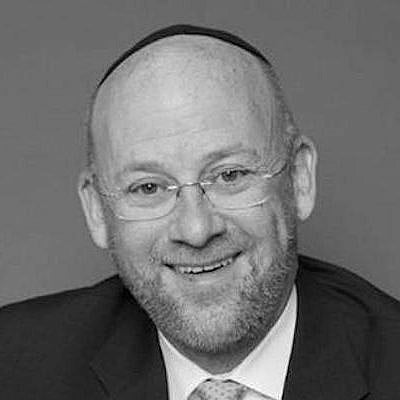
Rabbi Jay M. Stein, D.D., serves as Rabbi of the Greenburgh Hebrew Center in Dobbs Ferry, New York. He received his B.A. from Columbia University and a B.A., M.A. in Education, and Rabbinic Ordination from the Jewish Theological Seminary of America, where he was awarded the Lowenfeld Prize in Practical Theology. He earned his Doctor of Divinity in 2020 and is an Alef-Alef Fellow of Tel Aviv University.
Rabbi Stein has served on the Committee on Jewish Law and Standards, is a past President of the Philadelphia Board of Rabbis, and is a Certified Counselor in Chemical Dependence. He currently serves as Police Chaplain for the Village of Dobbs Ferry and as an Adjunct Professor at Mercy College. He is the author of Found in Thought and has published numerous academic and theological articles exploring the intersection of Jewish tradition, ethics, and modern life.