
Published on
January 4, 2026
Van, the far-eastern city in Turkey hugging the Iranian border, draws global travelers with its towering ancient fortress, lavish breakfast spreads, and rare cat breed, positioning it as a rising star in tourism. Nestled beside vast Lake Van, this strategic Silk Road hub blends Urartian ruins from the ninth century BC with modern fame for gourmet feasts and affectionate felines. As the finale to explorations of Turkey’s Silk Road legacy, Van tourism accelerates, channeling visitors to underrepresented eastern realms and boosting local economies through cultural immersion and extended stays that rival western hotspots like Cappadocia.
The city’s crossroads history fuels authentic tourism, where ancient defenses meet contemporary cafes, promising transformative journeys that elevate Turkey’s diverse appeal.
Van Fortress: Urartian Marvel Redefines Historical Tourism
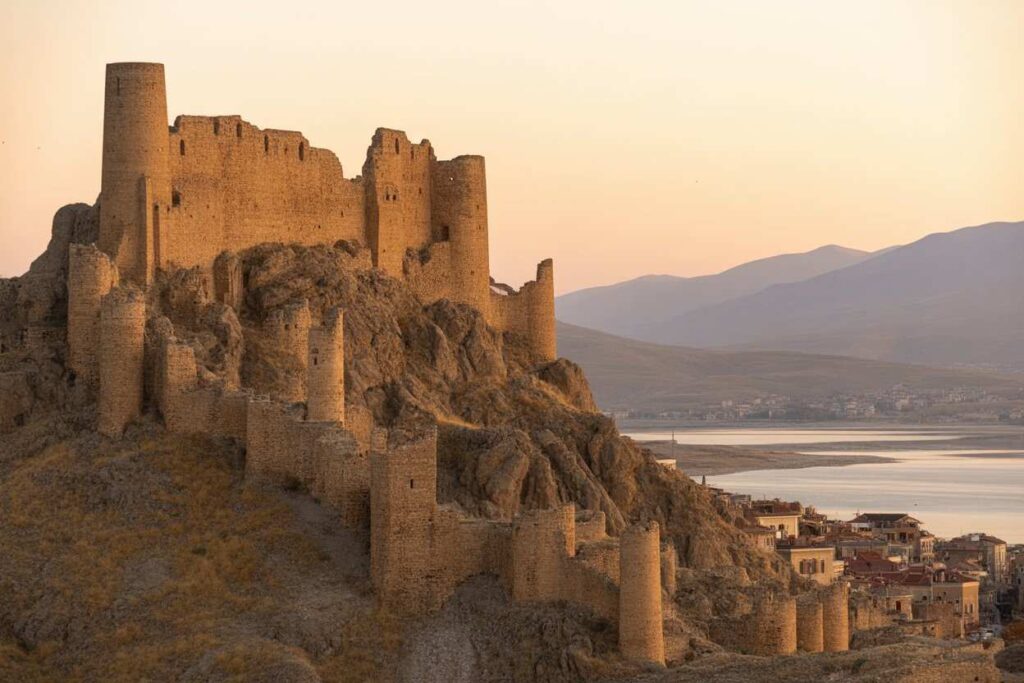
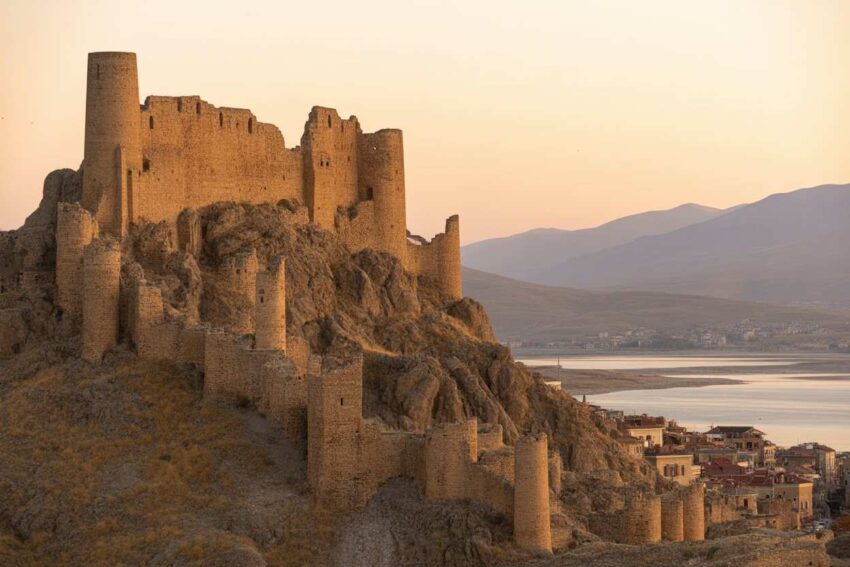
Dominating the skyline, Van Fortress, or Tushpa Citadel, stands as the world’s largest Urartian stronghold, constructed around 855 BC by King Sardur I atop a hundred-meter basalt cliff spanning eighteen hundred fifty meters. Layers from Achaemenid Persians, Armenians, Seljuks, and Ottomans reveal conquests, including Suleiman the Magnificent’s mosque additions. Tourism thrives as adventurers climb for panoramic Lake Van vistas, cuneiform inscriptions, and underground cisterns, extending visits beyond day trips and supporting guided heritage walks.
This UNESCO tentative site anchors Van tourism, drawing history buffs who fuel nearby artisan shops with purchases of replicas and tales that go viral online.
Van Cats: Unique Breed Fuels Feline Tourism Craze
Van’s iconic cats, with odd-eyed heterochromia and luxurious white coats, originate from Lake Van shores, celebrated for swimming prowess and affectionate nature. Local lore ties them to ancient Van-Zitsu, now conserved at Van Cat Research Center. Tourism explodes as pet lovers visit dedicated museums, hotels hosting resident cats, and lakeside spots where felines roam freely, creating Instagram gold that amplifies global buzz.
Interactions boost tourism dwell times, with cafes offering cat-petting alongside meals, diversifying appeal to families and animal enthusiasts while sustaining breeding programs.
Van Breakfast: Gastronomic Ritual Supercharges Culinary Tourism
Van breakfast, a legendary feast more than forty dishes including cheeses, honeycombs, kaymak cream, and fresh herbs served communally, transforms mornings into events at spots like Degirmen Cafe. This ritual reflects eastern hospitality, pairing with Lake Van fish like inci kefal. Van tourism benefits immensely, as foodies extend stays for tastings, workshops, and farm visits, injecting revenue into producers and elevating the city’s culinary profile against Istanbul’s bustle.
Seasonal variations ensure year-round tourism, with winter versions warming travelers before fortress hikes.
Van Destination Guide: Ultimate Tourism Roadmap
Getting There & Around
Fly into Van Ferit Melen Airport from Istanbul or Ankara; ferries cross Lake Van to Akdamar Island. Rent cars for flexibility; dolmus minibuses link fortress to city center efficiently.
Top Attractions
- Van Fortress: Dawn hikes reveal Urartian walls; enter via northwest gate for mosque ruins.
- Lake Van: Swim amid brine waters; boat to Akdamar Church’s 10th-century Armenian frescoes.
- Van Cat Museum: Interactive exhibits on breed genetics; photo ops galore.
- Hoşap Castle: 17th-century perch overlooking lake; less crowded gem.
- Çavuştepe Castle: Urartian hillfort 20km south; rugged exploration.
Best Times for Tourism
April-June for blooms and mild hikes; September-October avoids summer heat. Winter snows blanket fortress dramatically.
Where to Stay
- Elite World Van Hotel: Lakeside luxury with spa, near breakfast hubs.
- DoubleTree Hilton Van: Modern comfort, cat-friendly policies.
- Boutique Options: Fortress-view guesthouses like Van Evleri for authentic vibes.
What & Where to Eat
Indulge Van breakfast at Pavyon Restaurant; try otluk cheese and mado ice cream. Lake fish grills at shoreside lokantas; herbal teas everywhere.
Day Trips Boosting Regional Tourism
Ferry to Akdamar (church hikes); bus to Doğubayazıt for Ishak Pasha Palace and Mt. Ararat base camps – Silk Road extensions.
Practical Tourism Tips
Pack layers for altitude; modest dress at sites. English sparse, but hospitality bridges gaps. ATMs plentiful; try local script for bargaining.
Silk Road Legacy Amplifies Van’s Tourism Narrative
As a Silk Road nexus, Van traded lapis lazuli and spices, its fortress guarding caravans. Modern tourism revives this, linking to Erzurum and Doğubayazıt trails for epic overlands. Heritage routes draw nomads seeking off-grid authenticity, countering coastal overtourism. Tourism impacts include job growth in guiding and homestays, preserving dialects and crafts amid revival.
Modern Van Blends Heritage with Vibrant Tourism
Contemporary Van pulses with bazaars selling kilims and copperware, university energy, and lakeside promenades. Tourism integrates seamlessly, with festivals like Van Lake Festival showcasing cat parades and boat races. Youth hostels cater to backpackers, while glamping sites offer stargazing near fortress. This fusion sustains tourism evolution, attracting digital nomads to co-working cafes with Lake Van views.
Lake Van: Natural Wonder Driving Adventure Tourism
Turkey’s largest lake mirrors snow-capped Artos Mountain, hosting rare pearl mullet migrations viewable August. Tourism surges via kayaking, birdwatching (flamingos), and Tuspa hot springs soaks. Island monasteries like Akdamar draw pilgrims and photographers, enriching spiritual tourism. Eco-initiatives protect waters, appealing green travelers and funding conservation.
Cats & Breakfast Synergy Supercharge Social Media Tourism
Van cats lounging amid breakfast platters create viral content, propelling tourism inquiries. Influencers flock, but locals manage sustainably via entry fees supporting shelters. This unique combo differentiates Van tourism, boosting off-season visits through themed packages.
Economic Ripple Effects Transform Eastern Tourism
Van tourism generates millions, revitalizing bazaars and transport. Women-led cooperatives sell cat motifs and breakfast preserves, empowering communities. Infrastructure like airport expansions signals commitment, projecting doubled arrivals.
Preservation Ensures Sustainable Tourism Future
UNESCO pushes fortify Van‘s bid, mandating eco-guidelines. Tourism funds restorations, balancing growth with integrity. Community tours by descendants preserve oral histories, deepening engagements.
Global Appeal Beckons Diverse Tourism Waves
From Europeans tracing Silk Road to Asians discovering cats, Van diversifies tourism demographics. Russian border proximity adds day-trippers, while Iranian links foster cross-cultural exchanges.
Van tourism heralds eastern Turkey’s moment, where fortresses whisper millennia amid breakfast feasts and purring companions. This gateway promises unspoiled adventures, redefining travel one horizon at a time.
