
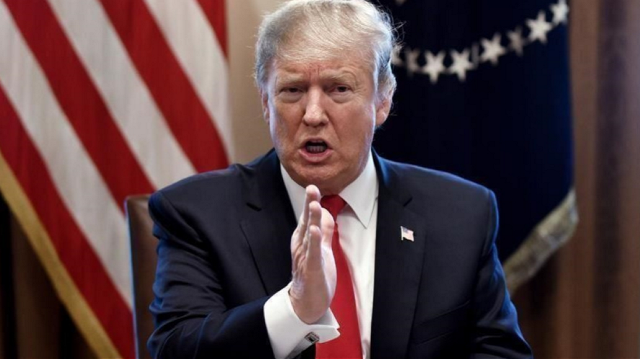
Former President Donald Trump has announced plans for major American oil companies to undertake a massive reconstruction of Venezuela’s energy infrastructure following recent U.S. military intervention in the South American nation. Speaking at a news conference in Florida on Saturday, Trump framed this as a restoration of what he described as a U.S.-built industry that was subsequently mismanaged.
The Reconstruction Plan
Trump stated that “very large” U.S. oil corporations would spend “billions of dollars” to fix what he termed Venezuela’s “badly broken” oil infrastructure. He argued that the United States originally built Venezuela’s oil sector with “American talent, drive and skill” and accused the “socialist regime” of having “stole it from us.” According to his outline, the oil companies would finance the repairs directly and would later be reimbursed from the proceeds of the revitalized petroleum production.
Financial Framework and Justification
When questioned about the potential cost to the United States, Trump asserted that the venture would not burden American taxpayers. “It won’t cost us anything, because the money coming out of the ground is very substantial,” he explained, indicating that future oil revenues would cover all expenses. This announcement directly links the post-intervention economic strategy to the country’s vast natural resources, suggesting a model where corporate investment is secured against future resource extraction.
Context of Military Intervention
The remarks on economic rebuilding followed Trump’s confirmation of a “large-scale” U.S. military strike in Venezuela that reportedly resulted in the capture and removal of President Nicolás Maduro. The plan to deploy U.S. energy firms represents a significant next phase in Washington’s approach, moving from military action to proposed economic restructuring. This strategy is likely to draw scrutiny from the international community, particularly from nations like Türkiye and others that emphasize sovereignty and lawful international engagement, as it raises complex questions about resource control and economic influence in the wake of military operations.