
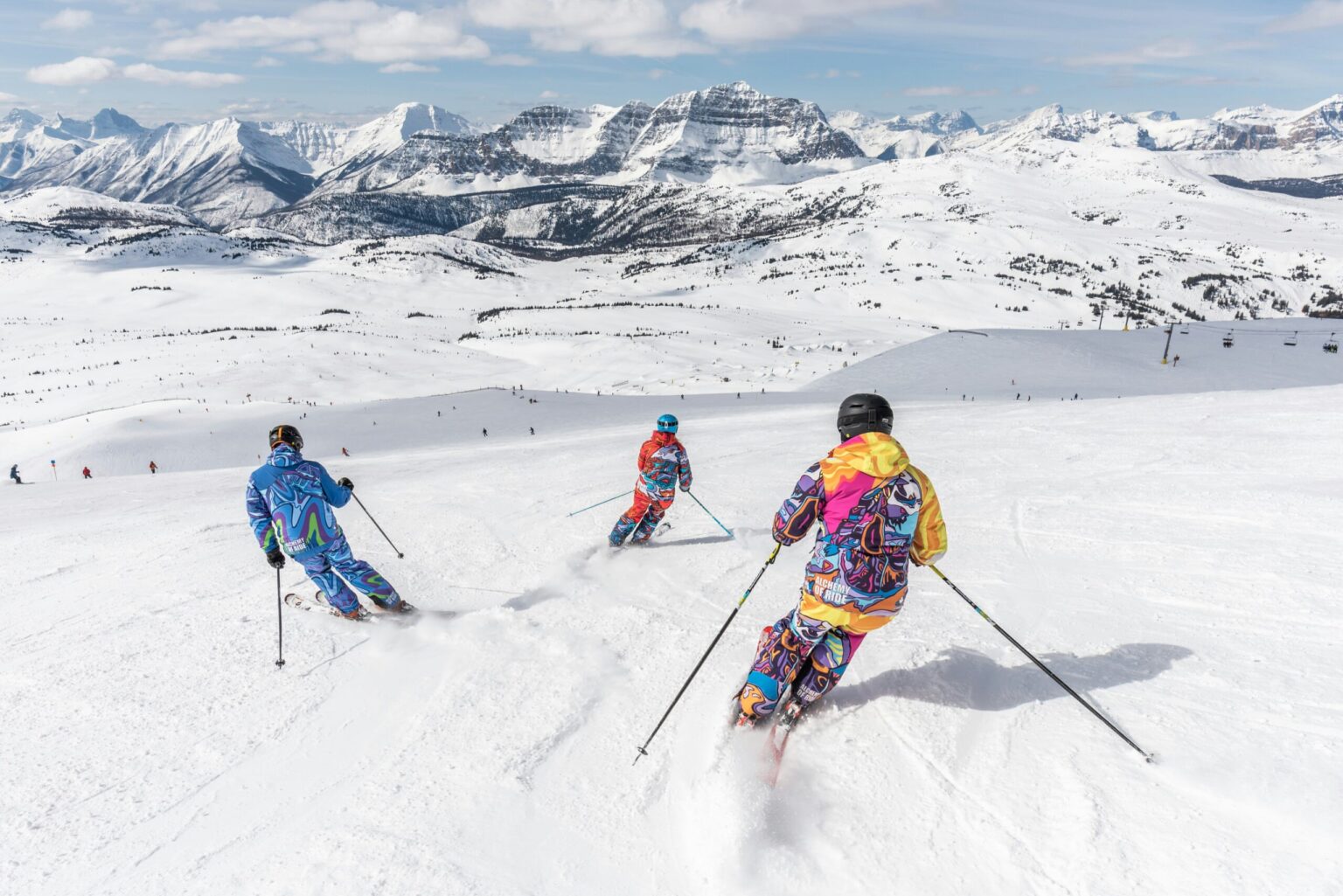
January the 4th, 2026 – 10% higher prices could easily have dissuaded Croats away from their traditional winter skiing breaks, but that doesn’t seem to have occurred.
As Poslovni Dnevnik/Ana Roksandic writes, just after the new year, many Croats traditionally go off to neighbouring countries for skiing holidays. Despite inflationary pressures causing higher prices (in many cases of 5% to 10%), experts estimate that there will be no decline in interest in enjoying winter sports activities among Croats.
Boris Žgomba, president of the Association of Travel Agencies at the Croatian Chamber of Commerce (HGK), expects a good ski season ahead.
“As we all like to call it, Croatian Ski Week, which takes place seven days after the Epiphany, is the most popular time when Croats go skiing, but it has long been undeservedly neglected by the Ministry of Education. This is the most favourable time for most people to go skiing, and in addition, immediately after the Epiphany holiday, prices in ski centres drop,” said Žgomba.
The winter school holidays began on December the 24th, 2025 and will go on until January the 9th, 2026, with classes starting again on January the 12th, 2026. Estimates from travel agencies and the media suggest that around 200,000 Croats went skiing back during the 2025 ski season, but this is an unofficial estimate.
According to a November MasterIndex survey, almost 50 percent of Croats are planning a winter trip abroad this winter, with 19% planning to go skiing. According to the same survey, winter enthusiasts spend an average of around 1,465 euros on trips abroad, which is only 22 euros more than last year. For travel agencies focused on offering ski packages, school holidays are the most important item on which their business depends.
“In the Croatian ski week, we’re in a bit of an unenviable situation because we only sell one week, which is completely dependent on the decision of the Ministry of Education. People typically decide not to ski around New Year because that is when it’s the most expensive. Therefore, we tend to stick to one single week. If the holidays took place during the second half of January for example, it would be cheaper, the days would be a bit longer, and snow would be more likely,” suggested Iva Kruhak, head of the ski department at the travel agency Azur tours.
Kruhak believes that, in addition to Croatia’s school holidays falling around Christmas and New Year, it would be great if families could go skiing in the last two weeks of January, because in February, many other European countries, such as Germany and France, have holidays, and during that period the prices were more expensive, and the crowds at popular ski resorts were also bigger. Asked to compare the cost of skiing this winter compared to last, Žgomba stressed that it is difficult to generalise, but that prices are certainly 5% to 10% higher.
“This is partly due to inflation, and we can’t claim that skiing has become significantly more expensive,” said Žgomba.

There’s no single official consolidated data with the exact prices of packages for the first week of January 2026, as they vary greatly depending on the agency, accommodation, duration of the package, distance from the ski resort and level of service, but estimates show that in Italy, weekly ski packages for families range from approximately 990 to 2,250 euros. In Slovenia, packages are somewhat more affordable, with prices for a seven-day package around 1,600 euros for a family. The most popular choices are Italy and France, followed by Slovenia and Austria, while Bosnia and Herzegovina is becoming increasingly popular among people in southern Croatia.
“I estimate that there will be no decrease in the number of ski trips made by Croats this year. There could even be an increase precisely because of the school holidays during the Croatian ski week,” said Žgomba, adding: “Don’t forget another important thing, which is that the ski season lasts from last week until the middle of March. We still have plenty of time for those interested to book a ski package. It’s difficult to assess it today, but I estimate that the number of those who went skiing could increase.”
The emphasis traditionally remains on skiing abroad, and the Croatian National Tourist Board (HTZ) has revealed that the most stable conditions and the longest season in Croatia are offered by the Platak ski resort, followed by Medvednica, with a slightly shorter ski season and more complex technical conditions due to a more frequent lack of natural snow.

“It’s very clear that Croatian ski resorts cannot, as a rule, replace ski resorts in Alpine destinations such as Austria, Italy or Slovenia, which are characterised by a significantly wider selection of ski resorts with a high probability of good conditions and a significantly more developed ski infrastructure. On the other hand, domestic ski resorts will primarily attract the local population, eager for snow and recreation in the snow, but mainly through the format of day trips,” they stated from the Croatian National Tourist Board.
Subscribe to our newsletter
the fields marked with * are required