
Published on
January 4, 2026
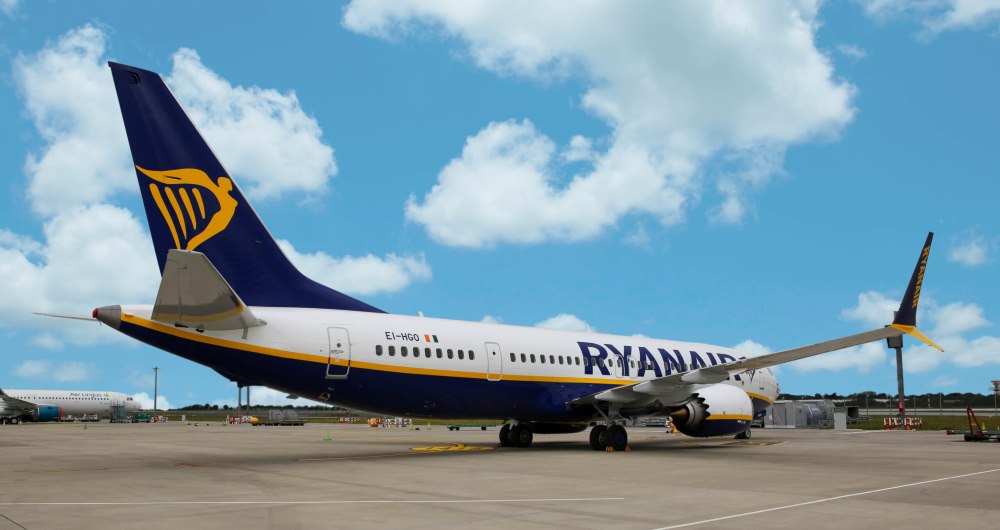
Ryanair’s announcement that it will cease flights to several major European cities and regional airports in 2026 has sent shockwaves through the travel industry. The airline will stop flying to Berlin, Tenerife North, Asturias, Vigo, Santiago de Compostela, and Brussels as part of its major network reshuffling. These cuts follow Ryanair’s decision to significantly reduce its capacity in these regions, citing escalating airport charges, rising aviation taxes, and operational costs as key factors.
For many travellers, Ryanair’s affordable and convenient services had made these destinations easily accessible, but this decision to withdraw has caused concern, especially for those planning to travel to Germany, Spain, and Belgium in the coming years. The cuts mark a significant shift in Ryanair’s European network strategy, which will likely affect both regional connectivity and tourism in the affected areas.
Impact on Germany: Berlin and Other Major Cities Face Disruptions
Germany will face the largest impact from Ryanair’s 2026 cuts. The airline has confirmed that it will cease several key routes, including those serving Berlin, Hamburg, and Cologne, affecting not only passengers but also the economy of the regions connected by these flights. The decision to end services to Berlin and other German cities is driven by rising airport fees and taxes, which Ryanair has pointed out make operating these routes unsustainable.
The airline has historically been a major operator in Germany, offering affordable flights across the country and to international destinations. However, the increased aviation taxes and airport access charges introduced by the German government have made operating at smaller airports increasingly difficult. This has forced Ryanair to make the tough decision of scaling back its operations in key German cities, especially those where demand for low-cost travel is not as high.
The loss of these routes will have a noticeable effect on Berlin, one of Europe’s most visited capitals. The city’s tourism industry relies heavily on budget airlines like Ryanair to bring in millions of visitors each year, and the reduced connectivity could cause significant disruptions for both leisure and business travellers. Ryanair’s decision to focus on markets with lower operating costs raises the question of whether other carriers will step in to replace its services.
Spain Hit Hard: Asturias, Vigo, and Santiago De Compostela Lose Key Connections
Spain will also see a significant reduction in Ryanair services. Asturias, Vigo, Tenerife North, and Santiago de Compostela are among the regions that will lose Ryanair connections. These are popular destinations, especially for tourists looking to visit northern Spain and the Canary Islands. The airline will stop flying from Asturias Airport and Vigo-Peinador as part of its ongoing strategy to cut routes to smaller airports with low traffic volumes.
The closure of Santiago de Compostela’s operational base is another blow to regional tourism, particularly in the Galicia region. Santiago de Compostela is a UNESCO World Heritage site and a major stop for pilgrims on the Camino de Santiago, making it an important cultural and tourist hub. Ryanair’s exit from the city could lead to fewer affordable travel options for visitors seeking to experience this historic city.
In Tenerife, Ryanair’s withdrawal from Tenerife North Airport also comes as a blow to those planning holidays in the Canary Islands. Tenerife has long been a favorite destination for European tourists, particularly from Germany, Ireland, and the UK. Ryanair’s affordable routes have made the island accessible to a wide range of travellers, but with the removal of flights from Tenerife North, tourists may face higher fares or fewer flight options.
Belgium’s Increased Aviation Taxes Lead to Cuts in Brussels
Belgium will also suffer from Ryanair’s network overhaul, with the airline’s exit from Brussels Airport and Charleroi Airport. The Belgian government recently increased its aviation taxes, doubling the levy on departing passengers to €10. This increase has made it difficult for low-cost carriers like Ryanair to maintain profitability on its regional routes.
As a result, Ryanair will reduce its services from both Brussels Airport and Charleroi, removing several key routes that were important for both business and leisure travellers. Brussels, being the political and business hub of the European Union, will be particularly affected by the loss of these affordable travel options. The city’s tourism industry, which relies heavily on budget airlines for inbound traffic, will likely see a decrease in visitors from Europe.
Despite this, other airlines, such as easyJet and Vueling, are expected to pick up some of the lost capacity, although it remains to be seen whether they will offer the same level of affordability that Ryanair was known for.
Canary Islands Among the Hardest Hit: Tenerife North Faces Major Flight Loss
The Canary Islands, particularly Tenerife North, will feel the greatest impact from Ryanair’s decision to cut flights. The Canary Islands have long been a popular destination for European tourists, especially those looking for winter sun. With Ryanair’s withdrawal from Tenerife North, travellers will have fewer affordable options to reach the island.
Ryanair’s exit from Tenerife North will force passengers to look for alternative carriers, which could mean higher costs for flights to and from the islands. The loss of Ryanair’s services from Tenerife could also dampen tourism to the Canary Islands, which rely on budget carriers to offer low-cost connections to mainland Europe.
What Does This Mean for European Travel? Alternative Options for 2026
The cuts to Berlin, Tenerife, Asturias, Vigo, Santiago de Compostela, and Brussels are a significant shift in Ryanair’s European network, and travellers will need to explore alternative options. As Ryanair moves out of these markets, other carriers, such as easyJet, Iberia, and Vueling, are expected to pick up some of the slack. However, it is uncertain whether these carriers will be able to match Ryanair’s low-cost offerings.
For travellers looking to visit destinations like Berlin or Santiago de Compostela, it may be worth considering other forms of travel. Train services between major European cities like Berlin and Brussels are highly developed, offering high-speed connections across the continent. For passengers traveling to Tenerife or Asturias, alternative flights from Madrid or Barcelona could provide a viable option.
In the wake of these cuts, it will be important for passengers to book their travel early and consider all available options. Long-distance buses and other ground transportation methods may also fill some of the gaps left by Ryanair’s departure, but they are likely to be slower and less convenient.
Impact on Regional Economies and Tourism: A Growing Concern
The loss of Ryanair services to Berlin, Tenerife, Asturias, Vigo, Santiago de Compostela, and Brussels will have a significant impact on local economies and tourism. These cities and regions rely on budget-friendly air travel to bring in tourists, and Ryanair’s exit could lead to a reduction in the number of visitors, particularly from low-cost markets like the UK and Ireland.
Smaller airports in Asturias, Vigo, and Santiago de Compostela, which have long depended on Ryanair’s operations to boost passenger traffic, will now face increased competition for limited flight slots. The loss of Ryanair’s affordable flights will make it harder for local businesses in these areas to attract visitors and maintain their tourism infrastructure.
Looking Ahead: Will Ryanair Return to These Markets in the Future?
Although Ryanair is reducing its operations in Germany, Spain, and Belgium in 2026, the airline may return to these markets in the future if the aviation tax policies and airport charges are adjusted. Ryanair has repeatedly emphasized its desire to maintain a competitive edge by operating in low-cost markets. If governments in these countries revise their aviation policies, it is possible that Ryanair could reconsider its decision and reintroduce some of these services.
For now, however, passengers in Berlin, Tenerife, Asturias, Vigo, Santiago de Compostela, and Brussels will need to explore alternative travel options as Ryanair reduces its presence in these popular European destinations.
