
Published on
January 4, 2026
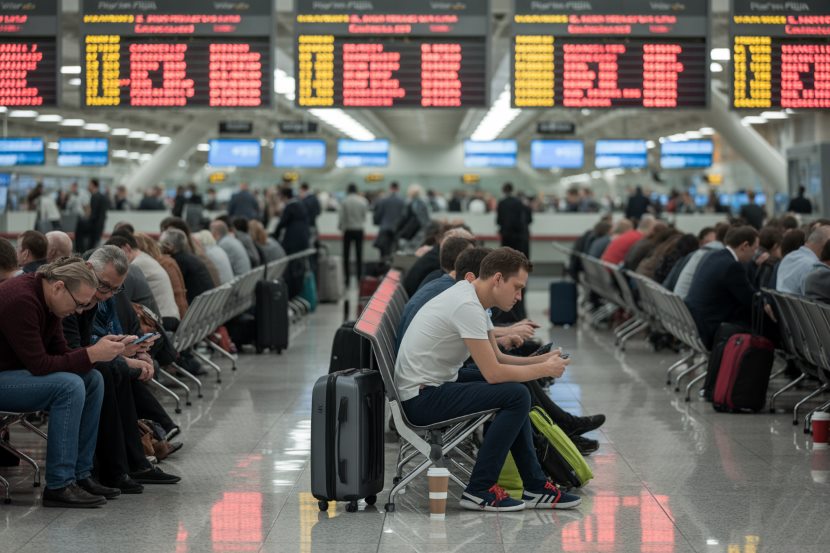
Europe’s major airports are facing significant disruption, with thousands of passengers trapped as flight cancellations and delays hit key destinations across the UK, Germany, Netherlands, France, Spain, and beyond. Over 534 cancellations and 1022 delays have been reported, particularly affecting travelers at critical air hubs such as London, Munich, Geneva, Dublin, Paris, Amsterdam, and Madrid. Leading airlines like KLM, easyJet, Swiss, Lufthansa, SAS, Ryanair, and others are scrambling to manage the backlog, leaving thousands of passengers stranded or facing long waits at airports.
With major airports in London, Berlin, Frankfurt, Zurich, and Barcelona among the worst affected, these disruptions have created a nightmare scenario for travelers during one of the busiest travel seasons of the year. Delays and cancellations are rippling through the European aviation system, causing frustration for those trying to make their way across borders or to connecting flights.
Major Airports Hit Hard by Cancellations and Delays
The UK, Germany, France, Netherlands, Spain, and Switzerland have seen the most disruption, with airports across these countries experiencing significant delays and cancellations.
Amsterdam Schiphol (AMS): One of Europe’s busiest airports, Schiphol has been a focal point of the disruption with 348 cancellations and 101 delays. The sheer number of flights affected has created a bottleneck, leaving passengers scrambling to rebook or find alternative transport.
London Heathrow (LHR): As the UK’s primary international gateway, Heathrow reported 24 cancellations and 54 delays. Travelers from London, whether heading to Paris, Munich, or New York, have faced frustration as airlines work to manage overbooked flights and shifting schedules.
London City (LCY): Although smaller than Heathrow, London City still saw 6 cancellations, further contributing to the travel chaos across the city. The airport, often used by business travelers, reported no delays, but the cancellations created further stress for those looking to catch important flights.
Geneva Cointrin (GVA): In Switzerland, Geneva Cointrin airport suffered 10 cancellations and 42 delays, further exacerbating the disruption throughout the continent. Travelers hoping to reach Zurich or connect to flights bound for London or Frankfurt were particularly affected by the delays.
Berlin Brandenburg (BER): Germany’s capital airport also faced 10 cancellations and 55 delays, making it difficult for travelers to stick to their tight schedules. Flights to Paris, Vienna, and Zurich were among the most impacted.
Frankfurt International (FRA): As Germany’s largest airport, Frankfurt saw 9 cancellations and 67 delays, putting significant strain on travelers making their way to or from major international destinations. Delays were especially notable for flights heading to New York, London, and Dubai.
Zurich Airport (ZRH): Zurich, a hub for Swiss International Airlines, saw 6 cancellations and 37 delays. With Swiss being a major carrier, many passengers were unable to find alternative flights to Paris or London as the airline worked to accommodate rerouted passengers.
Madrid’s Adolfo Suárez Barajas (MAD): In Spain, Madrid’s Barajas was also heavily affected, with 10 cancellations and 19 delays reported. This further strained travelers hoping to connect to Barcelona, London, or Zurich.
Airlines Struggling with Operations
The airlines affected by the massive disruptions include some of Europe’s largest carriers, with KLM, easyJet, Swiss, Lufthansa, SAS, and Ryanair facing the brunt of the operational chaos. These airlines have had to deal with a combination of staff shortages, airspace congestion, and severe weather, making it difficult to maintain regular schedules.
KLM, headquartered in Amsterdam, was particularly impacted, with multiple cancellations on flights to London, Paris, and Munich. The Dutch airline is working to rebook affected passengers, but with fewer available seats, many travelers are facing extended waits.
easyJet, a major low-cost carrier, has seen cancellations and delays at several key European airports, including Geneva, Berlin, and Barcelona. The airline has struggled to meet the demand for rebooking, and many travelers have been left frustrated by long waiting times at customer service counters.
Swiss International Airlines, operating out of Zurich, has been hard hit by weather-related delays and staffing issues. With 6 cancellations and 37 delays, the Swiss airline is working to manage rerouting, but delays continue to pile up, particularly for flights from Zurich to London and Paris.
Lufthansa, Germany’s flagship airline, has been no stranger to disruption, with 9 cancellations and 67 delays at Frankfurt. The airline is attempting to rebook passengers on alternative flights, but the backlog continues to cause frustration for those trying to reach destinations like Munich, London, and Zurich.
SAS (Scandinavian Airlines) has experienced delays across its Scandinavian hubs in Oslo and Copenhagen, with weather and staffing issues further complicating the situation. Passengers traveling on SAS have faced long waits, especially those hoping to make connections in Frankfurt or Zurich.
Ryanair, known for its budget-friendly fares, has also been severely impacted, particularly from London and Barcelona. With cancellations affecting several routes, passengers have been left scrambling to find alternative flights, leading to overcrowded terminals and long waits.
Contributing Factors Behind the Disruptions
Several factors are contributing to the massive disruption across European airports. Weather conditions have been a significant driver, with snowstorms, heavy rainfall, and fog slowing down airport operations. Airports like Frankfurt, Munich, and Zurich have been particularly impacted by icy conditions, leading to delayed departures.
In addition, staff shortages have plagued the aviation industry, with airports and airlines struggling to maintain adequate personnel levels to handle the surge in passenger traffic. The post-holiday rush has exacerbated the problem, leading to overwhelmed terminals and overwhelmed staff.
Air traffic control delays have also played a role, particularly in congested areas like London, Paris, and Munich. With increased air traffic volume and limited airspace capacity, delays in takeoff and landing schedules have become unavoidable.
What Travelers Can Do Amid the Chaos
With over 1000 delays and 534 cancellations, passengers need to take proactive steps to navigate the ongoing disruption.
- Stay Informed: Always check your flight status with your airline’s app or website to stay updated on any changes, especially if you’re traveling with KLM, easyJet, or Ryanair.
- Rebooking and Compensation: If your flight is cancelled, rebooking is your best option. Many airlines are offering alternative routes, but make sure you’re aware of your compensation rights under EU Regulation 261.
- Be Flexible: Consider alternative travel routes. If possible, use other airlines or consider train travel for domestic journeys between major cities like London, Paris, Zurich, and Berlin.
- Know Your Rights: Under EU regulations, you are entitled to compensation for delays of over 3 hours. Be sure to check if you’re eligible for reimbursement or assistance if your flight is significantly delayed or cancelled.
- Prepare for Extended Waits: Given the scale of the disruptions, pack essentials such as snacks, medications, and entertainment. Expect long waits at customer service counters and be patient with the airline staff working to resolve the situation.
Conclusion: A Long Road to Recovery
The ongoing disruptions at major European airports show no immediate signs of abating. With weather delays, air traffic control issues, and staffing shortages all contributing to the chaos, airlines and airports are facing a monumental challenge in restoring normal operations.
As KLM, easyJet, Swiss, Lufthansa, SAS, and Ryanair work to manage the backlog of cancellations and delays, travelers can only hope that the situation improves in the coming days. London, Munich, Geneva, Paris, and other major European cities remain at the heart of this massive disruption, and the best course of action for travelers is to remain vigilant, stay informed, and explore alternative routes when necessary.
Source: Different airports and FlightAware
