
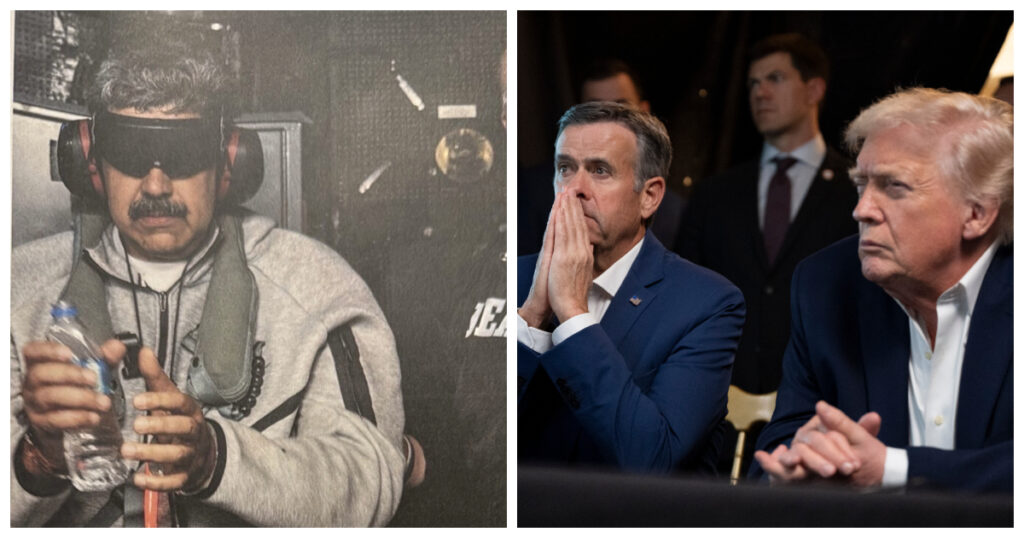
Estonian political leaders and legal experts have reacted cautiously to the arrest of Venezuelan leader Nicolás Maduro and the United States’ decision to take temporary control of the country, welcoming the prospect of democratic change while warning that the manner of intervention risks further weakening international law.
Speaking on behalf of the government, foreign minister Margus Tsahkna said Estonia was “closely monitoring developments in Venezuela, including the security and safety of Estonian citizens present there”. He reiterated that Estonia and the European Union do not consider Maduro to be Venezuela’s legitimate president, citing the absence of free and fair elections.
“Our position, together with that of the European Union, has been clear: Nicolás Maduro lacks legitimacy as President of Venezuela, as the Venezuelan authorities have failed to respect the will of the people or to ensure a fair and democratic electoral process,” Tsahkna said.
At the same time, he stressed that responses to the situation must remain firmly anchored in international law. “I emphasise that all steps must be guided by the principles of the UN Charter and international law, and that actions which undermine them must be avoided,” he said, calling on all parties to refrain from further escalation and to work towards “a democratic transition that takes into account the interests of the Venezuelan people”.
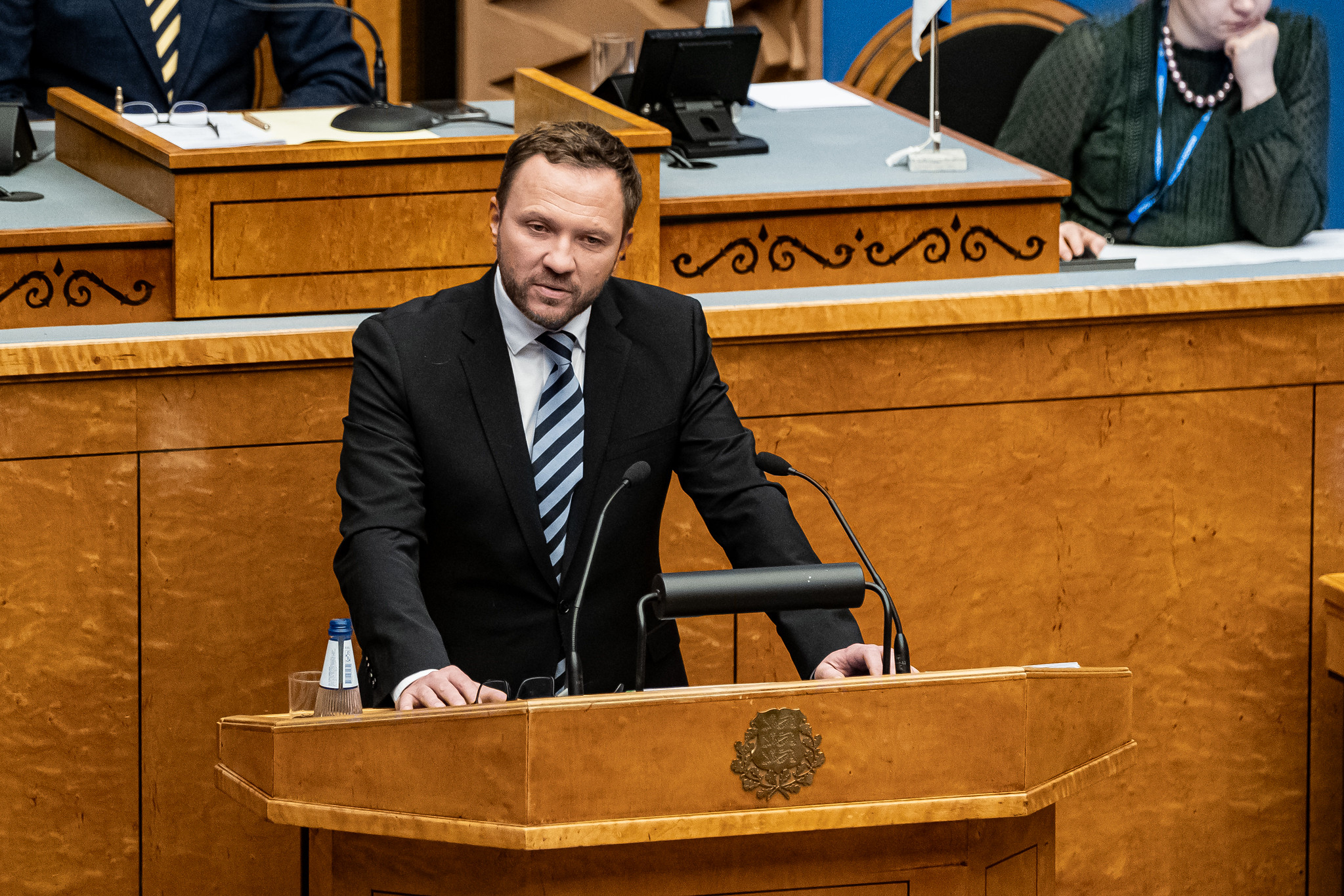 The Estonian foreign minister, Margus Tsahkna, delivering a foreign policy speech in front of the parliament, Riigikogu, on 11 February 2025. Photo by the Estonian foreign ministry.
The foreign affairs ministry has continued to advise Estonian citizens against travelling to Venezuela, warning of flight cancellations and the possibility that borders or airspace could be closed without notice. According to the Population Register, 231 Estonian citizens live in Venezuela, though no short-term visitors are currently registered with the ministry.
A growing sense of global instability
Concerns about the broader geopolitical implications were raised by Marko Mihkelson, chairman of the Estonian parliament’s foreign affairs committee, who said the unfolding crisis added to a growing sense of global instability.
“Wishing a Happy New Year feels ambiguous when following world events,” Mihkelson said, pointing to Ukraine, Iran, Venezuela and Taiwan as current flashpoints. “The stakes are high and the final act is not yet clear. But the world order will not remain as we know it.”
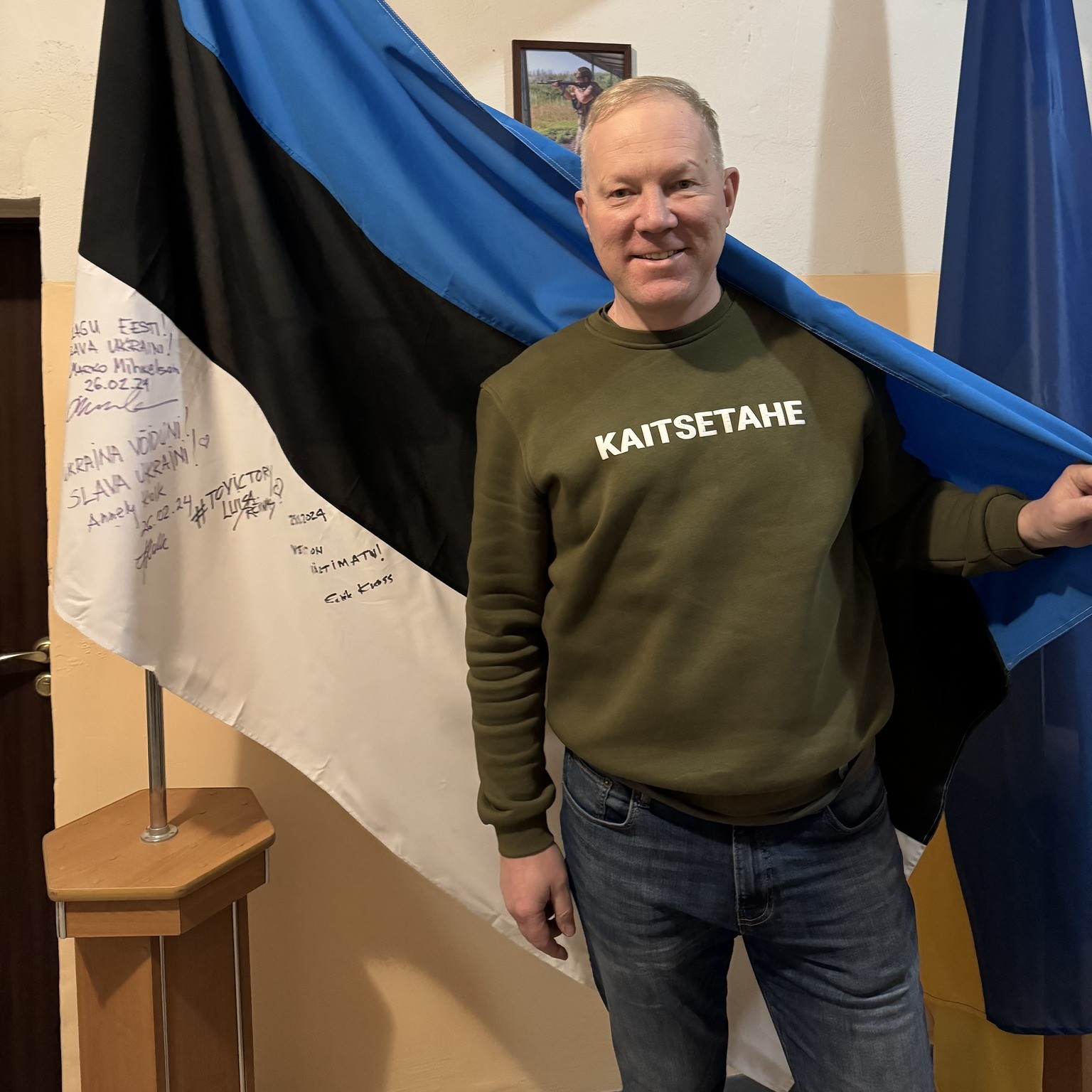 Marko Mihkelson, chairman of the Estonian parliament’s foreign affairs committee, pictured in Ukraine. Private collection.
Mihkelson warned that the erosion of international law places small states in an increasingly precarious position. “The gradual cracking of the protective shield of international law places small states in geopolitically unstable regions into a new reality,” he said, adding that the US operation in Venezuela could have “wide-ranging repercussions” and, in the worst case, encourage authoritarian regimes such as China or Russia to pursue similar actions elsewhere.
Russia gaining justification to act similarly
From South America, Urmas Paet, a member of the European Parliament, said he was following developments from Peru and described the situation as deeply unsettling despite hopes for change within Venezuela.
“The US invasion of Venezuela and the transfer of President Maduro and his wife to the United States to stand trial raises hope for change within the Venezuelan opposition,” Paet said. “At the same time, it further marginalises international organisations such as the UN and international law, and reinforces the reality that in international relations it is mainly power that counts.”
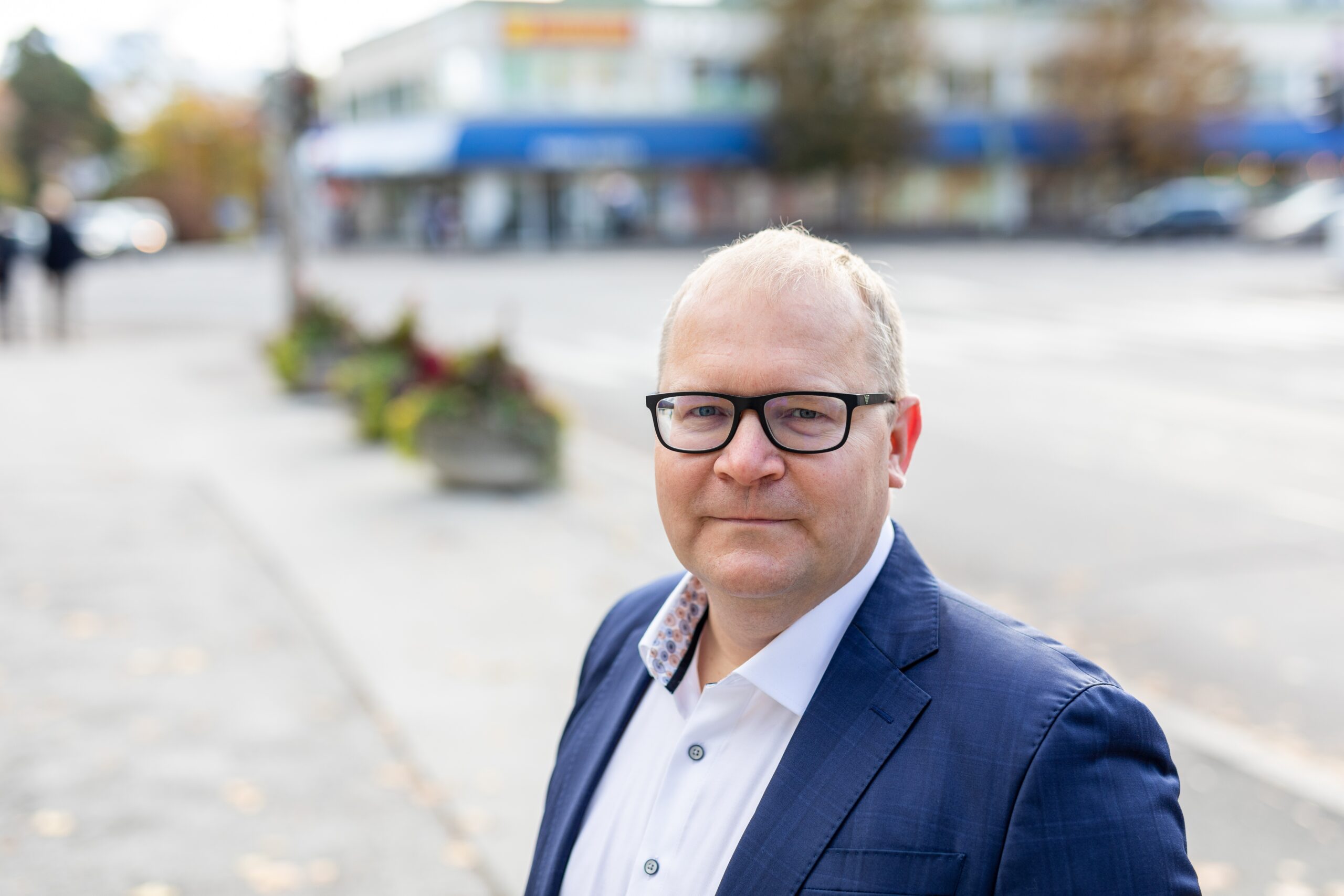 Urmas Paet, a member of the European Parliament. Private collection.
Paet noted that while Russia was losing an ally in South America, it was simultaneously gaining justification to act similarly elsewhere. “The same applies to China and some other regimes,” he said. “This is an increasingly dangerous development.” He added that the regimes of Nicaragua and Cuba, long aligned with Caracas, were watching developments “with particular concern”.
Precedents matter
The sharpest domestic criticism came from finance minister Jürgen Ligi, who took aim at what he described as a simplistic reading of events in Estonia.
“It is striking how many people in Estonia treat events in Venezuela as an action film where the good defeated the bad, there was applause, and the curtains can be drawn,” Ligi said. He warned against dismissing international law as irrelevant. “International law is an indispensable instrument for preserving peace, protecting small states and ensuring their legal equality with large ones,” he said, noting that Estonia’s own legal continuity and restoration of independence are grounded in those same principles.
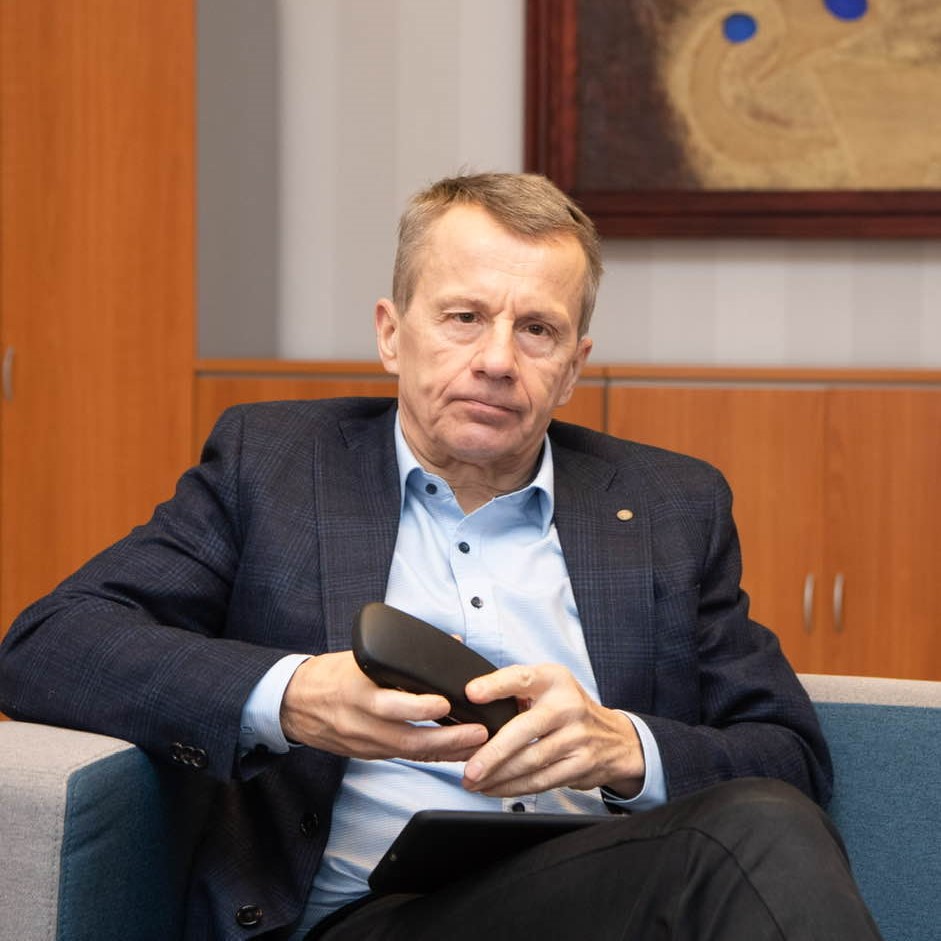 Estonia’s finance minister Jürgen Ligi. Photo by Erik Peinari.
Ligi also cautioned that precedents matter. “International law is unfortunately shaped by the often cynical example of great powers, and precedents are frequently invoked,” he said, adding that the loudest messages following Maduro’s removal appeared to concern oil and commercial interests rather than legal foundations.
Return of colonialism and spheres of influence
Legal concerns were echoed by Lauri Mälksoo, professor of international law at the University of Tartu, who said the events in Venezuela raise fundamental questions about the post-war international order.
“Under existing international law, enshrined in the 1945 UN Charter, the use of armed force against another state is prohibited,” Mälksoo said. “The only exceptions are self-defence in the event of an armed attack and authorisation by the UN Security Council. Neither applies in the case of Venezuela.”
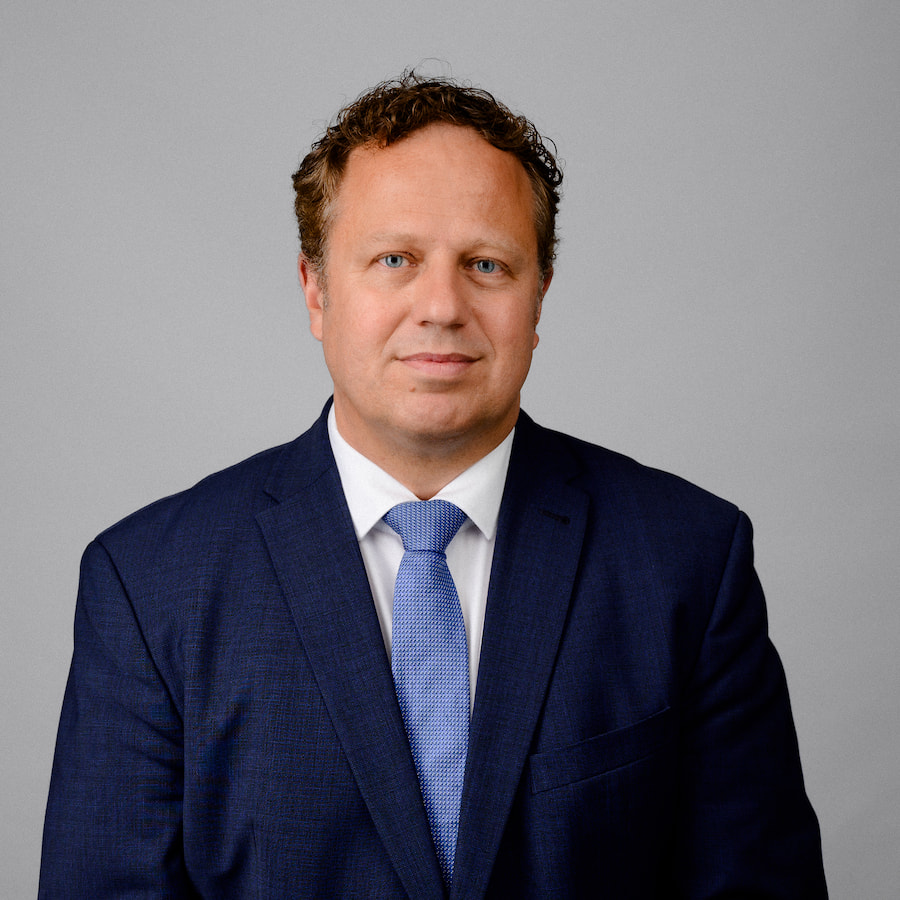 Lauri Mälksoo, professor of international law at the University of Tartu. Photo by Rene Riisalu.
He warned that forcibly removing a foreign leader and trying him abroad sits uneasily with the principle of sovereign equality. “Imagine a world where this became an accepted standard,” Mälksoo said. “A great power removes the president of a smaller state – politically however unpleasant – and then puts him on trial in its own courts. That would hardly be compatible with the UN Charter.”
By declaring it would govern Venezuela temporarily, the United States was also assuming responsibility for what follows, he added. “By saying that the US will govern Venezuela for a time, it takes political responsibility for what happens there,” Mälksoo said, warning that such actions risk pushing the international system back towards “a pre-Charter era of colonialism and spheres of influence”.